Author Affiliations
Abstract
Background: Chronic pain, lasting three or more months, affects the physical and emotional well-being of elderly patients, particularly those aged 60 and above. These patients face unique challenges due to polypharmacy, cognitive issues, and underreporting of pain. Nurse-led pain management programs can address these challenges by employing holistic, patient-centered approaches.
Aim: To assess the effectiveness of nurse-led interventions in managing chronic pain among elderly patients.
Methodology: This quantitative, cross-sectional study included 200 participants aged 60 and above with chronic pain, treated at Saidu Teaching Hospital, Pakistan. Data were collected using structured questionnaires and the numeric pain rating scale (NPRS) to assess pain severity before and after interventions. Interventions included pain education, non-pharmacological techniques, and pharmacological management. Data were analyzed using statistical package for the social sciences (SPSS) Version 26, employing descriptive and inferential statistics.
Results: The study revealed a significant reduction in pain severity post-intervention, with mild pain increasing from 10% to 40% and severe pain decreasing from 40% to 15%. Pain education was the most effective intervention (41%), followed by non-pharmacological techniques (32%) and pharmacological management (27%). Significant associations were found between demographic variables, intervention types, and pain outcomes.
Conclusion: Nurse-led pain management programs effectively reduce pain severity and enhance patient satisfaction and quality of life. Gender, age, and educational background significantly influence pain management outcomes, highlighting the need for tailored interventions.
Keywords
Chronic pain, Nurse-led interventions, Elderly patients, Pain education, Patient satisfaction, Holistic care.
Introduction
Pain qualifies as chronic when it sticks around for three months and hurts both your physical and emotional health.[1] When nurses take the lead in developing healthcare programs, they hold full management responsibility and oversee patient treatment.[2] Elderly patients aged 60 and above suffer more chronic pain because they experience natural body changes and tend to have multiple medical issues. Nurse-led pain management programs for seniors help improve healthcare results while allowing them to live better.[3]
About one-fourth to one-third of senior citizens worldwide experience chronic pain, which hurts their ability to function plus reduces their independence and mental well-being.[4] Elderly patients present unique pain management challenges because they take many medicines and show cognitive problems, plus may skip reporting their pain experiences.[5] Past pain management techniques do not work well to handle the multiple problems experienced by older adults.[6] Chronic pain care improvements show promise through nurses who use their complete care style and personalized methods to treat both medical and psychological pain aspects.[7]
Research shows that nurses who train patients about pain and teach alternative pain relief tactics help elderly adults feel less pain and perform better in daily activities.[8] Health programs guided by nurses include specific ways to check pain levels and train patients in lifestyle choices while supporting their emotional health. When nurses prioritize patients’ needs, they build trust with patients while making sure patients stick to their care plans, resulting in better satisfaction and better control of long-term health problems.[9]
Through their work with chronic pain patients, nurses help both patients receive better care and help make healthcare systems operate better. They save doctors’ time because nurses deliver advanced treatment and observe elderly patients who have constant pain.[10] These programs put emphasis on taking action before problems develop and start early to help people stay out of hospitals while saving money and helping the health system work better.[11]
Methodology
Quantitative cross sectional study design was used to understand how nurse leaders help older patients fight against chronic pain. Patients over 60 years of aged were included at Saidu Teaching Hospital in Pakistan who experienced chronic pain when participating in nurse-led pain treatment programs. Using World Health Organization’s (WHO’s) sample size calculator, the study design aimed at 200 participants with 95% certainty, plus or minus 5%. The research team chose purposive sampling to access elderly patients who received chronic pain treatment for three months, plus nurses experienced in pain care for at least one year. We eliminated participants who showed significant mental disability or refused to permit study involvement. The project aimed to show how nurses work with patients today and whether nurse-led programs help manage pain.
Data collection procedure: Data was obtained through a structured questionnaire and a pain assessment tool. The questionnaire was adopted, valid, and reliable, with items on demographic information, severity of pain, types of intervention that were used, patients’ compliance, and satisfaction with the programs led by the nurse specialists. The actual measurement of participants’ perceived pain was with the help of the NPRS, which was used to assess the intensity of pain before and after different interventions.
The data collection process was divided into two categories. The first method of data collection was interviewing elderly patients with the use of the developed questionnaire to get their experiences and perceptions towards the nurse-led interventions. Second, self-administered surveys were conducted with nurses who were leading the programs to identify their strategies, issues, and findings. Informed, written consent from all the participants was received before they could participate in the study. The data was gathered over three months in the belief that this duration would allow adequate coverage of the target population.
Data analysis: Data were analyzed using SPSS software (version 26). Descriptive statistics, such as means, standard deviations, and frequencies, were used to summarize demographic data and pain severity scores. Inferential statistics, including chi-square tests, were employed to identify significant associations between variables.
Results
Demographic characteristics: The majority of participants were females (60%), aged 60–69 (55%), with 45% having no formal education (Table 1).
| Variable | Frequency (n = 200) | Percentage (%) |
| Gender | ||
| Male | 80 | 40 |
| Female | 120 | 60 |
| Age group (years) | ||
| 60-69 | 110 | 55 |
| 70-79 | 65 | 32.5 |
| 80+ | 25 | 12.5 |
| Education Level | ||
| No formal education | 90 | 45 |
| Primary education | 60 | 30 |
| Secondary education | 40 | 20 |
| Higher education | 10 | 5 |
Table 1: Demographic characteristics of participants
The intervention effectively reduced pain severity, increasing mild pain cases from 10% to 40% and decreasing severe pain cases from 40% to 15% (Table 2).
| Pain severity (NPRS) | Before intervention | After intervention |
| Mild (1-3) | 20 (10%) | 80 (40%) |
| Moderate (4-6) | 100 (50%) | 90 (45%) |
| Severe (7-10) | 80 (40%) | 30 (15%) |
Table 2: Pain severity levels before and after interventions
Pain education is the most effective intervention (41%), followed by non-pharmacological techniques (32%) and pharmacological management (27%), reflecting varying patient satisfaction levels (Figure 1).
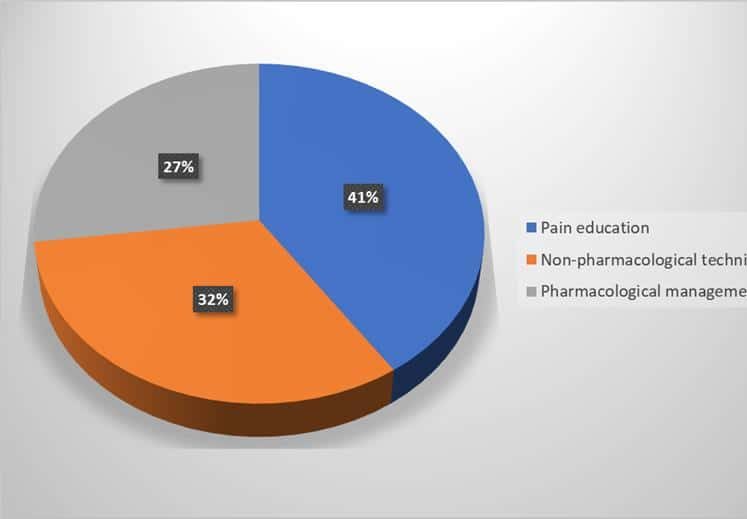
Figure 1: Types of interventions and patient satisfaction
The chi-square test results highlight significant associations between demographic and intervention variables with pain management outcomes (Table 3).
| Variables | Chi-Square Value | p-value | Association (Significant/Not significant) |
| Gender and pain severity | 8.52 | 0.014 | Significant |
| Age group and pain severity | 12.34 | 0.002 | Significant |
| Education level and adherence | 6.78 | 0.034 | Significant |
| Intervention type and outcome | 10.56 | 0.001 | Significant |
Table 3: Association between variables using chi-square test
Discussion
Consequently, the results of this research demonstrate that interventions by nurses remove the challenges related to chronic elderly pain, whereby the experimental group experienced a decrease in the overall severity levels of their pain. Low methods of pain intensity and patient satisfaction resulted from pain education, non-pharmacological methods, and pharmacological management, supporting the effectiveness of the nurse-led pain management program in the enhancement of patient-reported outcomes and quality of life.[12]
Gender differences that emerged strongly in this study, with the males reporting less pain severity, bear testimony to different general pain perception, where female patients are found to have greater pain severity and react differently to pain control measures than their male counterparts. This calls for gender sensitive pain management interventions in the management of chronic pain.[13]
Another factor that was discovered in the research is that age group predicted pain severity, where, again, the highest baseline pain was reported in the elderly. Age-autonomous alterations in physiological function, therefore, contribute to pain experience and response to interventions. Such findings clearly support the premise that the intervention strategy has to be customized according to the age bracket of the targeted individuals.[14]
Surprisingly, the relationship between the nurse’s experience and the patients’ experiences or outcomes was not observed in this study. This contrasts with the research, which has shown that a high professional level of nursing produces significantly better results in chronic pain therapy.[15] The differences may be attributed to the disparity in training and equipment utilized in different settings.[16]
The overall positive analysis of all the pain patients in this study reveals the impact of nurse-led approaches to managing the conditions that include chronic pain, encompassing its physical and psychological dimensions. Nursing-led initiatives promoting sustainable pain management are holistic.[17]
In conclusion, this work found nurse-led approaches to be scarce while addressing chronic pain in the elderly; it also stressed the necessity for future investigations into the sustained consequences of the therapy and improved intervention pathways.
Conclusion
Thus, this study focuses on the importance of nurse-driven approaches to handling chronic pain patients, especially the elderly. The findings also state that by empowering the nurses to be involved in the process of managing pain, this enabled the nurses to provide holistic patient-centered care for both physical and psychological pain. Through the process of evaluating an individual, developing appropriate strategies for treatment and support, it was shown that nurse-led interventions are useful to optimize patients’ pain relief, increase their quality of life, and decrease the state’s costs.
Recommendations: Based on the findings of this study, it concludes that chronic pain should be managed among elderly patients by laying emphasis on focused nurse education and training in the management of pain, development of nurse-managed pain clinics for individual patient care, and collaborative practice among the different specialties. Also, it recommends policy advocacy to provide the political backing needed for nurses to be endowed, for patient power by educating elderly patients, and exploring the sustainability of these measures and their impact. The applied strategies will help to enhance the effectiveness of health care provision and the quality of life in elderly patients with chronic pain consequences.
References
- Vaezipour A, Andrews N, Oviedo-Trespalacios O, et al. Exploring driving behaviour from the perspectives of individuals with chronic pain and health professionals. Appl Ergon. 2022;102:103755. doi:10.1016/j.apergo.2022.103755
PubMed | Crossref | Google Scholar - Lund T, Neville A, Jordan A, Carter B, Sumpton J, Noel M. Narrative Accounts of Youth and Their Mothers With Chronic Headache: Application of a Socio-narratology Framework to Pain Narratives. Clin J Pain. 2024;40(10):588-600. doi:10.1097/AJP.0000000000001238 PubMed | Crossref | Google Scholar
- Richards E. Thriving with chronic pain: A newly qualified Dramatherapist’s journey towards learning her body’s language. Dramatherapy. 2023;44(1):41-50. doi:10.1177/02630672231176684 Crossref | Google Scholar
- Zhou S, Gromala D, Wang L. Ethical Challenges of Virtual Reality Technology Interventions for the Vulnerabilities of Patients With Chronic Pain: Exploration of Technician Responsibility. J Med Internet Res. 2023;25:e49237. doi:10.2196/49237 PubMed | Crossref | Google Scholar
- Teaster PB, Ratliff K, Shealy EC, Iyengar V. Accomplishments and challenges of two north American countries to implement the recommendations of the Madrid international plan of action on ageing. In: The United Nations Madrid International Plan of Action on Ageing. Routledge India; 2022:180-195. Accomplishments and Challenges of Two North American Countries to Impl Google Scholar
- Reynolds CF 3rd, Jeste DV, Sachdev PS, Blazer DG. Mental health care for older adults: recent advances and new directions in clinical practice and research. World Psychiatry. 2022;21(3):336-363. doi:10.1002/wps.20996
PubMed | Crossref | Google Scholar - Themelis K, Tang NKY. The Management of Chronic Pain: Re-Centring Person-Centred Care. J Clin Med. 2023;12(22):6957. doi:10.3390/jcm12226957 PubMed | Crossref | Google Scholar
- Nijs J, Malfliet A, Roose E, et al. Personalized Multimodal Lifestyle Intervention as the Best-Evidenced Treatment for Chronic Pain: State-of-the-Art Clinical Perspective. J Clin Med. 2024;13(3):644. doi:10.3390/jcm13030644
PubMed | Crossref | Google Scholar - Hashemi N, Bahrami M, Tabesh E, Arbon P. Nurse’s Roles in Colorectal Cancer Prevention: A Narrative Review. J Prev. 2022;43(6):759-782. doi:10.1007/s10935-022-00694-z PubMed | Crossref | Google Scholar
- Varsi C, Ledel Solem IK, Eide H, et al. Health care providers’ experiences of pain management and attitudes towards digitally supported self-management interventions for chronic pain: a qualitative study. BMC Health Serv Res. 2021;21(1):275. doi:10.1186/s12913-021-06278-7 PubMed | Crossref | Google Scholar
- Schwarz T, Schmidt AE, Bobek J, Ladurner J. Barriers to accessing health care for people with chronic conditions: a qualitative interview study. BMC Health Serv Res. 2022;22(1):1037. doi:10.1186/s12913-022-08426-z
PubMed | Crossref | Google Scholar - Gheiasi SF, Hosseini E, Sharifi F, Esmaeili M, Etesam F, Navab E. Effect of a nurse-led cognitive-behavioral therapy on sleep quality in patients undergoing open heart surgery: A prospective randomized clinical trial. Health Scope. 2024;13(1):e133858. doi:10.5812/healthscope-133858 Crossref | Google Scholar
- Casale R, Atzeni F, Bazzichi L, et al. Pain in Women: A Perspective Review on a Relevant Clinical Issue that Deserves Prioritization. Pain Ther. 2021;10(1):287-314. doi:10.1007/s40122-021-00244-1 PubMed | Crossref | Google Scholar
- Sharp C, Vanwoerden S, Jouriles EN, et al. Exposure to interparental intimate partner violence and the development of borderline features in adolescents. Child Abuse Negl. 2020;103:104448. doi:10.1016/j.chiabu.2020.104448
PubMed | Crossref | Google Scholar - Driscoll MA, Edwards RR, Becker WC, Kaptchuk TJ, Kerns RD. Psychological Interventions for the Treatment of Chronic Pain in Adults. Psychol Sci Public Interest. 2021;22(2):52-95. doi:10.1177/15291006211008157
PubMed | Crossref | Google Scholar - Gilchrist A, Pokorná A. Prevalence of musculoskeletal low back pain among registered nurses: Results of an online survey. J Clin Nurs. 2021;30(11-12):1675-1683. doi:10.1111/jocn.15722 PubMed | Crossref | Google Scholar
- Yang L, Xiang P, Pi G, Wen T, Liu L, Liu D. Effectiveness of nurse-led care in patients with rheumatoid arthritis: a systematic review and meta-analysis. BMJ Open Qual. 2025;14(1):e003037. doi:10.1136/bmjoq-2024-003037
PubMed | Crossref | Google Scholar
Acknowledgments
Not reported
Funding
Not reported
Author Information
Corresponding Author:
Zaib UN Nisa
Department of Nursing
Children Hospital Lahore, Pakistan
Email: zaibshafi17@gmail.com
Co-Authors:
Hina Munir
Department of Nursing
Children Hospital Lahore, Pakistan
Shah Hussain
Department of Nursing
Zalan College of Nursing Swat, Pakistan
Authors Contributions
Zaib UN Nisa was responsible for data collection and analysis. Hina Munir contributed to data collection, while Shah Hussain handled data analysis.
Ethical Approval
Ethical approval was obtained from the Saidu Teaching Hospital Swat, Pakistan. Participants were informed about the purpose of the study, and their confidentiality and anonymity were assured. Written informed consent was obtained from all participants.
Conflict of Interest Statement
The author declares no conflicts of interest.
Guarantor
None
DOI
Cite this Article
Zaib UN, Hina M, Shah H. The Role of Nurse-Led Initiatives in Managing Chronic Pain in Elderly Patients at Saidu Teaching Hospital Swat, Pakistan. medtigo J Med. 2025;3(1):e30623127. doi:10.63096/medtigo30623127 Crossref