








 Author Affiliations
Abstract
This review provides an overview of biodynamic craniosacral therapy (BCST) and explores its potential applications in routine healthcare practices. BCST is a holistic, non-invasive approach that aims to facilitate the body’s innate healing processes by addressing craniosacral rhythms and subtle energetic patterns. The article examines the principles, techniques, evidence, and challenges associated with integrating BCST into mainstream healthcare settings.
Introduction
Importance of complementary and integrative therapies in healthcare
Biodynamic Craniosacral Therapy is considered one of the most effective alternative therapies today. The comprehensive analysis conducted by Kalyankar et al. demonstrates the efficacy of alternative therapies in the field of health and medicine. Alternative therapies are a viable choice for treating various disorders. These treatments offer an alternative to conventional medications, providing insight into the diagnosis and management of health conditions.[1] A diverse range of alternative therapies is utilized to aid in the diagnosis, treatment, and prevention of diseases. These remedies often exhibit a reduced incidence of adverse effects. The term “alternative therapy” refers to a broad array of treatments typically not offered by conventional medical practitioners.[1] Effectiveness may vary depending on the disorder. Alternative therapies encompass a wide spectrum, ranging from dietary choices and physical activity to overall lifestyle changes. Many individuals living with chronic illnesses are turning to alternative medicine for disease management. Physicians assert that most alternative medicines originated from clinical observation or scientific investigation. These therapies include practices such as yoga, aromatherapy, massage, hypnosis, biofeedback, herbal remedies, and more. The primary benefit of these treatments is to address the root causes of diseases or complement conventional therapies.[1] Alternative therapies are not only considered safe and effective but also offer individuals a broader range of health options beyond traditional medicine. Due to the rising cost of prescription medications and growing awareness of their potential risks and side effects, more consumers are seeking alternative approaches.
Brief overview of craniosacral therapy and its evolution into biodynamic craniosacral therapy
Craniosacral Therapy (CST) is a gentle, hands-on approach used to evaluate and enhance the functioning of the craniosacral system, which includes the membranes and cerebrospinal fluid surrounding and protecting the brain and spinal cord. CST was developed in the 1930s by osteopath William G. Sutherland, and it is now primarily promoted by fellow osteopath John Upledger.[2]
Biodynamic Craniosacral Therapy is a holistic form of CST that emphasizes the deep interconnection of mind, body, and spirit. Practitioners detect a craniosacral “rhythm” within the cranium, sacrum, cerebrospinal fluid, and surrounding membranes. The balance and flow of this rhythm, assessed through the therapist’s hands, are believed to be essential to overall health. Biodynamic Craniosacral Therapy adopts a whole-person approach, recognizing the body’s innate capacity for healing and the unity of physical and emotional well-being.[2]
Principle of the Treatment
In the biodynamic approach of craniosacral work, the subtle rhythms produced in the body are regarded as essential factors of the normal healthy functioning of the body. These rhythms are present in every cell and organ, with some well-appreciated rhythms being respiratory and cardiac. Craniosacral rhythms are studied and balanced in this therapy [2].
Methodology of Craniosacral Therapy
Craniosacral therapy (CST) is a gentle, hands-on method of evaluating and enhancing the functioning of the physiological body system called the craniosacral system, comprised of the membranes and cerebrospinal fluid that surround and protect the brain and spinal cord. Many different types of treatment modalities exist that deal with subtle energy, including acupuncture, meditation, Reiki, craniosacral therapy, and yoga. All these have specialized methods of dealing with the body and subtle energy and claim improvement to different extents. A study was conducted at the Center for Craniosacral Therapy in Vaishali Pitampura, Delhi, India, to validate the efficacy of craniosacral therapy in the treatment and management of pain, migraine, depression, and anxiety, which showed promising results [2].
A Comprehensive Healing Approach
Biodynamic Craniosacral Therapy adopts a holistic perspective, addressing the interconnectedness of the mind, body, and spirit in the healing process. It serves as an effective treatment modality for various ailments, fostering optimal conditions for health, promoting vitality, and cultivating a sense of well-being. This therapy is suitable for individuals of all ages, from infants to the elderly, and demonstrates efficacy in both acute and chronic cases [2].
Conditions Treatable with Craniosacral Therapy
By supporting the body’s innate healing mechanisms, Craniosacral Therapy (CST) is increasingly recognized as a preventive healthcare measure that enhances the body’s ability to resist disease. It has shown benefits for a wide range of medical conditions related to pain and dysfunction. According to The International Alliance of Healthcare Educators, CST may be effective in treating migraine headaches, depression, anxiety, low back pain, neck pain, fibromyalgia, chronic fatigue syndrome, autism spectrum disorders, and post-traumatic stress disorder (PTSD).[2]
Integration with psychotherapy: Craniosacral work is often integrated with psychotherapeutic theories, practices, and understanding, with varying degrees of overlap between the two disciplines.[3]
Effects of Craniosacral Therapy: Summing up the effects of Craniosacral Therapy can be challenging. It’s believed to belong more properly within the Art of Healing than the Science of Medicine. Therefore, the Craniosacral Therapy Association refrains from making claims regarding the evidence base for its effectiveness. Typically, subsequent sessions are scheduled a week to a fortnight apart, with the frequency reducing over time during long-term treatment [3].
Relationship with Cranial Osteopathy: Dr. Upledger coined the term “craniosacral therapy” as he began teaching a wider group of students. This term aimed to differentiate the therapeutic approaches he developed from traditional cranial osteopathy, which was restricted to osteopathically trained practitioners. While both modalities share common roots, differences have emerged over time. Craniosacral therapists often work more directly with the emotional and psychological aspects of disease, distinguishing themselves from traditional cranial osteopaths [3].
Michael Shea, Ph.D., provides a comprehensive scope in the first volume of Biodynamic Craniosacral Therapy. This volume covers a historical overview, an in-depth understanding of biodynamic theory and principles, and the significance of embryological study, including discourse on metabolic fields. Shea’s inclusion of directed meditations facilitates a shift in the practitioner’s perceptual orientation, essential for sensing the therapeutic forces available to deepen an individual’s healing process. Additionally, biodynamic theory is presented within the context of creation mythology [4]. Craniosacral Therapy is described as a non-directive, non-analytical, non-invasive approach, essentially focusing on listening and enabling the body to heal itself. When practiced by a qualified therapist, it is considered a very safe method [4].
Contrary to the common misconception, Craniosacral Therapy does not solely focus on the head and spine due to its name. Instead, it encompasses the entirety of the mind and body, illustrating its comprehensive approach beyond mere head massage [4].
Objectives of the review
- To provide a comprehensive overview of biodynamic craniosacral therapy (BCST), including its principles, theoretical foundations, and historical context.
- To evaluate the existing evidence on the clinical efficacy of biodynamic craniosacral therapy in treating various health conditions encountered in routine healthcare practice.
- To assess the safety profile of biodynamic craniosacral therapy, including the incidence of adverse events and any contraindications for its use in healthcare settings.
- To explore patient perspectives and experiences with biodynamic craniosacral therapy, including qualitative insights and patient-reported outcomes.
- To discuss the potential applications of biodynamic craniosacral therapy in routine healthcare practice, including its integration into clinical settings and its role in multidisciplinary care teams.
- To identify challenges and limitations associated with the use of biodynamic craniosacral therapy in healthcare practice, such as methodological issues in research and practical considerations for implementation.
- To highlight areas for future research and investigation, including potential avenues for expanding the evidence base and addressing gaps in knowledge regarding biodynamic craniosacral therapy.
- To provide insights and recommendations for healthcare practitioners considering the incorporation of biodynamic craniosacral therapy into their clinical practice, including considerations for patient selection, treatment protocols, and interdisciplinary collaboration.
- To contribute to the ongoing discourse on complementary and integrative approaches to healthcare, particularly regarding the role of biodynamic craniosacral therapy in promoting holistic well-being and patient-centered care.
Methodology
Search Strategy
(Biodynamic craniosacral therapy OR craniosacral osteopathy) AND (routine healthcare OR clinical practice OR integrative medicine) Use MeSH terms and text words to capture relevant literature comprehensively. Combine keywords using Boolean operators (AND, OR) to refine search results.
Sources of data (e.g., databases, journals, textbooks)
In this review, data were sourced from a variety of scholarly materials obtained through Google Scholar. These materials included peer-reviewed journal articles, review articles, randomized controlled trials (RCTs), and books related to the use of biodynamic craniosacral therapy in routine healthcare practice. The search was conducted using relevant keywords and phrases, and documents were selected based on their relevance to the objectives of the review. The selection process aimed to include a diverse range of perspectives and evidence on the topic, ensuring a comprehensive analysis of the current literature.
Selection Criteria
Inclusion Criteria: Studies evaluating the use of biodynamic craniosacral therapy in routine healthcare practice.
Study designs: randomized controlled trials, observational studies, qualitative studies. Population: individuals receiving biodynamic craniosacral therapy in healthcare settings. Intervention: use of biodynamic craniosacral therapy as a primary or adjunctive treatment. Outcomes: clinical efficacy, safety, patient experiences, integration into clinical practice. Publication language: English. Publication date: no restriction.
Exclusion Criteria: Studies not focused on biodynamic craniosacral therapy or routine healthcare practice. Animal studies, in vitro studies, reviews, editorials, and commentaries. Non-English language publications.
Discussion
Principles of Biodynamic Craniosacral Therapy
Biodynamic Craniosacral Therapy (Biodynamics) is a distinct form of bodywork that focuses on the subtle energies and rhythms within the body. Unlike traditional bodywork practices, Biodynamics emphasizes the role of internal forces and the concept of the “Breath of Life”—an elusive vitality believed to animate all living beings. Practitioners slow down and attune themselves to the body’s natural healing mechanisms, allowing the “Inherent Treatment Plan” to emerge. This process involves creating a safe, supportive environment in which clients can relax and settle into a state of coherence. By carefully listening to and following the client’s lead, practitioners facilitate the release of tension and the emergence of a deep sense of peace and connection.[5]
At the heart of Biodynamics is an appreciation for internal forces that echo embryological development. Attention is directed toward the energetic and physical midlines of the body, which rhythmically express the life force. This vital force, considered fundamental to health, is always present within the system, though it may be constrained by areas of tension or compression in the body and mind. These areas, initially viewed as manifestations of unresolved trauma, are also seen as expressions of the ever-present Health within the system. Biodynamic practitioners seek to perceive and resonate with this inherent Potency and Health, supporting the resolution of imbalances and fostering a fuller expression of vitality.[5]
A central tenet of Biodynamics is the recognition of the client’s innate Intelligence, which carries its own “Inherent Treatment Plan.” Practitioners engage with this intelligence respectfully and patiently, allowing it to guide the therapeutic process rather than imposing external agendas.[5]
Water constitutes the primary element within the human body, as per the principles of biodynamics. The Three Tissue Anatomies framework delves into distinctions among Cultural Anatomy, Primordial Anatomy, and Cosmic Anatomy. Cultural Anatomy is characterized by narrowness, density, and rigidity, while Primordial Anatomy embodies fluidity, connectivity, and embodiment, and Cosmic Anatomy is subtle, light, and nourishing. This framework underscores the transformative potential inherent in slowing down and entering these distinct states [6]. Isolation and Health underscore the significance of connection and the role of the energetic field in maintaining cellular health. Disease is viewed as stemming from isolation, whereas re-establishing connection through Continuum practices is believed to foster healing [6]. Fluid Strength, Resilience, and Creativity explores the advantages of fluid movement, including enhanced flexibility, strength, and creative adaptability. It posits that embracing fluidity enables individuals to navigate life’s challenges with resilience [6].
The article authored by Still A et al. sheds light on the significance of fascia, a previously underestimated tissue, in the body’s structure and function. Fascia, described as a fluid crystalline matrix, serves as the connective tissue that links all parts of the body, functioning as a communication system that facilitates the exchange of signals and information [7]. Several key themes are highlighted, including the importance of fascia’s tensegrity, its capacity to contract independently of muscles, and its abundant nerve supply, which enables it to transmit pain signals and influence the autonomic nervous system. The article underscores that distortions or dehydration within fascia can contribute to various health issues, suggesting that interventions targeting fascia could enhance overall wellness [7].
The primary objective of the source is to offer a comprehensive understanding of fascia’s role in the body, emphasizing its potential as a target for therapeutic interventions aimed at promoting health and well-being [7].
In his review, Menzam C. explores the remarkable parallels between two somatic practices, Continuum Movement and Biodynamic Craniosacral Therapy (BCST), both focusing on restoring fluidity within the body to enhance overall well-being. Continuum Movement utilizes breath, sound, and movement to access slower, more fluidic states, while BCST employs gentle touch techniques to engage with the body’s inherent rhythms [8]. The article delves into the three “anatomies” of Continuum, which align with the three “tides” of BCST, demonstrating how both practices facilitate a shift from rigid, ingrained patterns towards states of expanded awareness and heightened resilience. Additionally, the review underscores the significance of a safe and supportive therapeutic relationship in BCST while exploring how Continuum can complement this process by promoting deeper states of relaxation and facilitating self-discovery [8].
Techniques and Practices
Palpation and assessment of craniosacral rhythms
While biodynamic craniosacral therapy is categorized as a bodywork technique rather than a form of psychotherapy, it nonetheless offers significant contributions to the field of psychotherapy. It acknowledges the existence of an underlying “primary respiratory system” or “vital force,” which becomes apparent as imbalances are released. This aspect brings the therapy into a more subtle realm than conventional approaches, emphasizing the interconnectedness of physical and psychological well-being [9]. In the early 1980s, Franklyn Sills introduced a novel approach to craniosacral therapy, termed biodynamic craniosacral therapy. This method centers on the observation and manipulation of the subtle pulsations within the body. Michael Kern (2003) emphasized the therapeutic goal of Biodynamic Craniosacral Therapy: to address and resolve the trapped forces that underlie and govern [9]. Biodynamic craniosacral therapy involves addressing patterns of disease and fragmentation present in both the body and mind. Practitioners utilize a method of “listening through the hands” to discern the body’s subtle rhythms and identify any patterns of inertia or congestion [10]. Biodynamic Craniosacral therapy and Continuum movement cultivate attunement, somatic communication, and field consciousness, which involve heightened attention to bodily sensations and a resonant, nonlinguistic communication between bodies [10]. Muscles, together with their innervation, are believed to play a crucial role in structural rigidity, which may contribute to dysfunction. Additional research is needed to explore the intricate relationship between muscles and fascia, suggesting that fascia may predominantly respond to stimuli while muscles may play a more active role in causing structural problems. This viewpoint questions established frameworks in structural integration and advocates for further investigation into the involvement of muscles in both dysfunction and its resolution [10].
Jones and colleagues have compiled excerpts from “Structural Integration: The Journal of The Rolf Institute®” and related sources, offering a comprehensive overview of Rolfing® Structural Integration (SI). This bodywork therapy concentrates on enhancing structural alignment and movement patterns [11]. The compilation covers various key themes, including the significance of movement and embodiment within SI, the involvement of the nervous system in structural integration, and the therapeutic advantages of SI for conditions such as chronic pain, postural irregularities, and TMJ disorders. Additionally, the source emphasizes ongoing research and advancements in the field, particularly in understanding the scientific rationale behind SI’s effectiveness [11]. By delving into the principles, practices, and research surrounding Rolfing® SI, the source aims to educate readers about its benefits and applications. It also seeks to deepen comprehension of the underlying concepts and scientific evidence supporting this therapeutic approach [11].
Gentle touch and subtle manual therapy techniques
A central focus of CST is the Cranial Rhythmic Impulse, a subtle yet significant rhythm believed to reflect the body’s inherent vitality. Practitioners utilize gentle touch and subtle manipulations to detect and address restrictions in this rhythm, promoting overall health and well-being. Additionally, CST integrates principles from embryology, trauma work, and mind-body approaches to offer a comprehensive therapeutic experience [11].
Somatic experiencing and dialogue to access and release stored trauma and tension
At the heart of CST lies the Vitalist perspective, which emphasizes the body’s inherent ability to heal itself. This viewpoint underscores the importance of optimal functioning in the body’s fluids, nervous system, and energetic systems. CST aims to facilitate this healing process by releasing restrictions and restoring balance within these systems [11].
Somatic experiencing (SE): is a type of body-oriented psychotherapy that helps people access and release stored trauma and tension. It is based on the idea that trauma is not just stored in the mind, but also in the body. SE helps people to become aware of and work with these physical sensations, which can help to reduce the symptoms of trauma and promote healing [11].
Importance of practitioner-client rapport and therapeutic relationship
Dialogue: It is an important part of a therapeutic session. The therapist and client talk about the client’s experiences and how they are affecting them. This can help the client to become more aware of their thoughts and feelings, and to develop a more compassionate understanding of themselves. SE can be an effective treatment for a variety of trauma-related issues, including PTSD, Complex trauma, Anxiety, Depression, Chronic pain, and Somatic symptoms (such as headaches, stomachaches, and muscle pain). It can also be helpful for people who are struggling with other life challenges, such as grief, divorce, or job loss [12].
Evidence Base and Clinical Applications
The following three case reports have been presented in this review that showed significant improvement in the patient’s condition after BCST.
Case 1:
A 26-year-old male patient presented with complaints of shoulder pain accompanied by stiffness in the clavicle, neck pain, and a burning sensation. He had a recent history of a road traffic accident, for which he was hospitalized (Table 1). The patient sustained multiple traumatic injuries, including trauma to the right shoulder. He also reported a family history of hypertension on the maternal side.
| Discharge Summary | |
| General Information | |
| Patient Name | xxx |
| Age/Sex | xx/x |
| IPD No. | xxxxx |
| Date of Admission | xx/xx/xxxx |
| Date of Discharge | xx/xx/xxxx |
| Consultant | xxxxx |
| Referring Doctor | xxx |
| Discharge Type | Discharged on Request |
| Diagnosis | RTA – Multiple cut injuries over right shoulder |
| Course in Hospital | |
| Initial Complaint | Alleged H/O RTA with bruises and cuts on right shoulder |
| Management | IV antibiotics (Inj. Monocef, Inj. Amitrax, Inj. Metro, Inj. Dynapar), analgesics, anti-inflammatory medications (Tab. Phlogam, Inj. Pan) |
| Improvement | Vitals stable; patient discharged on request |
| Past History | |
| Hypertension (HTN) | Not mentioned |
| Diabetes Mellitus (DM) | Not mentioned |
| Ischemic Heart Disease | Not mentioned |
| Others | Allergy to potassium products reported |
| General Examination | |
| Pallor | Absent |
| Icterus | Absent |
| Cyanosis | Absent |
| Clubbing | Absent |
| Lymphadenopathy | Absent |
| Oedema | Absent |
| G.C. | Good |
| Blood Pressure | 120/80 mmHg |
| CNS | Conscious, Oriented |
| CVS | S1 S2 N |
| Urine | Normal |
| RS | AEBE |
| Pulse | 80/min |
| Temperature | Afebrile |
| Discharge Medications | |
| Medication | Dosage & Frequency |
| Tab. TAXIM 200 | 1-0-1 × 5 days |
| Tab. METRO 400 mg | 1-1-1 × 5 days |
| Tab. PAN 40 mg | 1-0-1 × 5 days |
| Tab. PHLOGAM | 1-1-1 × 5 days |
| Tab. ENZOFLAM | 1-1-1 × 5 days |
| Advice on Discharge | |
| Diet | Normal Diet |
| Activity | Normal |
| Follow-up | As advised by the consulting doctor |
Table 1: Hospital discharge summary
The following observations were noted during BCST sessions:
Session One
Due to the accident, the patient’s spine had become tilted, and the alignment of his shoulders had changed. The right shoulder was lower than the left, and his neck was tilted to the right side. Additionally, his right scapula was displaced inferiorly.
Feet Hold: The right side was pulled downwards compared to the left, and there was less potency in the system.
Thoraco-lumbar Spine Hold: There was not much activity here, so I resourced him by asking him to focus on the part of his body where he felt healthy. He identified his heart as the area of well-being. Afterward, releases were felt in the heart and liver, with significant activity occurring in the sacrum. Eventually, his spine dropped into my hands.
Occiput Hold: I could sense the dura and neural midline. His entire spine felt like a silvery, shining wire. Releases were noted in the corpus callosum, foramen magnum, brainstem, and sagittal suture. The patient responded with a sigh, indicating that he felt very relaxed and had no thoughts in his mind.
Limbic System: I could sense primary respiration in his cerebellum. Post-session, the pain, stiffness, and burning sensation in his shoulder had decreased. His shoulder felt lighter, and the pain in his clavicle was reduced. There was significant improvement immediately following the first session, as shown in Table 1. The right half of his body, which had been deviated, was realigned completely, and there was remarkable improvement. I believe this case is a live example of how beautifully the body can reorganize itself in just forty minutes. The pain in his right shoulder and neck was significantly reduced. He reported feeling as though he had no injury at all and was completely fine. Additionally, his fear of further accidents was greatly diminished.
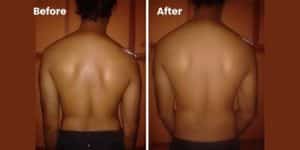
Figure 1: Shoulder alignment seen after the therapy
Session Two
Feet Hold: I sensed significant tension around the shoulder joint.
Shoulder Joint: Initially, mobility was noted in the heart region, followed by the kidneys. I could sense blood flow through his descending aorta and iliac arteries, extending to his feet. The vascular system was particularly prominent. There were releases in the pectoralis muscle, and the system showed a stronger sense of potency. Relaxation was noted in his lungs, with his shallow breath deepening into a serene and calm rhythm. The patient felt a wave of warm air moving toward his feet.
Thoracic Diaphragm: I sensed readjustments occurring in the liver and heart, as if aligning to a central axis. There was reorganization in both hip bones. His left shoulder blade released under my hands, followed by a period of stillness. I then sensed his falx, spinal cord, and dura. The right and left atria were also felt. The patient reported that his neck felt freer, with stiffness reduced to about twenty percent. He felt as though nothing had happened and that he was perfectly fine. Toward the end of the session, he sensed a wave ascending to his head and then moving down to his feet.
Session Three
Shoulders: A cranial rhythmic impulse was sensed, followed by some opening in his heart and lungs, during which he relaxed deeply with a full breath. Readjustments were then noted in his hip bones, lumbar spine, and falx. I sensed reorganization within his spinal cord and back muscles, especially in the trapezius and latissimus dorsi. Afterward, his left shoulder jerked, and I noted a fascial strain. A still point followed, and I felt space open between his shoulders, accompanied by a sense of emptiness. He reported slight discomfort in his neck. I sensed a release from his navel area. The patient experienced numerous random thoughts during the session, feeling as though he no longer had an injury in his hand. Pain and irritation in his hand decreased, and the discomfort in his neck significantly improved. In the end, he sensed a movement ascending and descending throughout his body. He described feeling light, relaxed, and calm, with reduced stiffness. He also mentioned that he had started driving again after five days, which I considered a significant improvement.
Session Four
Talus Hold: I sensed stiffness in his right hip joint and the presence of tension in his vascular system, particularly the abdominal aorta. Readjustments occurred in his diaphragm, followed by changes in the thoracic diaphragm, pelvic diaphragm, and tentorium cerebelli. There were further readjustments in the hip and shoulder joints. Releases were felt in his chest, falx cerebri, and corpus callosum, followed by a sensation of his spinal nerves releasing. I then felt a release in his thoracic nerves, and both shoulders relaxed.
I sensed the opening of his chakras from the base of his spine to the top of his skull, creating a spacious, hollow, dynamic, and energetic feeling. The primal midline was palpable, followed by a period of stillness. His body felt light, and there was a sense of expansion. The patient sensed waves rising from his feet toward his head, with sensations in the top of his head and lumbar region. He noted that stiffness in his leg had increased during the session, but post-session, he felt relaxed, and the leg stiffness had resolved.
Session Spacing: There was a three-day gap between each session.
Result
The patient reported significant improvement; there was no stiffness in the shoulders or neck pain. His fear of accidents had completely dissipated, and he resumed driving. His post-traumatic stress had resolved quickly. I believe this represents a complete recovery, as the patient is now better both mentally and physically.
Case 2:
A 30-year-old male patient presented in March 2017 with complaints of neck pain, swelling, and restricted mobility over the past few days. An MRI of the entire spine revealed a diffuse posterior bulge at the C4-C5 disc, with broad-based posterocentral and left paracentral protrusion, along with mild prediscal osteophytes. These findings were compressing the anterior subarachnoid space and indenting the left exiting nerve root. The MRI images showed the following findings, as seen in Figures 2 and 3:
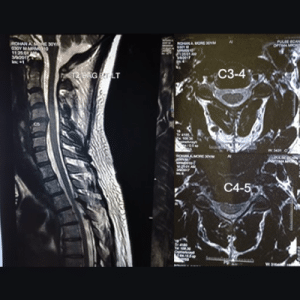
Figure 2: Diffused posterior bulge of C4-5 disc with broad-based posterocentral and left paracentral protrusion with mild peridiscal osteophytes compressing the anterior subarachnoid space and indenting left exiting nerve root
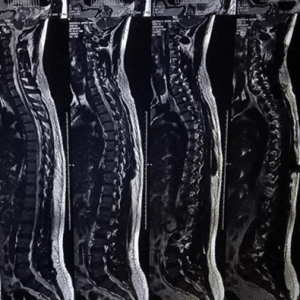
Figure 3: Reveals diffuse posterior bulge of D3-4 disc & D4-5 disc indenting anterior subarachnoid space. Focal ligamentum flavum hypertrophy is seen at D3-4, D4-5, and D10-11 levels, indenting the posterior subarachnoid space. L5-S1 disc is dessicated and reveals diffuse posterior bulge with posterior annular tear indenting thecal sac
Since there was a large disc compressing the spinal cord, the orthopedic surgeon mentioned that if there were any loss of sensation or numbness in the arms, the patient would need to undergo cervical plate surgery. The patient was prescribed the following medications by the orthopedic surgeon: Tab Etova MR bd, Cap Pan 40 bd, and Tab Defcort 6 mg tds, along with a recommendation for a cervical collar and physiotherapy. The patient followed up after five days and was prescribed Tab Defcort, Tab Pregabalin-M hs, Cap Gemcal, and Cap Evion od. He was also given vitamin D supplements.
Session One
Feet Hold: At the feet, there was a poor connection between the left and right sides of the body, and potency was weak. I sensed tension in the lower back and neck, so I focused on the back.
Sacrum Hold: While working on the lower back, I felt significant tension or tightness. It took some time to release the tension in his back. Afterward, I gave him the lumbo-sacral hold, which improved tissue potency. His thoracic region was much better than his lower back. It felt as if he were rocking gently in my hands, as light as a bird.
Cervical Spine: I felt as if my hands were melting into the tissues, experiencing a deep sense of relaxation.
Shoulder Hold: I felt a release extending from the top of my head into the brain. I wondered if it was the surge of hormones or cerebrospinal fluid movement. At the end of the session, he was very sleepy. While working on his cervical spine, I was flooded with thoughts about responsibilities. After the session, the patient also reported feeling overwhelmed by thoughts about responsibilities. However, he felt deeply relaxed in his entire spine, and the session had a meditative effect on him. He was extremely sleepy afterward. There was still a slight pain in his back, but emotionally, he felt much better. Interestingly, whatever thoughts or feelings the patient experienced, I also had the same during the session. It’s fascinating how much the body can communicate through biodynamic therapeutic touch without words.
Session Two
The pain was still present in the neck, but its intensity had significantly reduced.
Lumbosacral Hold: Initially, I didn’t feel much movement. I tried to stay centered, but nothing much was coming up. After a few minutes, I felt the lumbar vertebra reorganizing itself. I could feel the bone moving, almost three to four times, and I was amazed.
Thoracic Spine: I felt tingling in the nerves, followed by a sense of lightness, and he began to snore.
Cervical Spine: There were no movements initially, but later I felt a significant increase in potency.
Occiput: He experienced a deep sense of relaxation and snored throughout the session. Post-session, the pain in his left leg had improved significantly. I feel that the way we work in BCST is nothing short of miraculous. It teaches us that, through subtle touch, we can help bones and other structures move and allow the body to heal itself.
Session Three
The pain in the neck radiated to his left shoulder joint.
Shoulder Joint: There was a sense of tension in the brain region, so I focused on the brain.
Cerebrum: Initially, there was no activity, but after some time, there were movements. Later, he entered a state of stillness, and I could sense primary respiration in the cerebrum. It felt as if the cerebrum was like a fluid or sticky substance—semi-liquid glue. It was like being in mid-tide. I could sense the cerebellum and brainstem. The cerebellum felt more triangular compared to the large, round cerebrum. The feeling in the brain was very different from the rest of the body. The neurons felt calm, peaceful, and serene, like sitting by a still lake. It was a dynamic stillness. The entire session focused on the brain, and the patient felt deeply refreshed afterward. It felt almost like being carried on a long tide.
Session Four
Talus Hold: Initially, I sensed some stress in the heart region.
I felt a throbbing sensation in the heart, followed by significant activity. I could feel each of her heart chambers filling, starting with the right atrium, followed by the right ventricle, then the left atrium, and the left ventricle. The blood moved into the aorta and then to the lower body. There was a settling, followed by more activity, and I sensed the lungs and shoulders relaxing. The process repeated with stillness and activity. There were sounds below the heart and releases from the liver region. I could sense the flow of blood from the aorta to the lower limbs, and the patient went into deep stillness. During the session, she sneezed a couple of times. Post-session, she felt as though everything that had been scattered in her heart was now unified.
Session Five
Feet Hold: I sensed some tension near the abdomen.
Abdomen: Initially, I felt a lot of activity in the abdominal area and some activity around the hip joint. As the session progressed, I sank deeper into her abdomen, and it felt as if things were settling. Afterward, I felt a release from the liver region. The patient entered a state of stillness, and as the session continued, I could feel the intestines rumbling and gurgling. Later, her right leg released laterally. Post-session, the patient reported feeling very relaxed. Her hip joint issues improved, and her abdomen felt relaxed and empty. The neck pain, swelling, and stiffness were gone.
Session Spacing: There was a three-day gap between each session.
Results
The neck pain, swelling, and stiffness were resolved. The patient was able to move his neck freely. When he followed up with the orthopedic surgeon, the surgeon said that surgery was no longer needed. I was extremely happy for the patient. I believe that BCST is a holistic form of healing, not limited to specific body parts, but addressing the whole individual. It heals in the gentlest, safest, and most non-invasive way.
Case 3:
Eight and half year’s female dog was brought by the caretaker who was suffering from tetraplegia for more than six months after a history of a fall in April 2023. The dog was advised to undergo an MRI, a spinal tap, and aggressive rehabilitation and physiotherapy. She was on multivitamins nerwin forte, and tab doxypet.
Session one
Limb Hold: There was tension along the cervical spine and the lumbar region. There was no connection between the left and right sides of the body. There was tension in her hind legs, also there was poor potency in her system as if everything had slowed down.
Lumbo-Scral Hold: The Sacrum was initially tight and later softened. I sensed a kind of wave of relaxation going up to her neck region. Then her system went into stillness for some time. I sensed a kind of relaxation in her back and legs, but still, there was a pulling sensation in her thighs. There was increased potency in the left hind legs. Then I could sense all her spinal nerves reorganizing after a while, I felt her spine realigning. There was jerking in her legs, and then she felt relaxed and sleepy. After the first session the next day, she was able to stand for a few seconds. The owner was just amazed and surprised as it was possible. The only improvement in her after the first session was that now she was at least able to sit. I was happy that BCST gave her the strength to sit in just one session, which she was unable to do in the past six months.
Session two
The dog’s owner mentioned that she was trembling and sleeping a lot, which made him worry a lot.
Limb Hold: I sensed tension along all her limbs. The spine felt relaxed as compared to her previous session. I could sense her falx later, there was reorganization at the lumbosacral spine. She went into stillnes,s and later she felt an itching sensation on her body. Later, her entire system was in a deep state of relaxation. Later, I could sense a kind of pulling sensation in her temporals.
Tentorium Hold: The pull in the temporals settled now, and the sacrum, which was tight, loosened now. The heaviness and pulling sensation were not there. When I was working on her back every time, she turned her neck behind and expressed her love by licking my hands. She was so happy to receive the therapy that every time I had to turn her head forward and continue the sessions. Finally, I had to hold her head, which she liked a lot it. Each time I touched her hea,d she was resourced and felt deep rest.
Session three
Limb Hold: There was a lot of nervous activity along the spine and all over the body. I could sense her front limbs and spine relaxing. There were some readjustments in her pelvis and then her temporals. Then I sensed some waves moving through her thighs, and she started scratching her thighs. I could sense some energy moving from the base of the spine to the top of the head. I felt her entire spine opening. She looked relaxed, but there was a pull in her thighs. Since she had been immobile for the past six month,s her limbs had become weak and emaciated.
Hip Joint: Sensed activity in her pelvic area, especially the sacrum, the bladder, genitals, sacral, and lumbar nerves. Sensed her lumbar nerves relaxing, as well as the muscles around that area. Then I felt the opening of the spine from the sacrum to the head. There was jerking in both hind legs.
Session four
Limb Hold: I could sense tension near the throat region, so I went to the throat.
Throat Hold: Here, there was not much activity after a while. I could feel some activity near the heart region.
Heart Region: I felt this area to be very tight after some time, and everything relaxed. Later sensed tension near the abdomen, so I went to the abdomen.
Abdomen: There were readjustments in her pelvic and temporal bones. There was jerking in both her legs. Then her system went into deep stillness, and everything was settling; it was Dynamic stillness. I could sense her midline and the fallx, and there was a good sense of potency. The dog now looked relaxed and happy.
Session five
Limb Hold: I sensed tension along the lumbosacral area. There were some restrictions and tension along the spinal cord near the thoracolumbar region. During the session, I felt reorganization in her spinal cord; there was more strength and potency now than in previous sessions. There were releases in the cauda equina, and she felt as if all the nerves were reorganizing. Her lumbar area was much better now. She looked happier and relaxed.
Session six
She was now able to stand, but there was some instability in the hind limbs.
Hind Limbs Hold: I could sense tension along her legs and neck region. There were releases in her lumbar area, and after some time sensed her entire body becoming light and hollow. Then there was stillness, and everything was settling. Later I sensed some tension along the neck.
Neck Hold: There was increased potency, and the discomfort in the neck was not there.
Session seven
Limb Hold: There was some activity in the sacru,m which later settled, and then there were some readjustments along the lumbar spine. There was good potency in her tissues. There was a good sense of midline, and it felt as if everything was reorganized around the central axis. There were releases happening between the lumbar and cervical spine. The spinal cord feels healthy now as compared to the previous sessions. With a good sense of potency and free of any kind of restriction.
Lumbar and Cervical Hold: There was jerking in the hind limbs. After this session, she was able to walk better, and the instability in the hind limbs had improved tremendously.
Session eight
Occiput Sacrum Hold: There was good sense of potency there was no tension in the spine I felt that she was in a better state of health as compared to previous sessions. Everything was well organized, and her body was in a state of good health. The entire spine was much relaxed, there was no discomfort in her back and legs, her appetite had improved, and her energy levels were much better.
Session Spacing: There was a gap of three days between each session.
Results
This was the most challenging case in my practice. To see a tetraplegic dog who was unable to walk for the past six months was more than a miracle. Till date she is doing well, she is jumping, running, and playing she has healed till the core thanks to BCST. These kinds of cases are an example of the strength and therapeutic powers of BCST.
The dog showed significant improvements as shown in Figures 4, 5, and 6.
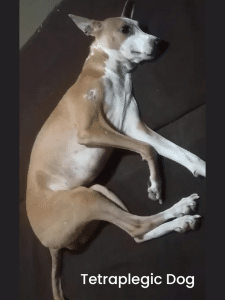
Figure 4: Before Biodynamic Craniosacral Therapy
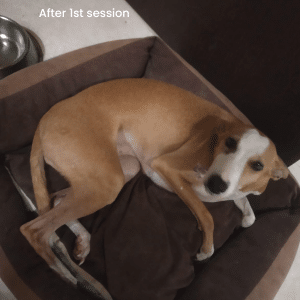
Figure 5: After first session of biodynamic craniosacral therapy.
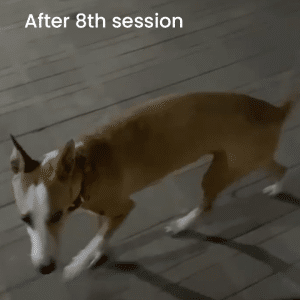
Figure 6: After the 8 th session of biodynamic craniosacral therapy
Efficacy of Craniosacral Therapy
There is limited research available on the efficacy of Craniosacral Therapy (CST). Most of the research that has been conducted is anecdotal evidence provided by satisfied clients to their family and friends [3]. Some studies have shown that CST may be effective in reducing pain, anxiety, and depression. However, these studies are small and have not been replicated in larger studies. More research is needed to determine the efficacy of CST [2].
CST as an Adjuvant Therapy
CST is often used as an adjuvant therapy to conventional medical treatment. This means that it is used in addition to other treatments, such as medication or surgery. CST may help to improve the effectiveness of these treatments and reduce side effects [13]. By investigating the combined application of Biodynamic Craniosacral Therapy and homeopathy, this study contributes to the growing body of research on integrative approaches to healthcare. By leveraging the synergies between these modalities, practitioners can offer patients a more comprehensive and personalized approach to healing, addressing both physical and energetic aspects of health. As research in this area continues to evolve, the potential benefits of integrating CST and homeopathy in clinical practice become increasingly apparent, offering new avenues for holistic healing and well-being [13].
CST and Children
CST has been shown to be helpful in treating a variety of conditions in children, including colic, asthma, and ADD/ADHD. CST may help to improve the child’s overall health and well-being [3].
CST and Neurological Conditions
Some studies have shown that CST may be helpful in treating neurological conditions, such as fibromyalgia and migraines. CST may help to reduce pain and improve the patient’s quality of life [14,15,16].
CST and Structural Integration
CST is often used in conjunction with structural integration, which is a type of bodywork that focuses on the alignment of the body’s musculoskeletal system. CST and structural integration may help to improve the body’s overall function and reduce pain [17]. CST has small to medium effects on pain intensity, disability, and physical quality of life [17]. BCST has medium to large effects on global improvement [17]. Effects are robust against most risk of bias domains [17]. No serious adverse events were reported [17]. CST seems to be as safe as other conventional or commentary manual treatments [17].
Integration into Routine Healthcare
The National Health Service (NHS) in Poland: Formally recognized craniosacral therapy (CST) in early 2011. They classified it as a recommended rehabilitation method using the International Classification of Medical Procedures (ICD-9),
no. 93.3824. [16]
Challenges and Limitations of Using BCST in Routine Healthcare: The integration of Biodynamic Craniosacral Therapy (BCST) into routine healthcare encounters several challenges and limitations, primarily stemming from a lack of robust evidence-based research. This issue is not unique to BCST but is common across many complementary therapies [3]. One of the foremost challenges is the scarcity of rigorous scientific studies validating the effectiveness of BCST. Medical professionals often rely on evidence-based research to guide their treatment choices and recommendations. Without a substantial body of empirical research supporting BCST, healthcare providers may be hesitant to incorporate it into standard practice [3]. Due to the limited research, there is a degree of skepticism among medical professionals about the efficacy of BCST. This skepticism can hinder the acceptance and integration of BCST into conventional medical treatments. Professionals might prefer to use therapies with well-documented outcomes and established mechanisms of action [3].
Strategies for collaboration and interdisciplinary care: To provide holistic and comprehensive healthcare, it is essential to incorporate modalities that address not only the physical aspects of the body but also consider mental affliction. Multiple sources highlight the effectiveness of BCST in addressing mental ailments and its impact on the body and mind. This expertise could be valuable in interdisciplinary settings where patients may be dealing with physical or emotional trauma. BCST practitioners could collaborate with psychologists, psychiatrists, and other mental health professionals to provide integrated care that addresses the somatic and psychological aspects of trauma [18,19,14].
Safety and Ethical Considerations: Biodynamic Craniosacral Therapy (BCST) emphasizes a gentle, receptive approach, ensuring that the practitioner’s touch is light and responsive to the client’s needs [20]. This approach is particularly important when working with sensitive individuals, such as those with rheumatoid arthritis, connective tissue diseases, osteoporosis, or those who are pregnant [21]. BCST practitioners prioritize creating a space where patients feel safe and heard, which is crucial for those who have experienced trauma or are dealing with sensitive issues. This safe environment can facilitate healing and empower patients to actively participate in their own recovery [22].
Key Concepts in Biodynamic Craniosacral Therapy (BCST):
Yielding: “Yielding” is a central concept in BCST, characterized by an embodied state of awareness where the practitioner maintains a receptive, supportive presence. The primary aspects of yielding include:
- Respecting Boundaries: Practitioners should be mindful of the client’s physical and energetic boundaries, ensuring their touch is never forceful or intrusive.
- Supporting Fluctuation: Gentle touch is used to enhance the body’s natural fluctuation patterns, encouraging motility in areas that feel restricted.
- Trusting the Body’s Intelligence: Practitioners are encouraged to trust the body’s inherent capacity for self-healing, avoiding interventions that might interfere with this process [23].
Trauma-Informed Approach:
BCST requires a trauma-informed approach, recognizing that individuals who have experienced trauma may need specific considerations. Key precautions include:
- Creating a Safe Matrix: Establish a safe, supportive environment where the client feels secure and protected.
- Working with Sensitivity: Apply touch with a high degree of sensitivity, respecting the client’s defenses and avoiding any pressure that could be re-traumatizing.
By adhering to guidelines and precautions, BCST practitioners can provide a safe and effective therapeutic environment that supports the client’s healing process [23].
Potential for BCST to contribute to a more holistic and patient-centered approach to healthcare: Several sources stress the need for more robust evidence-based research to support the efficacy of BCST. This is a common concern within many complementary therapies. Kern, M has mentioned an ongoing qualitative study sponsored by the Craniosacral Therapy Association (CSTA) to understand client experiences and identify appropriate outcome measures. The CSTA aims to build on this study by designing a quantitative study to explore the effectiveness of CST, but this requires funding [24].
Exploring the Psychobiological Aspects: Jane Shaw, in her essay, explores the intersection of BCST and Jungian thought, proposing that BCST acts as an embodied practice to raise earth consciousness at both individual and collective levels due to its psychoid nature. The author, Jane Shaw, suggests that BCST practice might be a lived experience of Jung’s concept of the psychoid reality, where psyche and matter are one. She argues for the potential benefits of BCST not only for individuals but also for the earth itself, although more research is needed to substantiate this claim [25]. The relevance of mindful embodiment practices, such as BCST, is discussed, highlighting their role in cultivating perceptual and relational capacities that contribute to political consciousness and social movement building [12].
Developing Comprehensive Documentation and a Shared Language: Greater emphasis should be placed on the scientific investigation of Rolfing SI within a holistic framework. This highlights the necessity for improved documentation, a centralized repository for gathered evidence, and a shared vocabulary to address the various dimensions of these techniques. The problem lies in investigating outcomes within a holistic paradigm that considers all facets of human existence, while emphasizing the need to develop scientific methodologies that align with this perspective [26].
Expanding Understanding of Subtle Rhythms and their Significance: The theoretical knowledge of BCST delves into the concept of “Primary Respiration” and its manifestation as different rhythms within the body. They emphasize the significance of these rhythms for one’s health and overall state of being, indicating that they are expressions of a more profound vital energy. Additional research has the potential to enhance our comprehension of these rhythms, including their physiological and energetic foundations, as well as their connection to health, trauma, and the process of healing [27].
Investigating the Energetic Dimension and the Field: Multiple publications analyze the energetic aspect of BCST and its associated practices. Practitioners argue that the bio-electric fields released by cells, organs, and bodies contribute to a greater field that may be perceived and manipulated. Research could investigate the characteristics of these fields, their interconnections, and their influence on health and the process of healing [28]. Biodynamic Craniosacral Therapy (BCST) has the potential to offer a holistic and patient-centered approach to healing. Multiple sources indicate that this mind-body practice can improve therapeutic interaction, emphasizing the importance of touch. Research indicates that soft touch has a beneficial effect on autonomic regulation, immunological function, and newborn development [28]. These research and development fields are essential for progressing the comprehension, application, and incorporation of BCST within a wider healthcare framework. Further research is necessary to build a more robust body of data, elucidate the mechanisms of action, improve therapeutic techniques, and fully investigate the potential of BCST [29].
BCST, through its soft and thoughtful approach to touch, specifically targets this requirement, potentially cultivating a more profound bond between the patient and practitioner [29].
Honoring the “Health in the System”: Every individual possesses inherent health. BCST practitioners believe that this innate state of well-being can be attained by employing gentle touch and attentive observation of the body’s natural cycles. This viewpoint calls for a patient-centric methodology wherein the therapist assumes the role of a facilitator, directing the patient’s individual recovery journey rather than imposing external remedies [29].
Integrating the Body and Mind: Therapeutic methods have limitations when it comes to separating the body and mind. BCST, by definition, closes this gap. Practitioners detect fragile rhythms throughout the body, which are thought to mirror the emotional and psychological condition of the individual. This facilitates a comprehensive comprehension of the patient’s encounter, potentially resulting in more efficient and tailored therapy [30]. Establishing a secure and supportive therapy setting is crucial [30].
These sources collectively suggest that BCST can be a valuable tool in promoting a healthcare approach that is:
- Holistic: Considering the whole person, not just their physical symptoms.
- Patient-centered: Focused on the individual’s needs and experiences.
- Empowering: Supporting the patient’s inherent capacity for self-healing.
Further investigation and research into the specific applications and efficacy of BCST in diverse healthcare settings are necessary to fully understand its potential contribution to a more integrated and person-centered healthcare model.
Conclusion
Biodynamic Craniosacral Therapy (BCST) offers a holistic, non-invasive approach that complements other healthcare modalities. While more research is needed to solidify its scientific foundation, existing studies and clinical practices indicate that BCST can enhance routine healthcare by promoting overall health and well-being. To address the current research gaps, it is essential to support ongoing studies and increase their visibility. Raising awareness of BCST’s benefits can help shift perceptions and encourage its acceptance within conventional healthcare. Effectively communicating research findings will bridge the gap between complementary therapies and mainstream medicine. Furthermore, healthcare professionals interested in BCST should receive specialized training to ensure effective treatment and improved patient outcomes.
References
- Kalyankar TM, Attar MS, Shinde GH. Review on alternative therapy in health and medicine. Int J Pharm Sci Res. 2012;3(11):4173. Review on alternative therapy in health and medicine
- Singh M, Ahluwalia C. Pathophysiology of energy medicine with special reference to craniosacral interventions. Delhi Bus Rev. 2015;16(1):109-118. Pathophysiology of energy medicine with special reference to craniosacral interventions
- Kern M. Introduction to Biodynamic Craniosacral Therapy. Biodynamic Craniosacral Therapy Association of North America. 2012. Introduction to Biodynamic Craniosacral Therapy
- Agneesens C, Lawrence DH. Essential works in biodynamics: Researching and reaching into the depths. Biodynamic Craniosacral Therapy Association of North America.2008. Essential works in biodynamics: Researching and reaching into the depths.
- Menzam C. The breath of life: An introduction to biodynamic craniosacral therapy. Biodynamic Craniosacral Therapy Association of North America. 2018. An introduction to biodynamic craniosacral therapy
- Menzam-Sills C. What is Continuum? Resourcing Your Life. 2018. What is Continuum?
- Still AT, Ingber D, Levin S, Oschman J, Langevin H, van der Wal J, Schleip R. The living matrix. J Altern Complement Med. The living matrix
- Menzam C. Continuum and biodynamic craniosacral therapy: Parallel paths to health. Biodynamic Craniosacral Therapy Association of North America. Continuum and biodynamic craniosacral therapy: Parallel paths to health
- Blackstone J. Context for the healing ground. Biodynamic Craniosacral Therapy Association of North America. 2019. Context for the healing ground
- Chari A. The political potential of mindful embodiment. New Polit Sci. 2016;38(2):226-240. The political potential of mindful embodiment
- Jones B. A modern look at pain. Struct Integr. 2011;25. A modern look at pain
- Shaw JE. Introducing biodynamic craniosacral therapy (BCST) into the landscape of Jungian thought. J Jungian Schol Stud. 2017;12(1):45-55. Introducing biodynamic craniosacral therapy (BCST) into the landscape of Jungian thought
- Norton D-L, Isbell B. An explorative study of the combined use of homoeopathy and craniosacral therapy and the therapeutic potential of integration. The Fulcrum. 2004;34:8-10. An explorative study of the combined use of homoeopathy and craniosacral therapy and the therapeutic potential of integration
- Matarán-Peñarrocha GA, Castro-Sánchez AM, García GC, Moreno-Lorenzo C, Carreño TP, Zafra MDO. Influence of craniosacral therapy on anxiety, depression and quality of life in patients with fibromyalgia. Evid Based Complement Alternat Med. 2011;2011:178769. doi.10.1093/ecam/nep125 PubMed | Crossref | Google Scholar
- Arnadottir TS, Sigurdardottir AK. Is craniosacral therapy effective for migraine? Tested with HIT-6 questionnaire. Complement Ther Clin Pract. 2013;19(1):11-14. doi.10.1016/j.ctcp.2012.07.003. PubMed | Crossref |
Google Scholar - 16.Kanik W, Augustyn J, Tombarkiewicz B. Adapting craniosacral therapy to treat horses. Acta Vet Brno. 2017;86(1):75-84. Adapting craniosacral therapy to treat horses
- Haller H, Lauche R, Sundberg T, et al. Craniosacral therapy for chronic pain: a systematic review and meta-analysis of randomized controlled trials. BMC Musculoskelet Disord. 2020;21(1):1. doi. 10.1186/s12891-019-3017-y PubMed | Crossref | Google Scholar
- Theismann S. Applications of pre- and perinatal psychology: an overview. Somat Psychother Today.2025. Applications of pre- and perinatal psychology: an overview
- Selvam R. Treating tsunami survivors for trauma. J Holist Health Care. 2005;2(4):37. Treating tsunami survivors for trauma
- Ross CL. Integral healthcare: the benefits and challenges of integrating complementary and alternative medicine with a conventional healthcare practice. Integr Med Insights. 2009;2009(4):13-20. doi.10.4137/imi.s2239 PubMed | Crossref | Google Scholar
- Weidhaas D. Excruciatingly slow-motion movements. Struct Integr J Rolf Inst. 2012. Excruciatingly slow-motion movements
- Tahata H. Case studies with yielding. Struct Integr J Rolf Inst.2012. Case studies with yielding|Google Scholar
- Agneessens C, Tahata H. Yielding: engaging touch, presence, and the physiology of wholeness. Struct Integr J Rolf Inst. 2012;40(1):10-16. Yielding: engaging touch, presence, and the physiology of wholeness
- Frank K. Body as a movement system – Part 2. Struct Integr J Rolf Inst.2012. Body as a movement system – Part 2
- Absey J. Wisdom in the body: the craniosacral approach to essential health. J Prenat Perinat Psychol Health. 2006;21(1):96-99. Wisdom in the body: the craniosacral approach to essential health
- Depperman D. Structural dysfunction: strain and release. Struct Integr J Rolf Inst. 2011;39(2):45-60. Structural dysfunction: strain and release
- Prado P. The case study method: scientific exploration of Rolfing® SI in the holistic paradigm. Struct Integr J Rolf Inst. 2011;39(2):64. The case study method: scientific exploration of Rolfing® SI in the holistic paradigm
- Chaitow L. Breathing, chronic pain, touch and the body-mind. J Holist Health Care. 2007;4(4):39-45. Breathing, chronic pain, touch and the body-mind
- Evans H. Craniosacral touch and the perception of inherent health. J Holist Health Care. 2007;4(4):19-23. Craniosacral touch and the perception of inherent health
- Punch A, Back F. Journal of Prenatal and Perinatal Psychology and Health. J Prenat Perinat Psychol Health. 2019;33(4). Journal of Prenatal and Perinatal Psychology and Health.
Acknowledgments
Not applicable
Funding
Not applicable
Author Information
Mitali More
Department of Homoeopath
Dr Mitali More Clinic, Homeopathy Clinic, Kandivali West, Mumbai
Email: drmitalimore@gmail.com
Author Contribution
The author contributed to the conceptualization, investigation, and data curation by acquiring and critically reviewing the selected articles and was involved in the writing – original draft preparation and writing – review & editing to refine the manuscript.
Informed Consent
Patient consent has been taken.
Conflict of Interest Statement
This review is about an alternative therapy called biodynamic craniosacral therapy. The results of the therapy are based on the patient’s experience, and the case reports are written according to BCST guidelines.
Guarantor
Not applicable
DOI
Cite this Article
More M. The Role of Biodynamic Craniosacral Therapy in Routine Healthcare: A Review and Patient Experiences. medtigo J Med. 2024;2(2):e3062222. doi:10.63096/medtigo3062222 Crossref