Author Affiliations
Abstract
Depression is a psychiatric disorder among general outpatients. It has been studied in most parts of Nigeria, however, there is a paucity of data in the insurgency-ravaged geopolitical zone of Nigeria. A descriptive cross-sectional study was used for this research, and a multi-staged sampling technique was used to sample the populatio, where a well-structured self-administered questionnaire was used as the tool for collecting data. The sample size was 83 patients of both Akilu memorial comprehensive hospital and Murtala Muhammad specialists’ hospital, both in Kano state, Nigeria. The mean age ± standard deviation (SD) of the respondents Akilu memorial hospital was found to be 38.3+14.864 years. Also, the result in Murtala Muhammad specialists’ hospital showed that the mean age ±SD of the respondents was 45.47±16.11 years. The prevalence rate of depression in both hospitals was found to be 70% and 90%, respectively, Both studies showed no statistically significant association between sociodemographic, medical conditions with depression. The study revealed the high magnitude of depression that goes undiagnosed and unmanaged. It was suggested that general medical practitioners do a thorough assessment for early detection and prompt referral of patients with depression among general outpatients.
Keywords
Depression, Prevalence rate, Sociodemographic characteristics, Patients Health Questionnaire (PHQ- 9), Kano state.
Introduction
Depression is a mental health disorder characterized by a persistent feeling of sadness, emptiness, and a lack of interest in or pleasure in activities. It can also lead to various physical and cognitive symptoms, such as changes in appetite, sleep disturbances, difficulty concentrating, and feelings of worthlessness or guilt. Depression can range in severity from mild to severe, and it can significantly impact a person`s daily life, relationships, and overall well-being. Treatment options often include therapy, medication, lifestyle changes, and social support. Depression is a complex and multifaceted mental health disorder that affects millions of people worldwide. Depression manifests emotionally in the form of persistent sadness, emptiness, irritability, or feelings of worthlessness. It may manifest in cognitive symptoms such as difficulty concentrating, making decisions, or remembering. Sometimes it manifests as physical and behavioral symptoms, such as changes in appetite and social withdrawal. There are different types of depression, which include major depressive disorder (MDD), persistent depressive disorder (dysthymia), bipolar disorder, and seasonal affective disorder (SAD). Nigeria is increasingly acknowledging mental health disorders, including depression, as significant public issues. Kano State is culturally diverse, and the population faces various challenges such as limited access to quality healthcare, economic disparities, and cultural stigmas surrounding mental health. Despite its cultural richness, there`s a lack of comprehensive research on depression in terms of its prevalence and associated factors within the context of the healthcare system in the state. Depression is one of the health problems that many people experience at least once or many times in their lives.
This prevalent mental health issue affects individuals worldwide, leading to significant personal, social, and economic burdens. It can impact anyone, regardless of age, gender, or socio-economic background. In recent years, there has been growing recognition of the importance of the prevalence and factors associated with depression, especially within primary and secondary healthcare settings. According to the World Health Organization (WHO), depression is the fourth most important contributor to the global burden of disease, accounting for 4.4% of the total disability-adjusted life years in 2000. In North America, the probability of having a major depressive episode within a 1-year period is 3%–5% for males and 8%–10% for females. Depression was the leading cause of disability as measured by years lived with disability and the fourth leading contributor to the global burden of disease in 2000. By the year 2020, depression is projected to reach second place in the ranking of the major causes of disability-adjusted life years calculated for all ages and both sexes [1]. Furthermore, depression is a significant cause of work absenteeism, productivity loss, mortality, and co-morbidities such as anxiety disorders and substance abuse [2]. The Adult Psychiatric Morbidity Survey in England conducted a study that revealed 17.6% of the adult population met diagnostic criteria for at least one common mental disorder, with 2.6% experiencing depressive episodes. Researchers found depressive symptoms in 21% of the population. A systematic review of risk factors for depressive disorders in Pakistan by some authors from 1991–2001 showed that females, low education levels, and chronic difficulties in housing, finance, and health were significantly associated with depressive disorders. The prevalence of MDE was higher among females, those in the age group of 18–25 years, and those who were unemployed. A population survey among subjects aged 15 years and above in Iran, involving 35 014 individuals, found that 21% of the population had mental disorders, which were high among females, married, widowed, and unemployed. Twenty-one percent of the population was found to have depressive symptoms. A systematic review on risk factors of depressive disorders in Pakistan by some authors from 1991–2001 showed that females, low education level, and chronic difficulties in housing, finance, and health were significantly associated with depressive disorders [3]. The prevalence of depression in Sub-Saharan Africa ranges from 15 to 30% [4].
In Ethiopia, depression was found to be the seventh leading cause of disease burden, and the prevalence of depression has been increased in hospitals compared to a community setting, because the hospital environment itself can be stressful. In Nigeria, it ranges between 17% and 27% among hospitalized patients [4] One author observed that gender and marital status were not associated with depression in their study in Sagamu, South-West Nigeria [5]. Another author in Ilorin also found that depression was more likely to occur among the married group. Another author in Ilorin also found that depression was more likely to occur among the married group. Another study by an author in Lagos, South-West Nigeria, found that only a lack of formal education was predictive of depression among the socio-demographic factors studied. In Kano, North-West Nigeria, researchers found that outpatients over 40 years old, females, married respondents, and those with a low level of education were more likely to experience depression [5,6].
Methodology
The study was conducted in Kano state, which is in North- Western part of Nigeria. The state has a population of 401288 according to the 2006-03-21 Census, with a projected population of 15462200 in 2022-03-21 using a growth rate of 3.2% per annum. The hospitals in the state include Aminu Kano Teaching Hospital, National Orthopaedic Hospital Dala, Murtala Muhammad Specialist Hospital, Muhammad Abdullahi Wase Specialist Hospital, general hospitals, and other hospitals, including comprehensive and primary healthcare centers, dispersed across the state. The study site includes Akilu memorial comprehensive health clinic, which is a public health facility located at Madobi, Madobi Local Government, Kano State. The facility has thirty-four beds for inpatients and offers infectious diseases, antenatal care (ANC), immunization, human immunodeficiency virus (HIV)/acquired immunodeficiency syndrome (AIDS) services, tuberculosis, non-communicable diseases, family planning, communicable diseases, nutrition, health education, community mobilization, and maternal and newborn care.
Murtala Muhammad specialist hospital is located within the ancient city wall of Kano. The hospital was established in 1927, and was initially called City hospital, with a capacity of 16 beds at that time. The hospital currently has an official bed capacity of 826, twenty departments (the largest being the department of medicine), 30 wards and units, 9 operating theatres, 14 clinics, it is also an NHIS-accredited hospital. The study population was patients attending the general outpatient clinic department (GOPD) of Akilu memorial comprehensive health center and Murtala Muhammad Specialist Hospital. The inclusion criteria were: 1) all patients aged between 15-80 years with medical problems attending MMSH and Akilu memorial CHC during the study period and who were willing to participate in the study. 2) Patients who were not critically ill and were able to respond to the administered questionnaire; While the exclusion criteria were: 1) all patients aged below 15 years or above 80 years. 2) all patients are not willing to participate in the study. 3) all patients who were critically ill and were unable to respond to the administered questionnaire.
The sample size was calculated using Leslie Fischer formula, which is denoted as: = 𝒛𝟐/d2 and was found to be 83.33. Multi-stage sampling technique was used to collect data from consenting patients attending the primary and secondary healthcare facility, respectively.
- Stage 1: (selection of state) Kano state was purposely selected because there is a paucity of studies regarding prevalence and factors associated with depression.
- Stage 2: (selection of health facilities) A simple random sampling technique was employed to select Murtala Muhammad specialist hospital out of the thirty-nine general hospitals in the state, via balloting, and Akilu memorial comprehensive health center was also selected out of twenty-three comprehensive health centers via balloting in the state.
- Stage 3: (selection of study participants). Proportionate allocation of eligible patients was made between the two selected health facilities, Thereafter Systematic Sampling technique was used to select eligible patients attending Murtala Mahammad specialist hospital and Akilu memorial comprehensive center until the required sample sizes were obtained.
Data from the respondents will be collected using a semi-structured interviewer-administered questionnaire consisting of different sections. The first section asked questions about the sociodemographic characteristics of the respondents, whereas the second section is a nine-item tool for screening for depression, the Patient Health Questionnaire (PHQ‑9). The tool was adapted from a validated depression screening tool, [7] and elicit information on the prevalence, pattern, and determinants of depression among patients, 83 patients were recruited for the study and proportionally allocated for both hospitals (60 and 23 for Murtala Muhammad specialist hospital and Akilu memorial comprehensive health center, respectively) after estimation of the average monthly clinic attendance using the clinic record to be 4000 and 10000 at Akilu memorial CHC and MMSH respectively. Patients with a score of 5 and above in the PHQ-9 were considered to have depression. A total PHQ-9 score of 1–3 indicates “no depression”, 5–9 indicates “mild depression”, 10–14 indicates “moderate depression,” 15–19 indicates “moderately severe depression,” and 20–27 indicates “severe depression”. The collected data were coded and transferred to an Excel sheet, where data cleaning was performed. The cleaned data was then transferred to the Statistical Package for Social Science (SPSS) version 27 where analysis was conducted. Statistically significant associations were set at (p < 0.05) and the results were presented in tables and charts, graphs, and tables, frequencies and percentages as appropriate. Ethics approval was sought for this study from the health research ethics committee of Kano state ministry of health with approval number: NHREC/17/03/2018. Informed consent was obtained from the respondents after explaining the study goals and providing a guarantee of confidentiality [8].
Results
A total of 83 questionnaires were administered (60 of which were administered at MMSH and 23 at Akilu memorial comprehensive hospital) all were returned completed, giving a response rate of 100%. The questionnaires were analyzed, and the following results were obtained.
Akilu Memorial Comprehensive Hospital result: The age of the respondents ranged from 17-77 years and the majority 11 (47.8%) belong to the age group 38-57 years. The mean age ±SD of the respondents was 38.3±14.864 years. There were more Hausa ethnic group participants 13(56.5%) compared to other groups. Most of the respondents were male 15 (65.2%) compared to female 8 (34.8%). There were predominantly more Muslims 21(91.3%) compared to Christians 2(8. 7%). Many of the respondents 12(52.2%) were married. Most of the respondents, 20(87%) earned between 20000-80000 naira monthly and majority 10 (43.5%) have attained secondary school education. Table 1A below shows the summarized sociodemographic characteristics of the respondents.
| S.No. | Variable | Frequency | % |
| 1 | Age group (years) | ||
| 17-37 | 10 | 43.5 | |
| 38-57 | 11 | 47.8 | |
| 58-77 | 2 | 8.7 | |
| 2 | Tribe | ||
| Hausa | 13 | 56.5 | |
| Fulani | 8 | 34.8 | |
| Yoruba | 2 | 8.7 | |
| 3 | Sex | ||
| Male | 15 | 65.2 | |
| Female | 8 | 34.8 | |
| 4 | Religion | ||
| Islam | 21 | 91.3 | |
| Christianity | 2 | 8.7 | |
| 5 | Marital Status | ||
| Single | 8 | 34.8 | |
| Married | 12 | 52.2 | |
| Widowed | 2 | 8.7 | |
| Separated | 1 | 4.3 | |
| 6 | Average monthly income (naira) | ||
| <30000 | 12 | 52.2 | |
| >30000 | 11 | 47.8 | |
| 7 | Level of Education | ||
| Primary school | 6 | 26.1 | |
| Secondary school | 10 | 43.5 | |
| Tertiary school | 2 | 8.7 | |
| Quranic school | 5 | 21.7 | |
Table 1A: Sociodemographic characteristic of the respondents in Akilu Memorial comprehensive hospital.
MMSH results: The age of the respondents ranged from 15 to 82 years, and the majority 29 (48.7%) belong to the age group 38-60 years. The mean age ±SD of the respondents was 45.47±16.11 years. There were more Hausa ethnic group participants, 41(68.3%), compared to other groups. Most of the respondents were male 36 (65%,) compared to female 24 (40%). There were predominantly Muslim 59(98.3%) compared to Christians 1(1.7%). Most of the respondents, 43(71.3%) were married. Most of the respondents 32(53.2%) earned 35000-120000 naira monthly, and the majority 26(43.7%) have attained secondary school education. Table 1B below shows the summary of the sociodemographic characteristics of the respondents.
| S.No. | Variable | Frequency | % |
| 1 | Age group (years) | ||
| 15-37 | 22 | 36.7 | |
| 38-60 | 29 | 48.7 | |
| 61-82 | 9 | 15 | |
| 2 | Tribe | ||
| Hausa | 41 | 68.3 | |
| Fulani | 14 | 23.3 | |
| Igala | 1 | 1.7 | |
| Ibra | 2 | 3.3 | |
| Kanuri | 2 | 3.3 | |
| 3 | Sex | ||
| Male | 36 | 60 | |
| Female | 24 | 40 | |
| 4 | Religion | ||
| Islam | 59 | 98.3 | |
| Christianity | 1 | 1.7 | |
| 5 | Marital Status | ||
| Single | 8 | 13.3 | |
| Married | 43 | 71.7 | |
| Widowed | 2 | 3.3 | |
| Separated | 1 | 1.7 | |
| Divorced | 6 | 10 | |
| 6 | Average monthly income (naira) | ||
| <30000 | 28 | 46.7 | |
| >30000 | 32 | 53.3 | |
| 7 | Level of Education | ||
| Primary school | 10 | 16.7 | |
| Secondary school | 26 | 43.3 | |
| Tertiary school | 22 | 36.7 | |
| Quranic school | 2 | 3.3 | |
Table 1B: Sociodemographic characteristic of the respondents in MMSH
Table 2A below shows the distribution of respondents’ working diagnoses, with Malaria and asthma having the highest percentage (17.4%), and Fibroid, pneumonia, typhoid, and ulcer having the lowest percentage (4.3%).
| S.No. | Variable | Frequency | % |
| 1 | Malaria | 4 | 17.4 |
| 2 | Typhoid | 1 | 4.3 |
| 3 | Ulcer | 1 | 4.3 |
| 4 | Hypertension | 2 | 8.7 |
| 5 | Diabetes | 2 | 8.7 |
| 6 | Fibroid | 1 | 4.3 |
| 7 | Sickle cell disease | 2 | 8.7 |
| 8 | Asthma | 4 | 17.4 |
| 9 | Tuberculosis | 3 | 13 |
| 10 | Heart failure | 2 | 8.7 |
| 11 | Pneumonia | 1 | 4.3 |
Table 2A: Respondents working diagnosis in Akilu Memorial comprehensive hospital
Table 2B below shows the distribution of respondents’ working diagnoses, with Malaria having the highest percentage (30%) and Fibroid having the lowest percentage (1.7%).
| S.No. | Variable | Frequency | % |
| 1 | Malaria | 1 | 30 |
| 2 | Typhoid | 5 | 8.3 |
| 3 | Ulcer | 7 | 11.7 |
| 4 | Hypertension | 1 | 26.7 |
| 5 | Diabetes | 6 | 10 |
| 6 | Fibroid | 1 | 1.7 |
| 7 | Kidney disease | 2 | 3.3 |
| 8 | Sick cell disease | 3 | 5 |
| 9 | Asthma | 2 | 3.3 |
Table 2B: Respondent’s working diagnoses in MMSH
Figure 1A shows the status of the attending patients, with follow-up patients having the highest percentage (56.5%) and newcomer patients (43.5%).
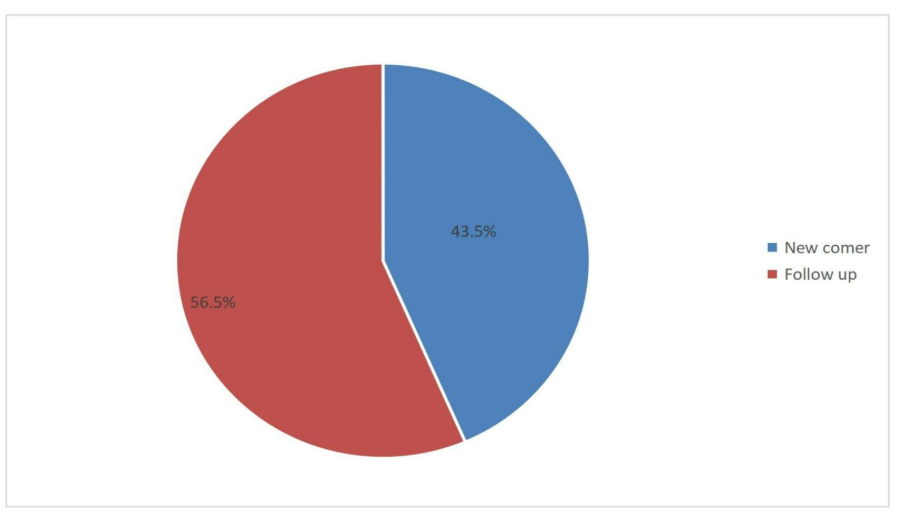
Figure 1A: Status of the attending patients Akilu memorial comprehensive hospital
Figure 1B shows the status of the attending patients, with newcomers having the highest percentage (58.3%) and follow-up patients (41.7%).
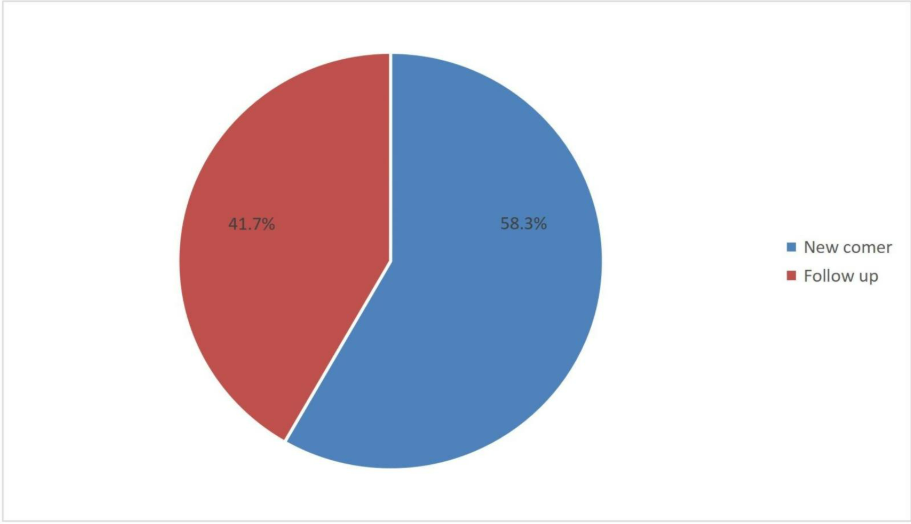
Figure 1B: Status of the attending patients in MMSH
| Variable | Not at all | Several days | More than half the day | Nearly every day |
| Interest | 13 (56.5%) | 7 (30.4%) | 1 (4.3%) | 2 (8.7%) |
| Depression | 7 (30.4%) | 8 (34.8%) | 5 (21.7%) | 3 (13%) |
| Sleep | 10 (43.5%) | 5 (21.7%) | 7 (30.4%) | 1 (4.3%) |
| Energy | 8 (34.8%) | 8 (34.8%) | 6 (26.1%) | 1 (4.3%) |
| Appetite | 8 (34.8%) | 4 (17.4%) | 8 (34.8%) | 3 (13.0%) |
| Failure | 8 (34.8%) | 8 (34.8%) | 4 (17.4%) | 3 (13.0%) |
| Concentration | 5 (21.7%) | 7 (30.4%) | 9 (39.1%) | 2 (8.7%) |
| Speaking | 4 (17.4%) | 7 (30.4%) | 10 (43.5%) | 2 (8.7%) |
| Thought | 5 (21.7%) | 5 (21.7%) | 9 (39.1%) | 4 (17.4%) |
Table 3A: Respondents’ depression assessment using PHQ-9 in Akilu memorial comprehensive hospital
| Variable | Not at all | Several days | More than half the day | Nearly every day |
| Interest | 17 (28.3%) | 17 (28.3%) | 14 (23.3%) | 12 (20%) |
| Depression | 10 (16.7%) | 25 (41.7%) | 18 (30%) | 7 (11.7%) |
| Sleep | 6 (10%) | 16 (26.7%) | 18 (30%) | 20 (33.3%) |
| Energy | 8 (13.3%) | 30 (50%) | 16 (26.7%) | 6 (10%) |
| Appetite | 25 (41.7%) | 19 (31.7%) | 10 (16.7%) | 6 (10%) |
| Failure | 30 (50%) | 12 (20%) | 11 (18.3%) | 7 (11.7%) |
| Concentration | 17 (28.3%) | 26 (43.3%) | 13 (21.7%) | 4 (6.7%) |
| Speaking | 31 (51.7%) | 14 (23.3%) | 12 (20%) | 3 (5%) |
| Thought | 36 (60%) | 10 (16.7%) | 10 (16.7%) | 4 (6.7%) |
Table 3B: Respondents’ depression assessment using PHQ-9 in MMSH
| Variable | Not difficult at all | Somewhat difficult | Very difficult | Extremely difficult |
| Difficulty | 4 (17.4%) | 8 (34.8%) | 9 (39.1%) | 2 (8.7%) |
Table 4A: Show distribution of how the respondents respond to the depression as scored from the PHQ-9 in Akilu memorial comprehensive hospital
| Variable | Not difficult at all | Somewhat difficult | Very difficult | Extremely difficult |
| Difficulty | 13 (21.7%) | 17 (28.3%) | 18 (30%) | 12 (20%) |
Table 4B: Show distribution of how the respondents respond to the depression as scored from the PHQ-9 in MMSH
Table 5A shows that most of the respondents were moderately depressed 10 (43.5%), and some of the respondents were free from depression 7 (30.4%,) and the depression rate was found to be 70%.
| Variable | Frequency (n = 23) | % |
| No depression | 7 | 30.4 |
| Mild depression | 2 | 8.7 |
| Moderately depression | 10 | 43.5 |
| Moderately severe depression | 3 | 13 |
| Severe depression | 1 | 4.3 |
Table 5A: Prevalence of depression in Akilu memorial comprehensive hospital
Table 5B shows the majority of the respondents were moderately depressed 24 (40.0%) and some of the respondents were free from depression 6 (10. 0%).
| Variable | Frequency (n = 60) | % |
| No depression | 6 | 10 |
| Mild depression | 22 | 36.7 |
| Moderately depression | 24 | 40 |
| Moderately severe depression | 6 | 10 |
| Severe depression | 2 | 3.3 |
Table 5B: Prevalence of depression in MMSH
The depression rate was found to be 90%, This assessment was based on PHQ-9, the interpretation is based on the value of the table below:
| Variable | Frequency | Depression score |
| No depression | 7 | 1-4 |
| Mild depression | 2 | 5-9 |
| Moderately depression | 10 | 10-14 |
| Moderately severe depression | 3 | 15-19 |
| Severe depression | 1 | 20-27 |
Table 5B: PHQ-9 score
Bivariate Analysis
Using Fischer exact test and Chi-square test, there is no statistical significance between sociodemographic characteristics of respondents in Akilu memorial comprehensive hospital and depression (Table 7A).
| Variable | No depression | Depression | Degree of freedom (DF) | Test | P |
| Age group (years) | |||||
| <30 | 4(44.4%) | 5(55.6%) | 1 | Fischer = 0.363 | 0.242 |
| >30 | 3(21.4%) | 11(78.6%) | |||
| Sex | |||||
| Male | 5(33.3%) | 10(66.7%) | 1 | Fischer = 1.000 | 0.679 |
| Female | 2(25.0%) | 6(75.0%) | |||
| Tribe | |||||
| Hausa | 4(30.8%) | 9(69.2%) | 1 | Chi-square = 0.474 | 0.789 |
| Fulani | 2(25.0%) | 6(75.0%) | |||
| Yoruba | 1(50%) | 1(50.0%) | |||
| Religion | |||||
| Islam | 6(28.6%) | 15(71.4%) | 1 | Fischer = 0.526 | 0.529 |
| Christianity | 1(50%) | 1(50%) | |||
| Marital status | |||||
| Married | 3(42.9%) | 9(56.3%) | 1 | Fischer = 0.667 | 0.350 |
| Unmarried | 4(57.1%) | 7(43.8%) | |||
| Level of education | |||||
| Formal | 6(33.3%) | 12(66.7%) | 1 | Fischer = 1.000 | 0.567 |
| Informal | 1(20.0%) | 4(80.0%) | |||
| Income (naira) | |||||
| <30,000 | 3(25.0%) | 9(75.0%) | 1 | Fischer = 0.667 | 0.554 |
| >30,000 | 4(36.4%) | 7(30.4%) | |||
Using Fischer exact test and Chi-square test, there is no statistical significance between the sociodemographic characteristics of respondents in MMSH and depression
| Variable | No depression | Depression | DF | Test | P |
| Age group (years) | |||||
| <30 | 3(16.7%) | 15(83.3%) | 1 | Fischer = 0.352 | 0.260 |
| >30 | 3(7.1%) | 39(92.9%) | |||
| Sex | |||||
| Male | 3(8.3%) | 33(91.7%) | 1 | Fischer = 0.675 | 0.598 |
| Female | 3(12.3%) | 21(87.5%) | |||
| Tribe | |||||
| Hausa | 4(9.8%) | 37(90.2%) | 4 | Chi-square = 4.019 | 0.403 |
| Fulani | 1(7.1%) | 13(92.9%) | |||
| Igala | 0(0.0%) | 1(100%) | |||
| Ibra | 1(50%) | 1(50%) | |||
| Kanuri | 0(0.0%) | 2(100%) | |||
| Religion | |||||
| Islam | 6(10.2%) | 53(89.8%) | 1 | Fischer = 1.0000 | 0.737 |
| Christianity | 0(0.0%) | 1(100%) | |||
| Marital status | |||||
| Married | 4(9.3%) | 39(90.7%) | 1 | Fischer = 1.0000 | 0.774 |
| Unmarried | 2(11.8%) | 15(88.2%) | |||
| Level of education | |||||
| Formal | 6(10.3%) | 12(96.3%) | 1 | Fischer = 1.000 | 0.632 |
| Informal | 0(0.0%) | 2(100%) | |||
| Income (naira) | |||||
| <30,000 | 2(7.1%) | 26(92.9%) | 1 | Fischer = 0.675 | 0.490 |
| >30,000 | 4(12.5%) | 28(87.5%) | |||
Table 7B: Cross tabulation of Sociodemographic factors with depression using in MMSH.
Using statistical analytical tests, it was observed that there is no statistical significance between the medical condition (malaria, typhoid, ulcer, hypertension, diabetes, fibroid, kidney disease, sickle cell disease, asthma) of respondents in Akilu memorial comprehensive hospital, MMSH, and depression.
Discussion
The study in Akilu Memorial Comprehensive Hospital consisted of 23 participants whose age ranged from 17-77years with the majority of them (47.8%) falling within 38-57 years. There were more male participants, 15 (65.2%), compared to female participants 8 (34.8%). Also, the majority 21 (91.3%) were Muslims and the remaining 2 (8.7%) were Christians. This study found the prevalence of depression among patients to be 70%, it was common in male respondents, those above 30 years, those who are married, and those with formal education. The possible reason for the higher prevalence rate in this study may include the increase in the cost of living in the country. Out of 16 respondents who were depressed, the majority (43.5%) were moderately depressed, 8.7 had mild depression, 13% were moderately severe depressed, while only one person (4.3%) had severe depression. This is in contrast with other studies done, where the prevalence was found to be lower than this. The prevalence rate reported in this study is higher when compared with 26.6% [9] In Ibadan, southwestern region of Nigeria, as well as in a similar study conducted in Sagamu local government area, Ogun state, and in Ilorin, northern Nigeria. The latter studies found prevalence of 29.1% and 44.5% [5] among patients attending primary healthcare facility respectively. These discrepancies in prevalence rates might be due to variation in attributes of study participants, use of different psychometric scales, study design, setting, time frame, and level of regional development of the country.
In studies done in Saudi Arabia, the prevalence of depression among the primary healthcare centers attendees was found to be between 30-46% in 1995 compared to 18% in 2002, this difference might be due to improvement in the quality of life of the population. Studies conducted in Croatia, Spain and Belgium found a prevalence of 49%, 53.5% and 42.5% respectively in patients attending primary healthcare centers [2,10]. This could, however, be attributed to the fact that those studies used different diagnostic methods and screening instruments. Beyond these areas, prevalence of 7.3% and 52.5% were found in Shanghai, China and Santiago de Chile, these discrepancies might be due to different locations and differences in screening tools.
The influence of some socio-demographic variables on depression was also considered. Evidence from the index study showed that there is no statistically significant relationship between socio-demographic factors and depression. This is in contrast with a similar study in Kano, Northwest Nigeria, where there was a statistically significant association between age over 40 years, being female, married respondents, and those who had a low level of education and depression. In Lagos, Southwest Nigeria, an author reported that only a lack of formal education was predictive of depression among the socio-demographic factors studied. This finding is similar to the observation by another author in Kenya where no association between sociodemographic factors and depression was reported. A study in Mexico showed that there is a statistically significant association between female gender, low level of education, low income, being separated or widowed, and depressive symptoms. These findings were similar to those recorded by another author in Ontario, Canada. A similar study in Croatia, found no association between depression and gender; however, it found an association between depression and age, level of education, employment status, and marital status [5]. In Sweden, a study conducted in Stockholm, showed no statistically significant association between sociodemographic and depression, which is like the findings of this index study. The above highlighted disparities could be attributed to the differences in the study population, research methodology, time and duration of the different studies. Disparities in socio-economic factors as well as socio-cultural dynamism, could have also contributed. The finding of this current study further suggests that sociodemographic characters are not protective against depression. This is not surprising as depression has been known to have many predisposing factors and has been noted to affect people of all socio-economic status. In this study, there was no significant association between depression and the type of medical illness. This contrasts with the findings by an author who showed a significant relationship between medical illnesses such as hypertension, diabetes, sickle cell disease, asthma, cardiac disease, respiratory disease, endocrine disease, and depression [11]. However, this could be due to the difficulty involved in recognizing depression in medically ill patients, and the exact biological mechanisms by which these illnesses may cause depression are yet to be determined
The study in Murtala Muhammad hospital (MMSH) consisted of 60 participants whose ages ranged from 15- 82 years, with the majority of them (48.7%) falling within 48-60 years. The mean age ±SD of the respondents was 45.47 ±16.11 years. There were more male participants, 36(65.0%), compared to females 24 (40.0%). Also, the majority 59 (98.3%) were Muslims and the remaining 1 (1.7%) was Christian. With regards tothe prevalence of depression, this study found the prevalence of depression among patients as 90%. A study conducted in Ibadan, Southwest Nigeria, showed a prevalence rate of 5.2% [12], which is not consistent with the index study; this is probably because of the different screening tool used in this study.
A prevalence rate of 18% and 32.3% was reported among patients in South Africa and Rio de Janeiro, Brazil, respectively [13,14], This discrepancy might probably be due to difference in sample size and nature of sample populations. Nevertheless, another contrary finding was reported by an author in Trinidad and Tobago, where a prevalence rate of 46.5% and 31% was reported using different methodology among general hospitalized patients, respectively [14,15]. A prevalence value of 66% was reported among patients in a Caribbean general hospital with medical conditions using the Beck inventory depression scale.
The influence of socio-demographic variables on depression was also considered, evidence from the index study showed that depression is common in male respondents, those above 30years, those who are married, and those with formal education, 33(61.1%), 39(72.2%), 39(72.2%), respectively. However, there is no statistically significant relationship between sociodemographic and depression, This is like a study conducted by an author in Nigeria who reported no statistically significant relationship between depression and with level of education and employment in general outpatients [16]. However, this is contrary to studies conducted by two authors in two separate studies in general hospitals, where they reported that there is a statistically significant relationship between depression and the female gender. Moreover, studies conducted in Austria and Canada showed a statistically significant relationship between being separated, divorced, and being a single mother and depression [17].
In this study, there was no significant association between depression and the type of medical illness present in the patient. This is not in keeping with the findings of an author, who reported that depression was significantly associated with chronic medical conditions [18]. However, this could be due to the difficulty involved in recognizing depression in medically ill patients, and the exact biological mechanisms by which these illnesses may cause depression are yet to be determined.
Conclusion
This study assessed the prevalence of and factors associated with depression among patients attending primary and secondary healthcare facilities in Kano state, Nigeria. The finding reported high prevalence of 70% and 90% in Akilu Memorial Comprehensive Hospital and Murtala Muhammad Specialist Hospital, respectively. The study further noted no statistically significant relationship with sociodemographic characteristics, types of medical illness, and depression, which is not in keeping with most of the other studies in the world. Factors such as sociodemographic characteristics and medical conditions have been identified in other studies as being influential contributors to the occurrence of depression.
Understanding these factors allows for targeted interventions to improve mental health outcomes. It is evident that a holistic approach, incorporating mental health into general healthcare, is crucial. By addressing the identified factors and implementing the recommended strategies, Kano State can work towards a more comprehensive and effective mental healthcare system to ultimately improve the well-being of its population.
References
- Collins MM, Corcoran P, Perry IJ. Anxiety and depression symptoms in patients with diabetes. Diabet Med. 2009;26(2):153-161. doi:10.1111/j.1464-5491.2008.02641.x PubMed
- Milanović SM, Erjavec K, Poljičanin T, Vrabec B, Brečić P. Prevalence of depression symptoms and associated socio-demographic factors in primary health care patients. Psychiatr Danub. 2015;27(1):31-37. PubMed | Google Scholar
- Kader Maideen SF, Mohd Sidik S, Rampal L, Mukhtar F. Prevalence, associated factors, and predictors of anxiety: A community survey in Selangor, Malaysia. BMC Psychiatry. 2015;15:262. doi:10.1186/s12888-015-0659-6 PubMed | Crossref | Google Scholar
- Tilahun H, Awoke N, Geda B, Mesfin F. Depression and associated factors among adult inpatients at public hospitals of Harari Regional State, Eastern Ethiopia. Psychiatry J. 2018;2018:6743520. doi:10.1155/2018/6743520 PubMed | Crossref | Google Scholar
- Kessler RC, Bromet EJ. The epidemiology of depression across cultures. Annu Rev Public Health. 2013;34:119-138. doi:10.1146/annurev-publhealth-031912-114409 PubMed | Crossref | Google Scholar
- Salihu AS, Udofia O. Prevalence and associated factors of depression among general outpatients in a tertiary institution in Kano, North-Western Nigeria. Open J Psychiatry. 2016;6(3):71-79. doi:10.4236/ojpsych.2016.63011
Google Scholar - Oyeyemi AS, Oderinde O, Dada M, et al. Depression among general outpatients: A cross-sectional study at Yobe State Specialist Hospital, Damaturu, North East Nigeria. JMSCR. 2020;6(6):202-213. Google Scholar
- Yakubu ZM, Bello IM, Tsiga-Ahmed F. Adherence to recommended hospital waste management practices by healthcare workers at Murtala Muhammad Specialist Hospital Kano, Nigeria. Pan Afr Med J. 2023;44:124. doi:10.11604/pamj.2023.44.124.35889 PubMed | Crossref | Google Scholar
- Amoran O, Lawoyin T, Lasebikan VO. Prevalence of depression among adults in Oyo State, Nigeria: A comparative study of rural and urban communities. Aust J Rural Health. 2007;15(3):211-215. doi:10.1111/j.1440-1584.2007.00879.x PubMed
- Roca M, Gili M, García-García M, et al. Prevalence and comorbidity of common mental disorders in primary care. J Affect Disord. 2009;119(1-3):52-58. doi:10.1016/j.jad.2009.03.013 PubMed | Google Scholar
- Bimerew M, Gebremeskel T, Beletew B, Ayaliew W, Wodaje M, Ayalneh M. Prevalence of major depressive disorder and its associated factors among adult patients with neurolathyrism in Dawunt District, Ethiopia: A community-based cross-sectional study. BMC Psychiatry. 2024;24(1):282. doi:10.1186/s12888-024-04742-2 PubMed | Crossref | Google Scholar
- Busari C, Olose E, Ekpe E, Babalola I, Adubina B, Ogunnubi OP. Social support and depression in patients with human immunodeficiency virus attending a general hospital in South-South, Nigeria. Int J Psychiatry. 2021;6:1-9. Crossref | Google Scholar
- Tomlinson M, Grimsrud AT, Stein DJ, Williams DR, Myer L. The epidemiology of major depression in South Africa: Results from the South African Stress and Health Study. S Afr Med J. 2009;99(5 Pt 2):367-373.
PubMed | Google Scholar - Cigognini MA, Furlanetto LM. Diagnosis and pharmacological treatment of depressive disorders in a general hospital. Braz J Psychiatry. 2006;28(2):97-103. PubMed | Crossref | Google Scholar
- Maharaj RG, Reid SD, Misir A, Simeon DT. Depression and its associated factors among patients attending chronic disease clinics in southwest Trinidad. West Indian Med J. 2005;54(6):369-374. PubMed | Google Scholar
- Sanjay TV, Yannick PP, Madhusudan M, Ramesh Masthi NR, Gangaboraiah B. Depression and its associated factors among elderly patients attending rural primary health care setting. Int J Community Med Public Health. 2017;4(2):471-476. doi:10.18203/2394-6040.ijcmph20170276 Google Scholar
- Al-Banna MA, Shaltout TE, Al-Gassem AM. Socio-demographic study of major depression in Qatar. Neurosciences (Riyadh). 2002;7(2):115-119. PubMed | Google Scholar
- Siyoum M, Assfaw G, Yitbark H, Tesfaw G. Prevalence and associated factors of depression among admitted adult patients in surgical and medical wards of Saint Paul’s Hospital Millennium Medical College, Addis Ababa, Ethiopia. Depress Res Treat. 2021;2021:8874834. doi:10.1155/2021/8874834 PubMed | Crossref | Google Scholar
Acknowledgments
Not reported
Funding
Not reported
Author Information
Corresponding Author:
Abba Shuaibu Abubakar
Department of Obstetrics and Gynecology
Aminu Kano Teaching Hospital, Kano, Nigeria
Email: shuaibuabubakarabba33@gmail.com
Co-Author:
Sanusi Abubakar
Department of Community Medicine
Aminu Kano Teaching Hospital, Kano, Nigeria
Email: abubakarsanusi@yahoo.com
Authors Contributions
All authors contributed to the conceptualization, investigation, and data curation by acquiring and critically reviewing the selected articles. They were collectively involved in the writing – original Draft preparation and writing – review & editing to refine the manuscript. Additionally, all authors participated in the Supervision of the work, ensuring accuracy and completeness. The final manuscript was approved by all named authors for submission to the journal.
Informed Consent
Not applicable
Conflict of Interest Statement
Not reported
Guarantor
None
DOI
Cite this Article
Abba Shuaibu A, Sanusi A. Prevalence of and Factors Associated with Depression Among Patients Attending Primary and Secondary Health Care Facilities in Kano State, Nigeria. medtigo J Med. 2024;2(3):e3062243.
doi:10. 63096/medtigo3062243 Crossref