Author Affiliations
Abstract
Background: Nosocomial infections are common in hospitals. Around the globe, these hospitals have acquired infections leading to adverse incidents at medical management centers, and furthermore, nosocomial infections are directly involved in raising the counts of morbidity and mortality.
Objective: The study we are conducting aims to identify the knowledge, attitude, and practice of nurses working at the critical care units of the Saidu group of teaching hospital (SGTH).
Method: A descriptive cross-sectional research study design was used.
Results: The study reported that the participants have adequate knowledge about infection prevention and control. 83.5% of the participants have a negative attitude towards infection prevention and control, while the remaining 16.5% have a positive attitude. 97.5% of the participants have satisfactory practices regarding infection prevention and control.
Conclusion: Majority of nurses have adequate knowledge regarding infection prevention and control, but the attitude of the majority of nurses was negative towards infection prevention and control. The practices regarding infection prevention and control were satisfactory to the majority of nurses.
Keywords
Nosocomial infections, Nurses, Knowledge attitude, and practice, Standard precautions, Critical care units.
Introduction
Nosocomial or health care-associated infections (HAI) are those infections that occur within 48 hours of hospitalization, or within 3 days of post-hospitalization patients, or those occurring within 30 days of post-operative patients.[1] Globally, 1.4 million hospitalized patients get hospital-acquired infections every year in developed and developing countries.[2] For every hundred patients who are admitted to a hospital at any given time, 7 out of 100 get infected with at least 1 nosocomial infection in developed countries, while in developing countries, the ratio is as high as 10 out of 100.[3] Intensive care unit (ICU) is a subunit of the hospital, and the ratio of hospital-acquired infections in the ICU is 5-10% greater than that of the normal wards. In all hospital-acquired infections, the ICU is accountable for 25% of nosocomial infections.[4] Nosocomial infection types that are common at critical care units are central line-associated bloodstream infection (CLABSI), ventilator-associated pneumonia (VAP), and catheter-associated urinary tract infections (CAUTIs).[5]
Developed countries have a rate of 3.5 percent to 12 percent of patients with hospital-acquired infections at any given time, and in developing countries, the rate is as high as 5.7 percent to 19.1 percent. Furthermore, ICUs are highly accountable for the transmission of nosocomial infections because half of the patients at intensive care units will get minimum up to one hospital acquired infection (World Health Organization (WHO) 2011:12). By giving priority to nosocomial infections, WHO established sets of guidelines for the prevention of nosocomial infection together with centers for disease control. Some of these guideline strategies with patient care involve a proper manual for hand hygiene, guidelines for handling soiled clothing, personal hygiene, and using masks and gowns. These manuals also contain guidelines about prevention from environmental transmission, by sterilizing patient equipment, cleaning hospital environment for preventing transmission of pathogens like human immunodeficiency virus (HIV), hepatitis C virus (HCV) and mycobacterium tuberculosis. The above guidelines suggest that all hospitals should provide full resources for the prevention of nosocomial infections to their staff and should arrange proper training episodes approved by infection control committees for their healthcare workers about appropriate patient care, sterilization techniques, and proper patient isolation. Including these policies and guidelines, the incidence of nosocomial infections and their effects on finance, morbidity, and mortality persist, and health care workers are involved in their transmission.[6-9]
Nosocomial infection rates are higher in ICUs due to increased length of stay, high antibiotic resistance, and prolonged use of urinary catheters.[6] In the hospital setting, nurses are mandatory members, and nurses play a vital role in the prevention of nosocomial infections. According to the study in the Egyptian cancer hospital, the results show that the practices done by the nurses regarding infection control standard measures are adequate, but the knowledge level of nurses about the prevention of nosocomial infections is not good enough.[7] Results of a study conducted at teaching hospitals affiliated with Zabol University of medical sciences show that nosocomial infection control knowledge and practice of the majority of nurses are not good while some have midpoint effectiveness. Iran ministry needs to spread programs for nosocomial infection control and expand effective knowledge-based teaching courses for nurses to overcome hospital-acquired infections. Health care givers had enough knowledge about infection control measures, but the total result of the study at the tertiary care hospital Karachi shows that nurses’ knowledge about nosocomial infection prevention is less than that of doctors’ knowledge.[8] Hospital-acquired infections are marked as complications that affect health and bring about consequences in medical management centers. The literature reflects that these types of infections increase the patient’s stay days at the hospital, also increase the financial burden on the patient’s family and on the healthcare system. Furthermore, their unpleasant end results can cause even death.[9] ICUs have a greater chance of HAIs, and nurses’ knowledge, attitudes, and practices are not good enough, and they are moderately controlling HAIs; that’s why this study is concentrating on whether nurses ‘ knowledge, attitudes, and practices are acceptable or need further modification.
Methodology
A descriptive cross-sectional study design was conducted on the knowledge attitude, and practice of critical care nurses regarding infection control standards. The study Sample size is determined through the online sample size calculator (Raosoft), with 10% of error acceptance and using a 95% confidence level, while response distribution or chances of equality are kept at 50% for the population of 415, the recommended sample size is 79. The study used convenient sampling techniques for our data collection. The data was gathered from the registered nurses who are working at the critical care units of SGTH as participants. The data was collected according to inclusive criteria and through a determined sample size from a total of 79 critical care nurses at SGTH, using an adopted questionnaire. The Questionnaire consisted of four major parts: the demographic section, the knowledge section, the attitude section, and the practice section. An adopted questionnaire has been considered as a data collection tool. Questionnaire validity and reliability were checked by the previous studies. The Participants in the study were considered to be completely voluntary. Ethical approval was granted by our college faculty. Then, we signed a consent form for all the participants in order to maintain confidentiality. The data was analyzed in different sections. Mostly, frequencies and percentages are found out for variables using SPSS software version 26. Other tables, charts, and histograms are given to help the complete understanding of variables.
Results
| Variable | Category | Frequency% |
| Age | 20-29 years | 46.8 (46.8%) |
| 30-39 years | 48.1 (48.1%) | |
| 40-49 years | 5.0 (5.1%) | |
| Gender | Male | 53.16 (53.16%) |
| Female | 46.84 (46.84%) | |
| Marital Status | Single | 83 (83%) |
| Married | 74 (74%) | |
| Experience | 1-4 years | 20.3 (20.3%) |
| 5-9 years | 51.9 (51.9%) | |
| 10-14 years | 25.3 (25.3%) | |
| 15 years-19 | 2.5 (2.5%) | |
| Qualification | Diploma in nursing | 37.97 (37.97%) |
| Master of science in nursing (MSN) | 5.06 (5.06%) | |
| Bachelor of science in nursing (BSN) (Generic) | 56.96 (56.96%) | |
| Department | ICU 1-4 years | 74.7 (74.7%) |
| ICU 5-9 years | 17.7 (17.7%) | |
| ICU Above 10 years | 7.6 (7.6%) |
Table 1: Demographic characteristics
This demographic table shows that the majority of the age group is 30-39 years. Majority populations were male. The majority are single in marital status. Most nurses with 5-9 years’ experience. Majority with Generic BSN. Majority of nurses working were in ICUs with experience of 1-4 years.
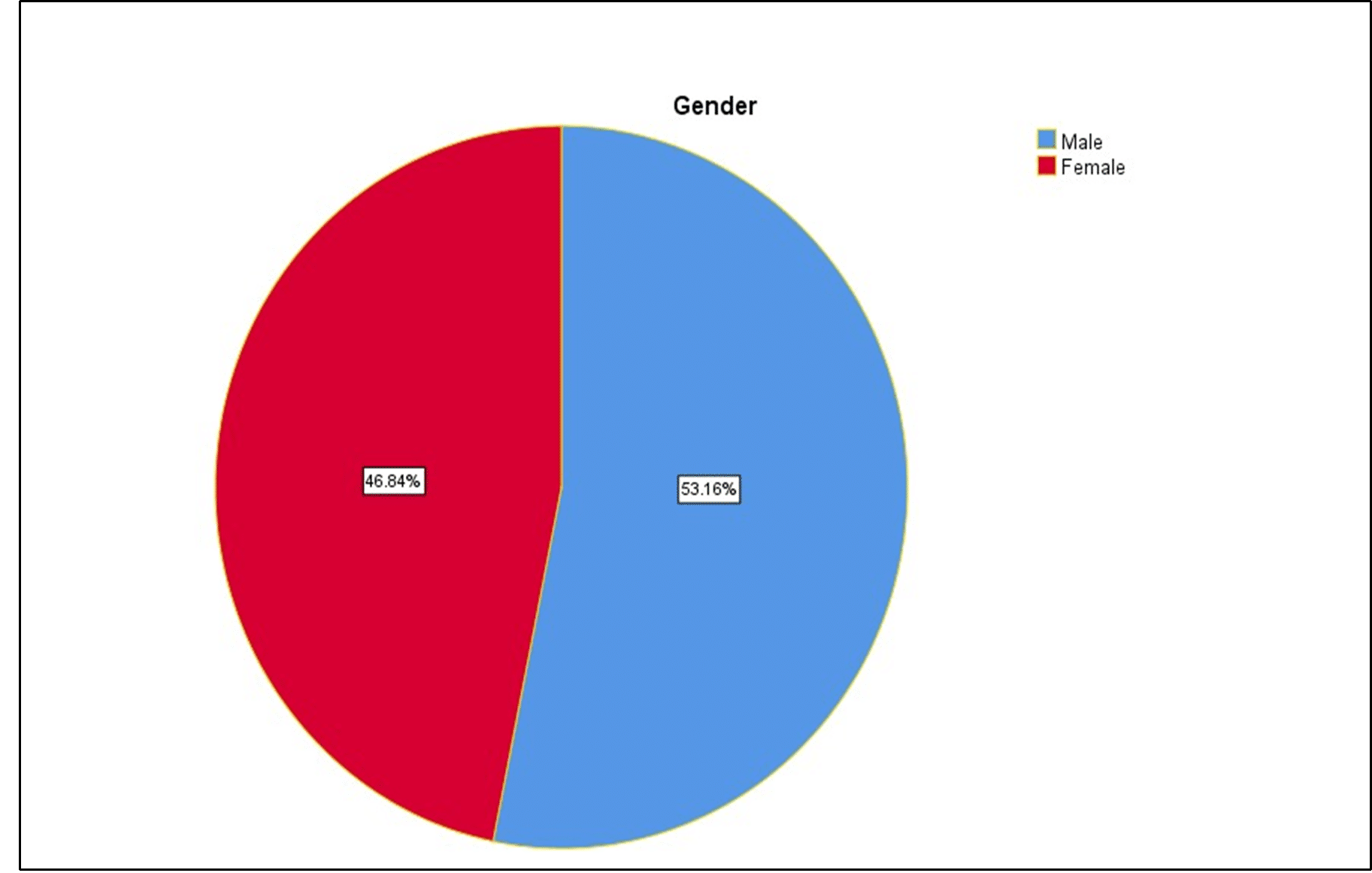
Figure 1: Gender distribution of the participants
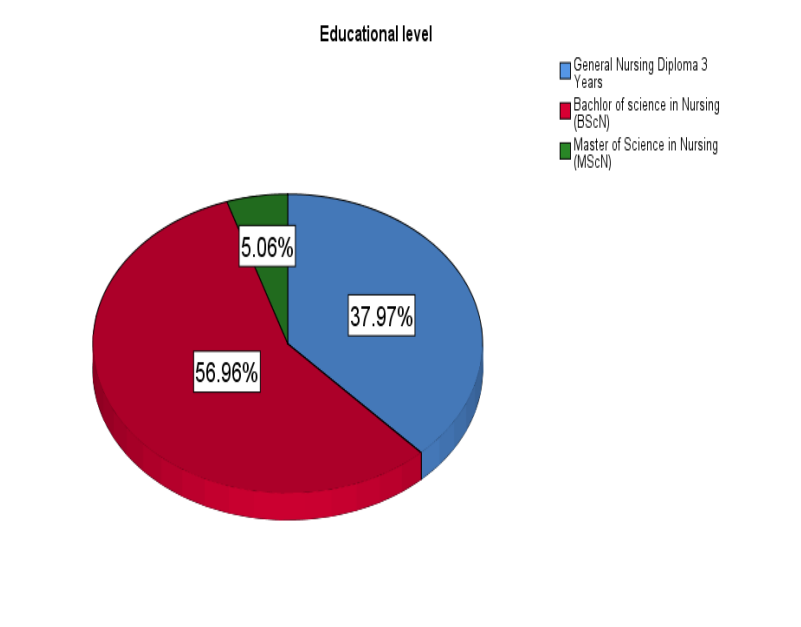
Figure 2: Educational level of the participants
Most of the participants have good knowledge regarding ‘‘The main goal of infection control is preventing and stopping transmission of infection”. Most of the participants have good knowledge regarding ‘‘Hand washing minimizes microorganisms acquired on the hands if hands are soiled. Many of the participants have good knowledge regarding ‘‘Alcohol hand rub substitutes hand washing even if the hands are soiled’’. Many of the participants have good knowledge regarding ‘‘Hand washing is indicated after removal of gloves.” Majority of the participants have good knowledge regarding ‘‘Personal protective equipment (PPEs) such as masks and head caps provide protective barriers against infection’’.
| Questions | Respond | Frequency% |
| The main goal of infection control is preventing and stopping transmission of infection | True | 75 (94.9%) |
| Hand washing minimizes microorganisms acquired on the hands if hands are soiled | True | 72 (91.1%) |
| Alcohol hand rub substitutes hand washing even if the hands are soiled | False | 38 (48.7%) |
| Hand washing is indicated after removal of gloves | True | 106 (106%) |
| PPEs such as masks and head caps provide protective barriers against infection | True | 68 (86.1%) |
Table 2: Knowledge questionnaires
Most of the participants had a positive attitude regarding ‘‘I feel comfortable asking every patient if they have any symptoms of infection. Majority of the participants had positive attitude regarding ‘‘Do you feel comfortable telling coughing patients to follow cough hygiene procedures’’. Majority of the participants had a positive attitude regarding ‘‘Do you believe using PPEs is important’’. Many of the participants had a positive attitude regarding ‘‘Do you believe needles should be recapped after use’’.
| Questions | Respond | Frequency% |
| I feel comfortable asking every patient if they have any symptoms of infection | Strongly Disagree | 7 (8.9%) |
| Disagree | 5 (6.3%) | |
| Neutral | 15 (19.0%) | |
| Agree | 31 (39.2%) | |
| Strongly agree | 21 (26.6%) | |
| Do you feel comfortable to tell coughing patients to follow cough hygiene procedures | Strongly disagree | 4 (5.1%) |
| Disagree | 3 (3.8%) | |
| Neutral | 12 (15.2%) | |
| Agree | 28 (35.4%) | |
| Strongly agree | 32 (40.5%) | |
| Do you believe using PPE is important | Strongly disagree | 6 (7.6%) |
| Disagree | 4 (5.1%) | |
| Neutral | 5 (6.3%) | |
| Agree | 19 (24.1%) | |
| Strongly agree | 45 (57.0%) | |
| Do you believe needles should be recapped after use
|
Strongly disagree | 19 (24.1%) |
| Disagree | 6 (7.6%) | |
| Neutral | 12 (15.2%) | |
| Agree | 20 (25.3%) | |
| Strongly agree | 22 (27.8%) |
Table 3: Attitude questionnaires
Most of the participants were good practice regarding ‘‘Do you follow recommended guidelines for use of alcohol and other antiseptics after lifting and moving patients?’. The majority of the participants practiced good hygiene regarding ‘‘Do you discard waste immediately into your container?’. The majority of the participants practiced moderate levels regarding ‘‘Do you discard sharp materials separately from other wastes?’’. Most of the participants were moderately practiced regarding “Do you have a written guideline on waste disposal?’’.
| Questions | Respond | Frequency% |
| Do you follow recommended guidelines for use of alcohol and other antiseptics after lifting and moving patient? | Yes | 64 (81.0%) |
| Do you discard waste immediately into their container?
|
Yes | 63 (79.7%) |
| Do you discard sharp materials separately from other wastes? | Yes | 54 (68.4%) |
| Do you have written guideline on waste disposal? | Yes | 56 (70.9%) |
Table 4: Practice questionnaires
Discussion
The demographic characteristics of our study are similar in many aspects to a study conducted in private hospitals in Sana’a city of Yemen. The findings from their study show that 61.2% of the participants in their study were males, 71.8% of participants were aged 25 years and above. 60% of the participants’ nurses have 3 3-year nursing diploma education.[10-12] The demographic findings from our study are closely related to the above study findings. In term of gender, majority of the participants 53.2% were males in our study. Majority of the participants, 48.1%, have age between 30 to 39 years. This means that the age of the participants in the existing study and our study are closely related. Mostly, participants in our study, 57%, have a bachelor’s degree in nursing, while in the existing study 3 3-year diploma nurses were in the majority as participants, so we have a smaller number of 3-year nursing diploma participants as related to the above study findings. The findings from the current studies show that the majority of the participants, 80%, were found to have adequate knowledge about infection prevention and control.[13-15] From the findings of our study, the majority of nurses have adequate knowledge about infection prevention and control. Hence, it shows that the results from our study regarding knowledge about infection prevention and control are closely related to the above study results. Results from the study conducted within tertiary healthcare hospital in Zambia shows that, Majority of the participants have positive attitude towards infection prevention and control with the mean score of 81.37. The findings from our study show that 83.5% of participants have a negative attitude towards infection prevention and control, with a mean score of less than 75. This shows that the findings from the existing study and our study are completely different from each other. Findings from a study conducted in private hospitals in Sana’a city of Yemen show that the majority of nurses, 71% of the total participants, have a fair level of practice regarding infection prevention and control.[16-19] Findings from our study shows that majority of the participants 97.5% have satisfactory practices regarding infection prevention and control. This shows that the findings from our study related to the practice of nurses regarding infection prevention and control are somehow related to the above existing study.
Limitation: The current study used cross-sectional study design to identify the knowledge, attitude and practice of nurses regarding infection prevention and control was check in our study because nurses spend more time with patients at bedside, while other health care workers are excluded in our study, but they are also involved in transmission of nosocomial infections.
Recommendation: The results of our study recommended that fewer than half of the participants have poor knowledge regarding infection prevention and control. Majority of the participants, 83.5%, have a negative attitude towards infection prevention and control. Only 2.5% of participants have poor practice.
Conclusion
The researchers clearly state, based on study findings, that the majority of nurses have adequate knowledge regarding infection prevention and control (IPC), but the attitude of the majority of nurses was negative towards IPC. The practices regarding infection prevention and control were satisfactory to the majority of nurses.
References
- Inweregbu K, Dave J, Pittard A. Nosocomial infections. Contin Educ Anaesth Crit Care Pain. 2005;5(1):14-17. doi:10.1093/bjaceaccp/mki006 Crossref | Google Scholar
- Pittet D, Allegranzi B, Storr J, et al. Infection control as a major World Health Organization priority for developing countries. J Hosp Infect. 2008;68(4):285-292. doi:10.1016/j.jhin.2007.12.013 PubMed | Crossref | Google Scholar
- Danasekaran R, Mani G, Annadurai K. Prevention of healthcare-associated infections: protecting patients, saving lives. Int J Community Med Public Health. 2014;1(1):67. doi:10.5455/2394-6040.ijcmph20141114 Crossref | Google Scholar
- Trilla A. Epidemiology of nosocomial infections in adult intensive care units. Intensive Care Med. 1994;20 Suppl 3:S1-4. doi:10.1007/BF01745243 PubMed | Crossref | Google Scholar
- Edwardson S, Cairns C. Nosocomial infections in the ICU. Anaesth Intensive Care Med. 2019;20(1):14-18. doi:10.1016/j.mpaic.2018.11.004 Crossref | Google Scholar
- Dasgupta S, Das S, Chawan NS, Hazra A. Nosocomial infections in the intensive care unit: Incidence, risk factors, outcome and associated pathogens in a public tertiary teaching hospital of Eastern India. Indian J Crit Care Med. 2015;19(1):14-20. doi:10.4103/0972-5229.148633 PubMed | Crossref | Google Scholar
- Eskander HG, Youssef W, Morsy M, Elfeky H. Intensive care nurses’ knowledge and practices regarding infection control standard precautions at a selected Egyptian cancer hospital. J Educ Pract. 2013;4(19):160-174. Intensive care nurses’ knowledge and practices regarding infection control standard precautions at a selected Egyptian cancer hospital
- Dhedhi NA, Ashraf H, Jiwani A. Knowledge of standard precautions among healthcare professionals at a Teaching Hospital in Karachi, Pakistan. J Family Med Prim Care. 2021;10(1):249-253. doi:10.4103/jfmpc.jfmpc_1622_20 PubMed | Crossref | Google Scholar
- Emori TG, Culver DH, Horan TC, et al. National nosocomial infections surveillance system (NNIS): description of surveillance methods. Am J Infect Control. 1991;19(1):19-35.
doi:10.1016/0196-6553(91)90157-8 PubMed | Crossref | Google Scholar - Alrubaiee G, Baharom A, Shahar HK, Daud SM, Basaleem HO. Knowledge and practices of nurses regarding nosocomial infection control measures in private hospitals in Sana’a City, Yemen. Saf Health. 2017;3(16). doi:10.1186/s40886-017-0067-4 Crossref | Google Scholar
- Shitemo KC. A study on nurses knowledge, attitude and practices of infection prevention and control at a private hospital in Namibia. Master’s thesis. Stellenbosch University; 2020. A study on nurses knowledge, attitude and practices of infection prevention and control at a private hospital in Namibia
- Chitimwango PC. Knowledge, attitudes and practices of nurses in infection prevention and control within a tertiary hospital in Zambia. Master’s thesis. Stellenbosch University; 2017. Knowledge, attitudes and practices of nurses in infection prevention and control within a tertiary hospital in Zambia
- Scott R. The Direct medical costs of healthcare-associated infections in U.S. hospitals and the benefits of prevention. 2009. The Direct medical costs of healthcare-associated infections in U.S. hospitals and the benefits of prevention
- Sherwood G, Drenkard K. Quality and safety curricula in nursing education: matching practice realities. Nurs Outlook. 2007;55(3):151-155. doi:10.1016/j.outlook.2007.02.004 PubMed | Crossref | Google Scholar
- Hughes AJ, Ariffin N, Huat TL, et al. Prevalence of nosocomial infection and antibiotic use at a university medical center in Malaysia. Infect Control Hosp Epidemiol. 2005;26(1):100-104. doi:10.1086/502494 PubMed | Crossref | Google Scholar
- Khan HA, Baig FK, Mehboob R. Nosocomial infections: Epidemiology, prevention, control and surveillance. Asian Pac J Trop Biomed. 2017;7(5):478-482. doi:10.1016/j.apjtb.2017.01.019 Crossref | Google Scholar
- Perlroth J, Choi B, Spellberg B. Nosocomial fungal infections: epidemiology, diagnosis, and treatment. Med Mycol. 2007;45(4):321-346. doi:10.1080/13693780701218689 PubMed | Crossref | Google Scholar
- Abalkhail A, Al Imam MH, Elmosaad YM, et al. Knowledge, Attitude and Practice of Standard Infection Control Precautions among Health-Care Workers in a University Hospital in Qassim, Saudi Arabia: A Cross-Sectional Survey. Int J Environ Res Public Health. 2021;18(22):11831. doi:10.3390/ijerph182211831 PubMed | Crossref | Google Scholar
- Wenzel RP, Edmond MB. The impact of hospital-acquired bloodstream infections. Emerg Infect Dis. 2001;7(2):174-177. doi:10.3201/eid0702.010203 PubMed | Crossref | Google Scholar
Acknowledgments
Not reported
Funding
Not reported
Author Information
Corresponding Author:
Babar Alam
Department of Philosophy
Riphah International University, Islamabad, Pakistan
Email: babarkhanf110@gmail.com
Co-Authors:
Fayaz Ahmad, Shahimand Khan, Luqman Khan Abdullah, Habibullah, Mauz Khan, Naveed Khan, Yousaf Shah
Department of Philosophy
Riphah International University, Islamabad, Pakistan
Authors Contributions
All authors contributed to the conceptualization, investigation, and data curation by acquiring and critically reviewing the selected articles. They were collectively involved in the writing – original draft preparation, and writing – review & editing to refine the manuscript. Additionally, all authors participated in the supervision of the work, ensuring accuracy and completeness. The final manuscript was approved by all named authors for submission to the journal.
Ethical Approval
Participation in the study was entirely voluntary. Ethical approval was obtained from Riphah International University, and informed consent forms were signed by all participants to ensure confidentiality.
Conflict of Interest Statement
Not reported
Guarantor
None
DOI
Cite this Article
Babar A, Fayaz A, Shahimand K, et al. Knowledge, Attitude and Practice of Critical Care Nurses Regarding Infection Control Standard Measures at Saidu Group of Teaching Hospital. medtigo J Med. 2024;2(4):e30622457. doi:10.63096/medtigo30622457 Crossref