








 Author Affiliations
Abstract
Background: Despite experiencing reproductive processes similar to those without Human immunodeficiency virus (HIV), women living with HIV frequently receive insufficient attention concerning contraception, and data on this is limited, especially in Burundi. This study aims to identify the factors that affect the uptake of contraception among women living with HIV in the Bujumbura province of Burundi.
Methodology: The data for this cross-sectional study were collected from women of reproductive age, 18-49 years, using an interviewer-administered questionnaire. Both bivariate and multivariate analyses were used to identify the factors that affect the uptake of contraception among women living with HIV in Bujumbura.
Results: A total of 386 individuals participated in the study, with a current contraceptive usage prevalence of 49.2%. The most used contraceptive method was injectables (49.5% of the participants). Not being sexually active enough (27.6%), Unmet need to space (23.5%), not knowing if it is indicated for women living with HIV (13.3%), and Partner opposition (8.2%) are the main reasons stated by our participants for not using modern contraceptives. Factors such as the duration of living with HIV (Odds ratio (OR): 1.38, 95% confidence interval (CI): 1.08; 1.65, P-value (P) < 0.01), having 1 to 3 children (OR: 1.572, 95% CI: 1.35; 1.97), not receiving information (OR: 0.143, 95% CI: 0.065; 0.317), not receiving advice on contraceptive methods (OR: 0.284, 95% CI: 0.106; 0.517), and lack of access to needed contraception (OR: 0.421, 95% CI: 0.33; 1.84) were significantly associated with contraceptive use.
Conclusion: This study demonstrated the low prevalence of contraceptive use among Burundian women living with HIV. Conversely, there was a higher prevalence of contraceptive use among women with a university-level education, those whose partners had a negative HIV status, and women with an undetectable viral load.
Keywords
Women, Human immunodeficiency virus, Modern contraception use, Barriers, Burundi.
Introduction
Globally, 54% of 38.4 million people living with Human immunodeficiency virus (HIV) were women.[1] Unmet contraceptive needs account for about 80% of unwanted pregnancies among HIV-positive and HIV-negative women worldwide.[2] Most of the women who struggle to get contraception are from developing nations.[3]
HIV-positive women are increasingly living longer, healthier lives and pursuing the same reproductive plans as HIV-negative women due to the development and availability of highly active antiretroviral treatment (HAART).[4] Despite various health issues that might be harmful to the mother and the unborn child, individuals infected with HIV participate in sexual relations and have a desire for children.[5]
Unwanted pregnancies among women living with HIV can reach as high as 50–84%, with their attendant problems.[6] Sub-Saharan Africa experiences the highest prevalence of HIV and unintended pregnancie,s as 20–40% of births in Sub-Saharan Africa (SSA) are considered to be unplanned, and 20–35% of women are considered to have unmet contraceptive needs.[7,8] One significant and efficient strategy for primary prevention of mother-to-child transmission (PMTCT) of HIV is to avoid unplanned pregnancy among women living with HIV.[9] Contraceptive use is crucial to plan and improve pregnancy safety as well as minimize viral transmission, as rates of pregnancies after an unwanted pregnancy. It presents a unique opportunity, but with limited use by HIV-positive women in SSA, which highlights the need for more studies to better understand HIV-positive women’s needs and contraceptive behavior.[10] According to research conducted among HIV-positive women in South Africa, among 34,946 participants, 51.6% had an unintended pregnancy.[11] Different literature from East Africa showed that the contraceptive use prevalence rate among HIV-positive women of childbearing age was 79%, 57.78%, and 84% in Kenya, Ethiopia, and Tanzania, respectively.[12-14]
Numerous studies carried out in Sub-Saharan Africa revealed that HIV-positive women’s use of contraception was influenced by a variety of socio-demographic factors, including age, education, and marital status, as well as reproductive characteristics such number of children and desire to have children, as well as being on antiretroviral therapy and knowing their partner’s HIV status.[15]
The unwanted pregnancies continue to be a burden, with an approximate annual number of 14 million cases in Sub-Saharan Africa.[1] In Burundi, there were an estimated 260,000 unintended pregnancies in the year 2021.[16] According to international standards, women in SSA had comparatively high total fertility rates (TFR) with 4.3 children in the East African region, 5.2 in the West African region, and 5.5 in the Central African region.[17] With an estimated 5.5 children per woman, Burundi has the eighth highest total fertility rate out of the 86 countries for which demographic health survey (DHS) data are available, despite its strong strategy and policy focus on family planning.[18] HIV-positive women and their healthcare providers do not always have optimal conversations about contraception and pregnancy plans due to insufficient frequency and depth of discussions.[19] Several studies have shown that HIV-infected women are more likely to report unintended pregnancies, due to health provider attitudes and the fear of being disappointed by the same health provider.[20]
In sub-Saharan Africa, mother-to-child transmission accounts for about 2 million (90%) of all HIV infections in children, making vertical transmission of the virus a risk during gestation, delivery, and breastfeeding among HIV-positive women.[21,22] In Burundi, 25% of all new HIV infections among children under 5 years old were acquired through mother-to-child transmission, indicating high levels of fertility and limited use of modern contraceptives are common among HIV positive mothers. However, there is no data on the use of contraceptives among HIV-positive women in Burundi.
This study aims to assess knowledge of contraception, determine uptake of contraception, and assess the factors affecting the uptake of contraception among women living with HIV enrolled in HIV health facilities in Bujumbura province, Burundi.
Methodology
Study design and site: The study was cross-sectional, conducted between March and July 2023 in 3 health facilities providing comprehensive HIV services located in the north, central, and south of Bujumbura province. Bujumbura is the economic capital of Burundi, which is in the Eastern Africa region, the southern part of the Equator. The Democratic Republic of the Congo borders it on the west, Lake Tanganyika to the southwest, Tanzania to the east and south, and Rwanda to the north.
Study population and sample size: The data were collected from 386 women living with HIV assessing care in 3 randomly selected health facilities providing HIV services using Slovin formula for population-based research n = N / (1+Ne^2). The health facilities are in the capital of Bujumbura province. The eligibility criteria for the women living with HIV included in this study were residency in the capital of Bujumbura province, aged between 18 and 49 years, and in a sexual relationship but not desirous of pregnancy.
Site and participant selection: The health facilities in Bujumbura are divided into three regions of North, South, and Central. This study was among participants from three health facilities providing comprehensive HIV services, one in each of the regions. A three-stage multistage sampling technique was used to select participants. In the first stage, the health facilities of people living with HIV in the north, central, and south areas of Bujumbura province were listed. In the second stage, a health facility from each region was chosen according to the highest number of people living with HIV receiving care per month. Participants in this study were chosen at the third stage using the systematic random sampling technique from the selected health facilities. The number of participants from each facility is proportional to the number of patients receiving care in the facility.
Data collection: The questionnaire adapted from (Hanafy & El-Esawy, 2015) was divided into 4 sections: The first section looked at demographic and socioeconomic characteristics of participants, the second section evaluated the HIV status of participants, the third section examined the reproductive factors and contraception, and the fourth section examined the participant’s barriers to using contraception. To assist with data collection, six nurses were trained as research assistants. The objectives of the study and ethical concerns were the main topics of this rigorous training. Each survey question was explained, and any areas that were unclear were discussed and resolved. The questionnaire was further improved as needed through debriefing after each stage of this trial project. The data was collected using an interviewer-administered technique for the 386 participants.
Data management and data analysis: The collected data was processed and properly coded. The IBM statistical package for social sciences (SPSS) version 24 was subsequently used to enter and evaluate the data. To tabulate the variables, frequencies and percentages were used. The analysis used both descriptive and inferential statistics. To determine the significance of the relationship between independent and dependent variables, the bivariate analysis was considered. The interpretation relied on the probability associated with the chi-square (P-value). A probability exceeding 5% indicates a lack of relationship between these variables. Multivariate analysis was used to control hidden influences, enabling the assessment of the pure effects of the variables. Since our dependent variable is qualitative with two categories, binary logistic regression, a multivariate analytical method, was used to identify the factors affecting contraception uptake among women of reproductive age living with HIV in Bujumbura.
Results
Participants and site distribution: Of the 386 respondents, 184 (47.7%) were recruited from Centre Yezu Mwiza, 142 (36.8%) from Society for Women and AIDS in Africa (SWAA), Burundi, and 60 (15.5%) from APECOS.
Socio-demographic characteristics of participants: The preponderance of our participants was married (39.1%), with single individuals making up the second largest group at 29.5%. A substantial portion of the participants (45.6%) reported being unemployed, while a smaller percentage (21.2%) identified as self-employed. Almost two-thirds (63.2%; catholic =48.7% and protestant = 14.5%) of our study’s participants were Christians, 29.3% were Muslims, and other religions constituted the remaining 7.5%.
| Variables | Frequency | Percentage |
| Health centers (n=386)
SWAA Burundi Centre Yezu Mwiza APECOS |
142 184 60 |
36.8 47.7 15.5 |
| Age (n=386)
18-24 25-34 35-49 |
57 186 143 |
14.8 48.2 37.0 |
| Education (n=386)
No formal education Primary Secondary University |
109 145 120 12 |
28.2 37.6 31.1 3.1 |
| Religion (n=386)
Christians Muslim Other |
244 113 29 |
63.2 29.3 7.5 |
| Occupation (n=386)
Unemployed Daily labor Government employee Private sector employee Self-employee |
176 105 9 14 82 |
45.6 27.2 2.3 3.6 21.2 |
| Marital status (n=386)
Single Married Divorced/Separated Widow |
114 151 88 33 |
29.5 39.1 22.8 8.5 |
Table 1: Distribution of respondents by socio-demographic characteristics
In our study, every participant indicated that they received information about modern contraceptives. The sources mentioned by the participants were healthcare facilities (87.8%), media (43.5%), friends/peers (33.1%), schools (10.8%), and family members (7.5%).
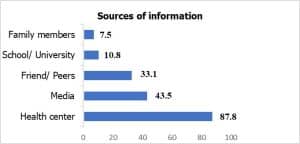
Figure 1: Sources of information regarding modern contraception
Modern contraceptive use among participants: During the study, almost half of our participants (49.2%) utilized modern contraception. Among this group, the majority, constituting nearly half (49.5%), used injectables, while 19.5% utilized contraceptive pills, and less than 1% (0.5%) chose female sterilization. The primary motivation reported by the majority (46.8%) for using contraception was to limit the number of births, with 31.1% utilizing it for birth spacing. In 4.2% of cases, participants expressed concerns about leaving behind young orphans.
| Variables | Frequency (n) | Percentage (%) |
| Use of any kind of contraception (n=386)
Yes No |
190 196 |
49.2 50.8 |
| Kind of contraception using (n=190)
Injectables Pills Condoms Implants IUD Female sterilization |
94 37 27 24 7 1 |
49.5 19.5 14.2 12.6 3.7 0.5 |
| Reasons of using Contraception (n=190)
To space To limit births Economic issues for child rearing Hearing advice or counselling of health workers Fear of leaving orphans |
59 89 13 21 8 |
31.1 46.8 6.8 11.1 4.2 |
| Who makes decisions to use contraception (n=190)
The participant The partner Together the partner and the participant |
81 12 97 |
42.6 6.3 51.1 |
Table 2: Use of modern contraception among participants
More than half of our participants (50.8%) did not use contraception during the study. The reasons for not using it varied, with 27.6% mentioning that they didn’t consider themselves to be sexually active enough, 18.4% experiencing unmet needs for birth spacing, and the same percentage (18.4%) being unaware that contraception is recommended for women living with HIV. On the other hand, 8.2% encountered opposition from their partners who refused because almost half of them (43.8%) desired more children, 31.3% cited religious prohibitions, and a quarter expressed concerns about potential harm to their wives’ health.
A significant majority of our participants (83.4%) reported having received counseling on contraception, and nearly all of them (96%) were well-informed about the potential side effects and what steps to take in case of such effects.
| Variables | Frequency (n) | Percentage (%) |
| Reasons for not using contraceptives (n=196)
Not know if it is indicated for woman living with HIV Unmet need to space Unmet to limit births Desire birth in 2 years Not enough sexually active Side effects Religious prohibition Partner opposition Fear of drugs interactions Long distance and expensive cost of travel to health center Bad experience of a previous use of contraception by a friend or family member |
26 46 12 18 54 11 10 16 2 1 1 |
13.3 23.5 6.1 9.2 27.6 5.6 5.1 8.2 1.0 0.5 0.5 |
| Reasons for Partner opposition (n= 16)
He wants more children Religion prohibition It harms the health |
7 5 4 |
43.8 31.3 25.0 |
| Ever been counseled about contraception by ART providers (n=386)
Yes No |
322 64 |
83.4 16.6 |
| Have been informed about side effect and what to do in case (n=322)
Yes No |
309 13 |
96.0 4.0 |
| Feelings if unexpectedly gets pregnant (n=386)
Feel sad Feel happy Indifferent |
281 89 16 |
72.8 23.1 4.1 |
| Thinking if it’s safe to use contraception by a woman living with HIV (n=386)
Yes No |
345 41 |
89.4 10.6 |
| Is it easy to get the contraception when is needed? (n=386)
Yes No |
379 7 |
98.2 1.8 |
| The contraception desired is always available? (n=386)
Yes No |
383 3 |
99.2 0.8 |
| Evaluation of the attitude of health providers at ART clinics on contraceptives methods (n=386)
The health workers don’t provide easily the contraceptives methods to those who want to use it The health workers don’t provide enough information about family planning The health workers promote and provide contraceptives methods easily |
6 85 295 |
1.6 22.0 76.4 |
Table 3: Assessment of barriers to modern contraceptive use among participants
The majority believed that contraception was safe for women living with HIV. Furthermore, almost all of them (98.2% and 99.2%) claimed that they could easily access contraception when needed, and the specific type of contraception they desired was consistently available.
Over three-quarters of our participants (76.4%) believed that health providers at ART clinics effectively promoted and readily provided contraceptive methods, while 22.0% noted that these healthcare workers did not offer sufficient information about family planning.
Factors associated with modern contraceptive use: Different factors associated with contraceptive use were noticed through the bivariate analysis. Among the socio-demographic variables examined, only age, religion, and education demonstrate statistical significance at the 5% threshold, indicated by their p-values being below 0.05. The data reveals that individuals aged between 25 to 34 (considered as middle age) exhibit the highest usage of contraceptive methods compared to other age groups, followed by those aged 35 to 49. The least utilization of contraceptive methods is observed among the youngest individuals aged 15 to 24, which can be attributed to the fact that most of them are single or still pursuing their education. Muslims demonstrate the lowest utilization of contraception methods at 55.9%, followed by Christians at 55.3%.
The use of contraception is notably elevated among individuals with a university-level education, recorded at 57.1%, and it follows those at the secondary level, standing at 50.7%. There is an evident trend showing an increase in the use of contraceptive methods with higher levels of education. Marital status and occupation are found not to be statistically significant at the 5% threshold, given that their p-values exceed 0.05.
|
Variables |
Modalities |
Contraception use |
Chi-square |
P-value |
|
| Yes (%) | No (%) | ||||
|
Age |
15 – 24 years | 35.7 | 64.3 |
12.083 |
0.002 |
| 25 – 34 years | 59.5 | 40.5 | |||
| 35-49 years | 45.8 | 54.2 | |||
|
Religion |
Christians | 55.3 | 44.6 |
2.644 |
0.267 |
| Muslim | 55.9 | 44.1 | |||
| Other | 42.9 | 57.1 | |||
|
Marital status |
Single | 52.2 | 47.8 |
2.257 |
0.521 |
| Married | 53.3 | 46.7 | |||
| Divorced | 49.4 | 50.6 | |||
| Widow | 39.4 | 60.6 | |||
|
Education |
No formal education | 33.3 | 66.7 |
8.704 |
0.031 |
| Primary | 46.8 | 53.2 | |||
| Secondary | 50.7 | 49.3 | |||
| University | 57.1 | 42.9 | |||
|
Occupation |
Unemployed | 54.6 | 45.4 |
6.631 |
0.153 |
| Daily labor | 52.9 | 47.1 | |||
| Government employee | 66.7 | 33.3 | |||
| Private sector employee | 50.0 | 50.0 | |||
| Self-employee | 39.0 | 61.0 | |||
Table 4: Socio-demographic factors associated with modern contraceptive use
In our research findings, approximately 43% of the participants had been living with HIV for more than a decade, while about 29.3% had experienced the diagnosis within the 1 to 5-year range. Concerning the effectiveness of ART, most of the participants (59.8%) reported highly positive outcomes since starting ART, 37.3% indicated relatively positive results, and a minimal percentage (0.8%) encountered less favorable responses. Regarding the initiation of ART, approximately 41.5% of participants commenced treatment a decade ago, and 29.8% initiated within the 1 to 5-year timeframe. It is noteworthy that a small fraction of participants did not adhere to ART guidelines upon their initial HIV diagnosis. Over 75.9% of the participants maintained an undetectable viral load throughout the study, while 12.7% were uncertain about their viral load status. A significant proportion, specifically 76.8%, of the participants’ partners underwent HIV testing, with a corresponding 75.6% confirming an HIV- positive status. Only 2.9% of participants were unsure about the HIV status of their partners.
All the variables related to reproductive health characteristics considered in this study were reported to be statistically significant at 5% threshold revealing a strong association with the use of modern contraceptive methods. The analysis revealed that individuals with 1 to 3 children were more likely to adopt modern contraceptive methods, while those with no children were less inclined to use them. This pattern could be attributed to a comprehensive understanding of the Burundian government’s policy, emphasizing the notion that individuals should have children they can adequately support.
A significant majority of our participants (83.4%) reported having received counseling on contraception. Additionally, it was observed that individuals who received advice about contraceptives from ART providers were more likely to use modern contraceptive methods. This underscores the pivotal role that health workers play in influencing the adoption of modern contraception methods. The use of contraception decreases when there is a lack of access to the required contraceptives. The attitude of ART providers was also found to be statistically significant at a 5% threshold with a P-value=0.029. Women are most likely to use modern contraceptive methods where the health workers promote and provide contraceptive methods easily.
|
Variables |
Modalities |
Contraception use |
Chi-square |
P-value |
|
| Yes (%) | No (%) | ||||
|
Time living with HIV |
1-5 years | 43.3 | 56.7 | 17.937 | 0.000 |
| 6-10 years | 68.2 | 31.8 | |||
| >10 years | 45.5 | 54.5 | |||
|
HIV status of the partner |
Positive | 59.5 | 40.5 | 9.226 | 0.028 |
| Negative | 65.1 | 34.9 | |||
| Unknown | 33.3 | 66.7 | |||
|
Currently viral load |
Detectable | 50.0 | 50.0 | 7.410 | 0.038 |
| Undetectable | 54.0 | 46.0 | |||
| Unknown | 34.0 | 66.0 | |||
| Children living | None | 18.8 | 81.3 | 32.708 | 0.000 |
| 1-3 | 59.1 | 40.9 | |||
| 4 and more | 54.4 | 45.6 | |||
| Ever been advised about contraceptives by ART providers? | Yes | 58.5 | 41.5 | 58.079 | 0.000 |
| No | 9.7 | 90.3 | |||
| Accessibility of the contraception needed | Yes | 55.3 | 44.7 |
28.827 |
0.000 |
| No | 8.3 | 91.7 | |||
| Availability of the contraception desired | Yes | 51.3 | 48.7 |
3.136 |
0.077 |
| No | 0.0 | 100.0 | |||
| Evaluation the attitude of health providers at your ART clinics on contraceptives methods | The health workers don’t easily provide the contraceptives methods to those who want to use it | 54.1 | 45.9 | 6.827 | 0.029 |
| The health workers don’t provide enough information about family planning | 38.6 | 61.4 | |||
| The health workers promote and provide contraceptives methods easily | 66.7 | 33.3 | |||
Table 5: Other factors associated with modern contraceptive use
Multivariate analysis of factors associated with modern contraception use: The time spent living with HIV can influence contraception use in various ways, as individuals may have different reproductive health needs and considerations at different stages of their life with the virus. Women living with HIV for a duration of 6 to 10 years have almost 1.4 times higher odds of contraceptive utilization compared to those living with it between 1 and 5 years (OR: 1.38, 95% CI: 1.08; 1.65, P < 0.01). From the results of the table, Women with negative HIV partner Status have more than 4 times higher odds of contraception use compared to those with partners who have positive HIV status (OR: 4.699, 95% CI: 1.236; 17.869, P < 0.05).
Women who have between 1 and 3 children have approximately 2 times higher odds of contraception use relatively to those who do not have any children (OR: 0.143, 95% CI: 1.10; 3.30, P < 0.001). Likewise, women who have 4 or more children have approximately 1.6 times higher odds of contraception use relative to those who do not have any children (OR: 1.572, 95% CI: 1.35; 1.97, P < 0.001). Women who did not receive advice regarding the contraceptive methods had almost 72% lower odds of contraception use compared to those who got advice (OR: 0.284, 95% CI: 0.106; 0.517, P < 0.001). Women who do not have access to needed contraception have 60% lower odds of contraception use compared to those who have access (OR: 0.421, 95% CI: 0.33; 1.84, P < 0.01).
| Variable | Contraceptive Utilization, OR (95% CI) | ||||
| Religion | Christians | Reference | |||
| Muslims | 1.093 | (0.262;1.265) ns | |||
| Other | 0.529 | (0.823;5.000) ns | |||
| HIV time | 1-5 years | Reference | |||
| 6-10 years | 1.381 | (1.082;1.654) ** | |||
| >10years | 0.966 | (0.966; 0.529)ns | |||
| Partner status | Positive | Reference | |||
| Negative | 4.699 | (1.236;17.869) * | |||
| Unknown | 0.902 | (0.537; 1.516)ns | |||
|
Children number |
None | Reference | |||
| 1-3 | 1.959 | (1.106;3.301) *** | |||
| 4 and more | 1.572 | (1.353; 1.972)*** | |||
| Information | Yes | Reference | |||
| No | 0.143 | (0.065; 0.317)*** | |||
| Contraception advice | Yes | Reference | |||
| No | 0.284 | (0.106; 0.517)*** | |||
| Accessibility of
Contraception needed |
Yes | Reference | |||
| No | 0.421 | (0.331-1.846) ** | |||
| Health workers attitude | The health workers don’t easilyprovide the contraceptives methods to thosewho want to use it | Reference | |||
| Health don’t provide information | workers enough about family planning | 0.736 | (0.647-0.923) ** | ||
| Health promote and contraceptives methods easily | Workers Provide information | 2.412 | (1.902; 3.743)* | ||
Table 6: Logistic regression odds of the associates of modern contraceptive use
Discussion
Our research was carried out among women aged 18 to 49 living with HIV and residing in Bujumbura, the capital of Burundi. People living with HIV, including women, are often inadequately addressed in terms of contraception, even though they undergo reproductive processes similar to others. The objective of our study is to evaluate their knowledge regarding contraception, prevalence, and barriers to their use of contraception.
The predominant age group among our survey participants was between 25 and 34 years old. A significant proportion identified as Christians, especially the Catholic denomination. This might reflect the 2008 Burundi national census, where 62% were reported as Catholic, 21.6% as Protestant, and 2.3% as Adventist. In terms of education, the majority held a primary level of study (37.6%), followed by those with a secondary level of education. An assessment of the employment status of our study participants showed that 45.6% were unemployed and only 21.2% were engaged in entrepreneurial activities. These findings depicted a profile typical of an urban setting, where most of the respondents had completed high school but faced a notable level of unemployment. Additionally, there was a subset of women who were homemakers rather than pursuing self-sufficiency.
Concerning the marital status of our participants, over a third (39.1%) were married, and fewer than twenty-five percent were divorced or separated. Our findings align with studies conducted in various locations, such as Ghana, Enemay District, Northwest Ethiopia, Kenya, and Uganda, where the percentages of married participants were 38.7%, 59.3%, 42.6%, and 63%, respectively.[12,23-25] Our results differ slightly from studies conducted in India, Oromia state in Ethiopia, Amhara region in Ethiopia, and Eritrea, where, respectively, 0.4%, 1.1%, 6.8%, 11%, and 15.8% of the participants were reported as single.[9,26-28] This demonstrates that, in these countries, the prevalence of infection is declining among young women, indicating that the implemented measures for the combat and prevention of HIV are yielding favorable outcomes.
In our findings, it was revealed that over 43% (166) of the participants had been living with HIV for a decade or more, and more than half, 59.8% (231), reported being in excellent health. Additionally, over three-quarters of the participants exhibited an undetectable viral load. This can be attributed to diligent observation, adherence to prescribed medications, and the practical implementation of the World Health Organization’s goal of achieving an undetectable burden and enhanced health for individuals living with HIV in Burundi. Burundi received special recognition at COP23 in Johannesburg for the remarkable achievements it accomplished in fulfilling the UNAIDS targets of 95-95-95 by 2030.[29]
In this study, most of our respondents (75%) reported that their partners were HIV positive. This suggests a heightened concern for the health of their families and a desire to ensure proper care in case of HIV positivity. Among these participants, 82.9% (320) had one child or more, with 56% having between one and three children, and 26.9% having four or more. This inclination toward larger family sizes could be attributed to religious influences and cultural practices from Burundi, which often associate a larger family size with happiness and beauty.[29] Our results diverge from studies carried out in Latvia, Tanzania, and Western Ethiopia, where most of their participants, 31.4%, 54.3%, and 34.8%, respectively, had been living with HIV for one to five years.[14,30,31] This difference can be attributed to the enhanced HIV control measures implemented in Burundi over the past decade. Our results closely align with studies conducted in Latvia, particularly regarding the prevalence of undetectable viral loads among individuals in relation to their partners’ serological status. Additionally, our findings regarding the HIV status of partners are consistent with studies conducted in northwest Ethiopia, Nepal, and the Amhara region of Ethiopia, where 81.3%, 85.1%, and 73.6% of participants, respectively, reported having HIV- positive partners.[24,28,32]
In our study, fewer than half of the participants, accounting for 49.2%, utilized contraceptive methods. Our findings were closely similar to findings in Ghana, Southwest, and Northern Uganda, where less than half of the participants, at 42.6%, 28%, and 36% respectively, were reported to use contraception.[25,33,34] Conversely, our results deviate from those findings in Tanzania, western Ethiopia, Togo, and Zambia, where higher numbers of their studies’ participants, at 67.6%, 75%, 74.7%, and 99%, respectively, reported using contraceptive methods.[14,15,35] The lower rate of contraceptive method usage among HIV-positive Burundian women may be attributed to misconceptions and misinformation regardingthe potential negative effects of these methods.
According to our findings, injectables emerged as the most prevalent modern method of birth control, utilized by 49.5% of the respondents, followed by pills, which were used by 19.5%. Our results align with those from the Amhara region, the western part of Ethiopia, and the northwest region of the country, where injectables were predominantly employed at rates of 43.5%, 42.8%, and 44.8%, respectively.[24,28,31] Conversely, our findings differ from those obtained in Eritrea, Togo, and Zambia, where the highest percentage of condom users was reported at 45.5%, 74.5%, and 60%, respectively.[9,15,35]
In terms of associative factors, age, religion, and education exhibit statistical significance in relation to contraceptive use. Women aged 25 to 34 (middle age) are more likely to use contraceptive methods than those in other age groups. Conversely, the non-utilization of contraceptive methods is higher among the youngest group (18 to 25). It is evident that the use of contraception varies across age categories. Similar findings have been reported in Eritrea and Zambia.[35,36] This can be attributed to the physiological changes that occur in the years leading up to menopause.
Muslim women were reported to be significantly less likely to use modern contraceptives than Christians. This disparity may be attributed to the diversity of beliefs and practices within religious communities. Furthermore, women living with HIV for a duration of 6 to 10 years exhibited a significantly higher likelihood of utilizing contraceptives compared to those living with it for 1 to 5 years. Similar findings have been reported in the Amhara region in Ethiopia.[28] This discrepancy may be explained by the fact that women who have lived with HIV for a longer duration may possess a heightened awareness of the risks associated with HIV transmission from mother to child compared to those recently diagnosed. Consequently, they may be more inclined to utilize contraception.
Contraceptive utilization is observed to be highest among individuals with a university-level education, followed by those with a secondary education. This pattern indicates an increasing trend in contraceptive methods used with higher levels of education. Similar findings have been reported in Cameroon, India, and Nepal.[26,32,36] Attending educational institutions enables women to analyze reproductive health information more effectively, enhancing their ability to comprehend the benefits and drawbacks of various contraceptive techniques.[15]
Women whose partners had a negative HIV status were notably more inclined to use contraception compared to those with partners who tested positive for HIV. This finding aligns with results observed in the northwest region of Ethiopia. The rationale behind this trend may be attributed to women’s desire to safeguard their partners through dual contraception, aiming to have fewer children so that parents can have an extended lifespan to raise them. Women with children were significantly more likely to use contraception compared to those without any children. Similar findings have been reported in Cameroon.[35,36] The rationale behind this trend is that women without children may have the desire to have at least one, while those with more children may be motivated to limit the number of births.
Women who lack access to needed contraception are significantly less likely to use contraception compared to those with access. Conversely, women situated in environments where health workers readily promote and provide contraceptive methods are significantly more likely to use contraception compared to those in settings where health workers do not facilitate easy access to contraceptives for those who wish to use them.
Conclusion
This study revealed a low prevalence of contraceptive use among women living with HIV in Bujumbura, Burundi. All participants indicated that they had already received information about contraceptive methods. A notable proportion of participants were aware of their partners’ HIV status, with the majority having partners who were HIV positive. Among the contraceptive methods, injectables were the most familiar to the participants.
Most participants affirmed that health personnel actively disseminate information and advocate for knowledge about contraceptive methods, and nearly all of them stated that the desired methods are accessible and available. Women who did not receive adequate information and advice regarding contraceptive methods were less likely to use contraception.
Contraceptive non-utilization is observed to be higher among the youngest participants, while contraception utilization is notably higher among those with a university-level education. Women with HIV negative partners and those with an undetectable viral load are identified as the primary users of contraception.
References
- Mitchell HS, Stephens E. Contraception choice for HIV-positive women. Sex Transm Infect. 2004;80(3):167-173. doi:10.1136/sti.2003.008441 PubMed | Crossref | Google Scholar
- Nkhoma L, Sitali DC, Zulu JM. Integration of family planning into HIV services: a systematic review. Ann Med. 2022;54(1):393-403. doi:10.1080/07853890.2021.2020893 PubMed | Crossref | Google Scholar
- Jacobstein R, Curtis C, Spieler J, Radloff S. Meeting the need for modern contraception: effective solutions to a pressing global challenge. Int J Gynaecol Obstet. 2013;121 Suppl 1:S9-15. doi:10.1016/j.ijgo.2013.02.005
PubMed | Crossref | Google Scholar - McCall J, Vicol L. HIV infection and contraception. J Assoc Nurses AIDS Care. 2011;22(3):193-201. doi:10.1016/j.jana.2010.09.002 PubMed | Crossref | Google Scholar
- Samba A, Mumuni K, Adu JA, et al. Modern contraceptive use among women living with HIV/AIDS at the Korle Bu Teaching Hospital in Ghana. Int J Gynaecol Obstet. 2018;141(1):26-31. doi:10.1002/ijgo.12440
PubMed | Crossref | Google Scholar - Stewart ZA, Shipley K, Spelman T, Giles ML. Factors associated with discussion of sexual activity and contraception in women with HIV. J Fam Plann Reprod Health Care. 2016;42(1):12-16. doi:10.1136/jfprhc-2014-100937
PubMed | Crossref | Google Scholar - Chopra M, Daviaud E, Pattinson R, Fonn S, Lawn JE. Saving the lives of South Africa’s mothers, babies, and children: can the health system deliver? Lancet. 2009;374(9692):835-846. doi:10.1016/S0140-6736(09)61123-5
PubMed | Crossref | Google Scholar - McCoy SI, Buzdugan R, Ralph LJ, et al. Unmet need for family planning, contraceptive failure, and unintended pregnancy among HIV-infected and HIV-uninfected women in Zimbabwe. PLoS One. 2014;9(8):e105320. doi:10.1371/journal.pone.0105320 PubMed | Crossref | Google Scholar
- Idris IM, Wolday SJ, Hassan DN, et al. Contraception use among HIV-positive women attending ART clinic: a cross-sectional study in Halibet Referral Hospital. Glob Reprod Health. 2021;6(3):e55. doi:10.1097/GRH.0000000000000055 Crossref | Google Scholar
- Rourke S, Farley LT, Atkinson D. Behavioral interventions for improving contraceptive use among women living with HIV: Cochrane Nursing Care Field – Cochrane Review Summary. J Assoc Nurses AIDS Care. 2017;28(4):659-661. doi:10.1016/j.jana.2016.12.003 PubMed | Crossref | Google Scholar
- Woldesenbet S, Kufa T, Lombard C, et al. The prevalence of unintended pregnancy and its association with HIV status among pregnant women in South Africa, a national antenatal survey, 2019. Sci Rep. 2021;11(1):23740. doi:10.1038/s41598-021-03096-z PubMed | Crossref | Google Scholar
- Mumbo EM, Mutisya R, Ondigi A. Unmet need for contraception use among HIV-positive women in Kwale County, Kenya. Afr J Health Sci. 2021;34(6):767-778. Unmet need for contraception use among HIV-positive women in Kwale County, Kenya
- Gedefaw G, Wondmieneh A, Demis A. Contraceptive use and method preferences among HIV-positive women in Ethiopia: a systematic review and meta-analysis. Biomed Res Int. 2020;2020:6465242. doi:10.1155/2020/6465242 PubMed | Crossref | Google Scholar
- Damian DJ, George JM, Martin E, Temba B, Msuya SE. Prevalence and factors influencing modern contraceptive use among HIV-positive women in Kilimanjaro region, northern Tanzania. Contracept Reprod Med. 2018;3:7. doi:10.1186/s40834-018-0060-2 PubMed | Crossref | Google Scholar
- Yaya I, Patassi AA, Landoh DE, et al. Modern contraceptive use among HIV-infected women attending HIV care centres in Togo: a cross-sectional study. BMJ Open. 2018;8(4):e019006. doi:10.1136/bmjopen-2017-019006
PubMed | Crossref | Google Scholar - Corker J, Rossier C, Zan LM. Fertility among better-off women in sub-Saharan Africa: nearing late transition levels across the region. Demogr Res. 2022;46:849-864. Fertility among better-off women in sub-Saharan Africa: nearing late transition levels across the region
- Todd CS, Anderman TC, Long S, et al. A systematic review of contraceptive continuation among women living with HIV. Contraception. 2018;98(1):8-24. doi:10.1016/j.contraception.2018.02.002 PubMed | Crossref | Google Scholar
- Njuguna E, Ilovi S, Muiruri P, et al. Factors influencing the utilization of family planning services among HIV-infected women in a Kenyan health facility. Int J Reprod Contracept Obstet Gynecol. 2017;6:1746-1752. doi:10.18203/2320-1770.ijrcog20171935 Crossref | Google Scholar
- Kaida A, Laher F, Strathdee S, et al. Childbearing intentions of HIV-positive women of reproductive age in Soweto, South Africa: the influence of expanding access to HAART in an HIV hyperendemic setting. Am J Public Health. 2011;101(2):350-358. doi:10.2105/AJPH.2009.177469 PubMed | Crossref | Google Scholar
- UNAIDS. Fact sheet 2021: global HIV statistics. 2021. Fact sheet 2021: global HIV statistics
- Kebede YB, Geremew TT, Mehretie Y, Abejie AN, Bewket L, Dellie E. Associated factors of modern contraceptive use among women infected with human immunodeficiency virus in Enemay District, Northwest Ethiopia: a facility-based cross-sectional study. BMC Public Health. 2019;19(1):1584. doi:10.1186/s12889-019-7675-3
PubMed | Crossref | Google Scholar - Reta MM, Tessema GA, Shiferaw G. Prevalence of dual contraceptive use and associated factors among HIV-positive women at University of Gondar Hospital, Northwest Ethiopia. BMC Res Notes. 2019;12(1):36. doi:10.1186/s13104-019-4053-2 PubMed | Crossref | Google Scholar
- Bongomin F, Chelangat M, Eriatu A, et al. Prevalence and factors associated with contraceptive use among HIV-infected women of reproductive age attending infectious disease clinic at Gulu Regional Referral Hospital, Northern Uganda. Biomed Res Int. 2018;2018:9680514. doi:10.1155/2018/9680514 PubMed | Crossref | Google Scholar
- Dugg P, Chhabra P, Sharma AK. Contraceptive use and unmet need for family planning among HIV-positive women: a hospital-based study. Indian J Public Health. 2020;64(1):32-38. doi:10.4103/ijph.IJPH_123_19
PubMed | Crossref | Google Scholar - Demissie DB, Bulto GA, Mmusi-Phetoe R. Unmet need for family planning and factors associated among women living with HIV in Oromia regional state, Ethiopia. Reprod Health. 2021;18(1):227. doi:10.1186/s12978-021-01280-y
PubMed | Crossref | Google Scholar - Alene KA, Atalell KA. Contraceptive use and method preference among HIV-positive women in Amhara region, Ethiopia. BMC Womens Health. 2018;18(1):97. doi:10.1186/s12905-018-0608-y PubMed | Crossref | Google Scholar
- Johannesburg I, Nkengasong AJ. On UNAIDS 95-95-95 goals, Burundi is leading the way 2023. On UNAIDS 95-95-95 goals, Burundi is leading the way
- Bule V, Pitkevica I, Lazdane G. Contraception among HIV-positive women in Latvia—knowledge, experience and factors influencing the choice. Eur J Contracept Reprod Health Care. 2022;27(5):390-396. doi:10.1080/13625187.2022.2088730 PubMed | Crossref | Google Scholar
- Feyissa TR, Harris ML, Forder PM, Loxton D. Contraceptive use among sexually active women living with HIV in western Ethiopia. PLoS One. 2020;15(8):e0237212. doi:10.1371/journal.pone.0237212 PubMed | Crossref | Google Scholar
- Pokharel R, Bhattarai G, Shrestha N, Onta S. Knowledge and utilization of family planning methods among people living with HIV in Kathmandu, Nepal. BMC Health Serv Res. 2018;18(1):836. doi:10.1186/s12913-018-3643-3
PubMed | Crossref | Google Scholar - Laryea DO, Amoako YA, Spangenberg K, Frimpong E, Kyei-Ansong J. Contraceptive use and unmet need for family planning among HIV-positive women on antiretroviral therapy in Kumasi, Ghana. BMC Womens Health. 2014;14:126. doi:10.1186/1472-6874-14-126 PubMed | Crossref | Google Scholar
- Muyindike W, Fatch R, Steinfield R, et al. Contraceptive use and associated factors among women enrolling into HIV care in southwestern Uganda. Infect Dis Obstet Gynecol. 2012;2012:340782. doi:10.1155/2012/340782
PubMed | Crossref | Google Scholar - Hancock NL, Chibwesha CJ, Bosomprah S, et al. Contraceptive use among HIV-infected women and men receiving antiretroviral therapy in Lusaka, Zambia: a cross-sectional survey. BMC Public Health. 2016;16:392. doi:10.1186/s12889-016-3070-5 PubMed | Crossref | Google Scholar
- Iliyasu Z, Galadanci HS, Zubair KA, et al. Fertility desire concordance and contraceptive use among couples living with HIV in northern Nigeria. Eur J Contracept Reprod Health Care. 2020;25(5):372-380. doi:10.1080/13625187.2020.1807499 PubMed | Crossref | Google Scholar
- Budhwani H, Hearld KR, Dionne-Odom J, et al. HIV status and contraceptive utilization among women in Cameroon. J Int Assoc Provid AIDS Care. 2019;18:2325958219826596. doi:10.1177/2325958219826596
PubMed | Crossref | Google Scholar - Tewabe T, Ayalew T, Abdanur A, et al. Contraceptive use and associated factors among sexually active reproductive-age HIV-positive women attending ART clinic at Felege Hiwot Referral Hospital, Northwest Ethiopia: a cross-sectional study. Heliyon. 2020;6(12):e05653. doi:10.1016/j.heliyon.2020.e05653 PubMed | Crossref | Google Scholar
Acknowledgments
We would like to express special thanks to the administration of health facilities for people living with HIV for graciously allowing us to conduct our research among their patients. We also appreciate the HIV-positive women in Bujumbura for their voluntary participation in the study.
Funding
This study is funded by African Union Council through Pan African University Life and Earth Science Institute (PAULESI).
Author Information
Corresponding Author:
Christella Niyoyunguruza
Department of Public Health
Pan African University, Life and Earth Sciences Institute, Ibadan, Nigeria
Email: christellaniyoyunguruza@gmail.com
Co-Authors:
Olutosin Awolude
Department of Obstetrics and Gynecology
Pan African University, Life and Earth Sciences Institute, University of Ibadan, Ibadan, Nigeria
Pasteur Mberimbere
Department of Obstetrics and Gynecology
KIRA Hospital Swiss clinic, Burundi
Authors Contributions
All authors contributed to the conceptualization, investigation, and data curation by acquiring and critically reviewing the selected articles. They were collectively involved in the writing – original draft preparation, and writing – review & editing to refine the manuscript. Additionally, all authors participated in the supervision of the work, ensuring accuracy and completeness. The final manuscript was approved by all named authors for submission to the journal.
Ethical Approval
The University of Ibadan/university college hospital ethics committee granted approval for the study. Before data collection, permissions to conduct the study were obtained from the Burundian public health ministry, and the AIDS Control and the general directorate of the 3 health facilities from where participants were recruited for the study. All participants provided informed consent after full information about the study’s objectives.
Conflict of Interest Statement
The author declares no conflict of interest.
Guarantor
None
DOI
Cite this Article
Christella N, Olutosin A, Pasteur M. Factors Affecting Modern Contraception Uptake Among Women of Reproductive Age Living With HIV in Bujumbura, Burundi: A Cross-Sectional Study. medtigo J Med. 2024;2(4):e30622470. doi:10.63096/medtigo30622470 Crossref