








 Author Affiliations
Abstract
Background: Morbidity and mortality are serious issues that are often associated with chest trauma, which in most cases necessitates the insertion of a chest tube as a lifesaving procedure. Nurses play an important role in the management of the chest tubes, and their awareness directly affects the safety of the patients and the rates of complications. Nevertheless, lack of knowledge or bad practices can cause severe complications, which can affect recovery and outcomes.
Aim: The aim of the study was to measure the relationship between the knowledge of nurses with the management of chest tubes and the rates of complications in patients with chest trauma at the Saidu Teaching Hospital, Swat.
Methodology: A descriptive correlational study was carried out to examine 86 nurses out of 110 who were selected using a Raosoft-calculated sample size. A questionnaire of a structured character and a self-administered type was used, which included the demographics, assessment of knowledge, and reported complications. The statistical data were processed in SPSS version 27, and descriptive statistics and Pearson correlation were applied to investigate the interaction of knowledge and complications. Informed consent and ethical approval were received.
Results: The majority of nurses (48.8%) showed moderate knowledge, 30.2% showed good knowledge, and 20.9 % showed poor knowledge. The tube blockage (32.6) and accidental dislodgement (25.6) were the most commonly reported complications. In the analysis of the correlation, Pearson found a significant negative correlation between knowledge and complication rates (r = -0.421, p = 0.001), which showed that the higher the knowledge was, the lower the complications.
Conclusion: The researchers emphasized that the knowledge of nurses contributes greatly to the rates of complications in patients in the case of chest trauma. To improve safety and clinical outcomes, continuous training, standardized practices, and competency-based assessments are necessary.
Keywords
Chest trauma, Chest tube management, Knowledge, Complications, Patient outcomes, Pakistan.
Introduction
Chest tube management is defined by nursing tasks and duties that are part of the care provided to patients with thoracic drainage systems, post-trauma, or surgical. The knowledge that nurses have is their theoretical and clinical abilities in the safe and effective management.[1] The rates of complications are the incidence of such adverse events as infection, tube dislodgement, or pneumothorax related to the use of chest tubes. Chest trauma is an injury to the chest wall, lungs, or pleural space resulting from blunt or penetrating trauma. Patient safety describes the absence of injury during the provision of health care, and clinical outcomes are the quantifiable changes in the health status of patients after receiving nursing care.[2]
In the world, nearly 25-50% of traumatic mortality is caused by chest trauma, and approximately one-third of patients need to have a chest tube placed as a component of emergency care.[3] Road traffic accidents are the most common cause of chest trauma in the low- and middle-income countries, and they contribute a significant part to morbidity and mortality.[4] The rates of complications with the management of chest tubes are between 10 and 30%, and the most frequent ones are infections and malposition.[5] The knowledge and skills of nurses are usually important in patient safety and better survival since they are the primary caregivers taking care of the chest tube and monitoring.[3]
Nurses are expected to have a critical role when it comes to the management of chest tubes; they maintain the patency, drainage, infection prevention, and the detection of complications. The patient’s results directly depend on their level of knowledge because insufficient knowledge can result in delayed intervention or complications that could be avoided.[6] Research points out that the competence in the management of chest tubes among nurses and the risk of unfavorable events are lowered by structured training and further education.[7]
Blocked tubes, accidental removal, subcutaneous emphysema, and pleural infections are common complications attributed to the mishandling and lack of follow-up or proper monitoring.[8] It has been indicated that the lack of guideline adherence during the management of the chest tube is linked to an increased morbidity rate in trauma patients.[6] These complications extend the duration of hospitalization, care costs, and death rate, which highlights the significance of training and competency development of the nurse.[9]
There is an educational gap in the breast tube care of nurses, which persists in most healthcare systems. Studies point out that theoretical knowledge can be sufficient, but practical skills are not always provided with routine training on simulations and practical workshops.[10] The non-standardization of training is one of the sources of practice differences that have an adverse impact on patient safety.[11] The problem is more severe in emergency and trauma units where the insertion of chest tubes is often carried out.[12]
Evidence-based guidelines and competency frameworks need to be incorporated in order to enhance performance in chest tube management among nurses. Trauma-specific competency-based programs will be able to dramatically decrease the complication rates as well as improve patient safety outcomes.[13] The readiness of nurses to take an urgent response when dealing with the emergencies related to chest trauma involves the essential abilities not merely in technical competence, but also critical thinking and decision-making.[9] The possible solution to knowledge gaps can thus enhance the resilience of healthcare systems and enhance trauma care.[14]
Knowledge about the relationship between the knowledge of nurses on the management of chest tubes and the incidence of complications in patients with chest trauma is important in promoting nursing care, patient safety, and health care delivery. This research will help to obtain evidence that contributes to the significance of lifelong learning, the observability of guidelines, and the use of standard nursing protocols. The results will be beneficial in the world to enhance the outcome of trauma care and decrease the occurrence of avoidable complications that come with managing chest tubes.[15,16]
Methodology
This research was carried out in a tertiary care hospital in Swat, Saidu Teaching Hospital, located in Saidu, Swat. The hospital was chosen due to its large cases of chest trauma and has special units that focus on surgery and practice the management of chest tubes regularly. The potential population was any registered nurse who was directly involved in the treatment of patients with chest trauma and was employed in the surgical and emergency departments. The total number of nurses was 110. Sample size was determined with the help of the Raosoft calculator that considered a 95% confidence interval, 5% margin of error, and assumed the distribution of responses as 50%. On these values, the sample size of 86 was established.
Participants were recruited using a convenience sampling method, and they had to be in line with the inclusion criteria. Nurses were included when they were registered at the Pakistan Nursing Council (PNC), had a minimum of six months of clinical practice in a surgical or emergency unit, and were directly engaged in chest tube management. Those who were on leave or not working in units that dealt with trauma at the time of the study were excluded.
Data collection procedure: A structured self-administered questionnaire was used to collect the data following a long review of the literature. The questionnaire would be divided into three parts: demographic data, a knowledge test on the management of chest tubes, and complications that were reported to occur in patients with chest trauma. A panel of nursing and surgical experts endorsed the tool, and the pilot test involving 10 nurses was carried out to confirm that the tool was clear and reliable. Before the final administration, the necessary changes were undertaken.
The ethical approval was received by the Institutional Review Board at Saidu Teaching Hospital, Swat. All the participants gave informed consent, and confidentiality was guaranteed. The involvement was done voluntarily, and the nurses were free to pull out at any point in the research without being punished.
Data analysis procedure: Analysis of data was done in SPSS version 27. The demographic data and level of knowledge were summarized by means, percentages, and frequencies. The relationship between the knowledge of nurses about the chest tube management processes and the prevalence of complications in patients with chest trauma was analyzed through the Pearson correlation test. The p-value below 0.05 was taken as the statistically significant value.
Results
Demographic characteristics: The demographic profile of the nurses showed that the majority were female (65.1%), while males comprised 34.9%. Most participants were between 26 and 30 years of age (46.5%), followed by 20–25 years (29.1%). More than half of the nurses held a Diploma in Nursing (58.1%), whereas 34.9% had a Bachelor of Science in Nursing (BSN), and only 7% had Post RN qualifications. Nearly half of the nurses had 3–5 years of experience (46.5%), with fewer having more than 5 years (30.2%). Nurses were equally distributed across units, with 52.3% in the emergency department and 47.7% in surgical wards.
| Variable | Categories | Frequency (n) | Percentage (%) |
| Gender | Male | 30 | 34.9 |
| Female | 56 | 65.1 | |
| Age (years) | 20–25 | 25 | 29.1 |
| 26–30 | 40 | 46.5 | |
| 31–35 | 15 | 17.4 | |
| >35 | 6 | 7.0 | |
| Qualification | Diploma Nursing | 50 | 58.1 |
| BSN | 30 | 34.9 | |
| Post RN | 6 | 7.0 | |
| Experience (years) | 0.5–2 | 20 | 23.3 |
| 3–5 | 40 | 46.5 | |
| >5 | 26 | 30.2 | |
| Unit of posting | Emergency | 45 | 52.3 |
| Surgical | 41 | 47.7 |
Table 1: Demographic characteristics of nurses (n = 86)
The knowledge assessment revealed that nearly half of the nurses (48.8%) demonstrated a moderate level of knowledge regarding chest tube management. About one-third (30.2%) showed good knowledge, reflecting adequate competency in practice. A smaller group (20.9%) scored poorly, indicating knowledge gaps that may increase patient risks. Overall, the majority of nurses possessed at least moderate knowledge levels.
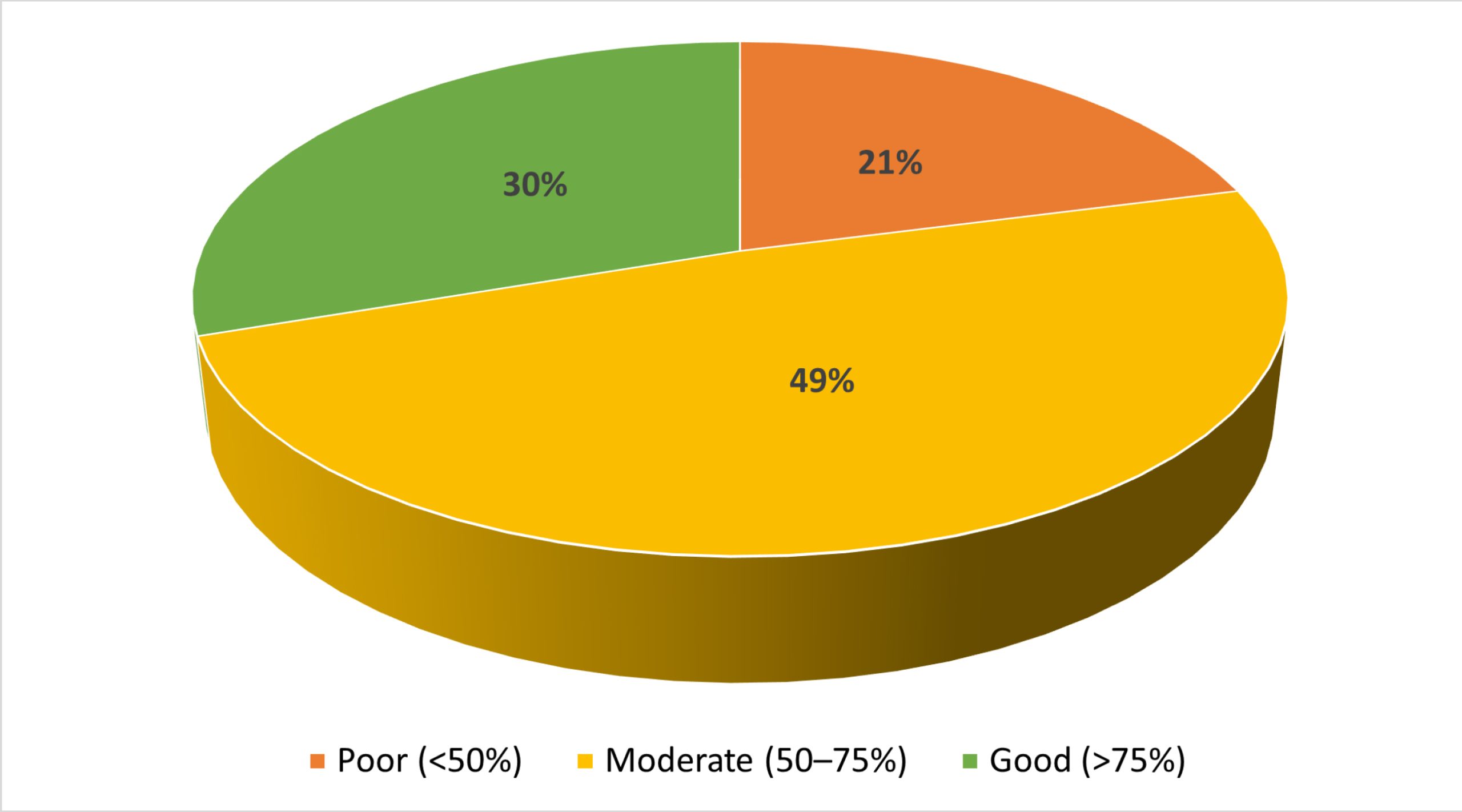
Figure 1: Knowledge levels of nurses regarding chest tube management
The analysis shows that tube blockage was the most frequent complication, reported by 32.6% of nurses. Accidental dislodgement was the second most common, occurring in 25.6% of cases. Infection at the insertion site was observed in 20.9% of patients, reflecting a notable clinical concern. Subcutaneous emphysema accounted for 11.6% of complications, while pneumothorax recurrence was the least frequent at 9.3%. Overall, the findings highlight that technical and infection-related complications were more prevalent than recurrence-related outcomes.
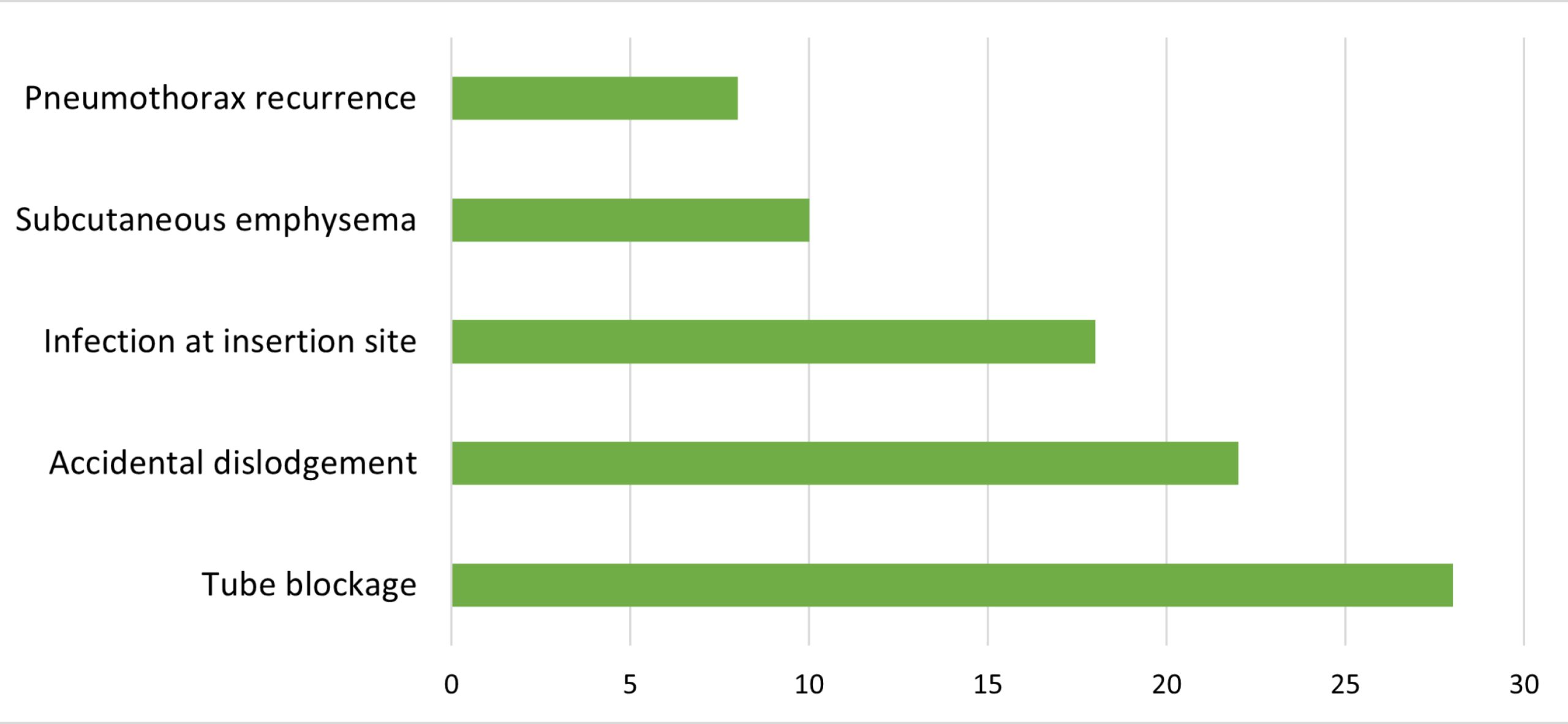
Figure 2: Reported complications in chest trauma patients
The correlation analysis revealed a significant negative relationship between nurses’ knowledge of chest tube management and complication rates in patients with chest trauma (r = –0.421, p = 0.001). This indicates that higher knowledge levels among nurses were associated with fewer complications. The value of the correlation indicates that there is an inverse relationship, which is moderate, and there is a need to increase the knowledge of nurses to increase patient safety. These results emphasize the importance of constant training and education that can be helpful in decreasing the number of complications.
| Variables | Pearson’s r | p-value |
| Knowledge vs Complications | -0.421 | 0.001 |
Table 2: Correlation between knowledge and complication rates
Discussion
The research results showed that there is a moderate negative relationship between the knowledge of the nurse in relation to management of the chest tube and the occurrence of complications among patients with chest trauma. It implies that the nurses with higher knowledge levels substantially contributed to the decrease in complication rates, which implies that nursing competence is the key element in trauma care. These findings can be compared to those who also stressed that in-depth knowledge of chest tube insertion and management will minimize complications during the procedure.[11] On the same note, a study emphasized that nurses who possessed a higher level of knowledge were more confident and skilled in working with patients, and this has a direct positive impact.[3]
Demographic profile showed that the majority of nurses were rather young with less than five years of experience, but a significant percentage of nurses were at moderate to good levels of knowledge. This implies that years of service might not be the sole determinant of knowledge acquisition, as it might be affected more by formal education and continuous training. These results are consistent with Waweru B et al.[15] who posited that structured competency-based education plays a central role in providing nurses with airway and chest management skills in case of an emergency, irrespective of the clinical tenure. Ghazali D et al.[5] implied in his research that experiential learning in crisis response plays a bigger role in competence than classroom-based learning, which points to the significance of two methods.
A significant percentage of complications were also found in the study, as tube blockage and accidental dislodgement were the most common. These observations are in line with Miranda FBG et al.[9] who established that invasive devices are often associated with mechanical complications that can be reduced in the case of attentive nursing care. In contrast, Waweru B et al.[15] have opined that systemic and patient-related factors, not necessarily those of nursing practice, may be the cause of infection-related complications, especially pleural effusions, due to which the outcomes should be evaluated by considering patient comorbidities.
One interesting result was that almost fifty percent of the respondents exhibited average knowledge, indicating a disparity in high-order clinical skills. This aligns with Seyma ZK et al.[13] who documented that a significant proportion of intensive care nurses have sufficient basic skills, but disagree on advanced skills, especially in complicated clinical settings. Sabiha RGN et al.[12] observed on the contrary that well-organized emergency preparedness efforts have the potential to enhance high-level competence among comparatively inexperienced nurses. This emphasizes the need to balance the organized training and the institutional readiness measures to seal knowledge gaps.
The inverse correlation between knowledge and complications achieved is indicative of the possible usefulness of specific educational interventions. Pascua GP et al.[10] highlighted that interdisciplinary collaboration and evidence-based practices of sharing knowledge can improve safety in the implementation of chest tube, which is close to the ongoing professional training requirement of the current study. Nevertheless, observed that even with sufficient knowledge, challenges in clinical decision-making because of uncertainty and workload can still deteriorate the outcomes, implying that decision-making under pressure also needs to be taught as a part of an educational program.[3]
All in all, the research supports the significance of lifelong learning in minimizing the number of complications that may be avoided when treating patients with chest trauma.[15] affirmed that the presence of good theoretical and practical knowledge among nurses offers safer care, [16] proposed evidence-based guidelines in the use of a chest tube. Combined, these results indicate the dual necessity of specific educational interventions and institutions to support the maximization of patient safety and enhancement of clinical outcomes in the treatment of chest trauma.
Recommendations:
- Continuous education programs: Frequent in-service training and workshops need to be arranged to improve the knowledge and skills of nurses in dealing with chest tubes, with the aim of avoiding the usual complications.
- Competency-based assessments: Nursing personnel must go through regular testing to determine their level of competence in chest tube care, as to whether they comply with the new clinical guidelines.
- Policy development: Hospital administrations ought to come up with standard protocols and policies on managing the chest tubes to reduce practice variation and enhance patient outcomes.
- Mentorship and supervision: The senior nurses who have advanced learning and knowledge should mentor the junior staff, where the learning process would be based on experience, and be confident in handling cases involving chest trauma.
- Resource allocation: Sufficient staffing, equipment, and infection control resources are to be provided to minimize complications with the procedures.
- Future research: More research should be done on organizational and environmental factors that lead to complications, which would be in addition to individual-based knowledge-focused interventions.
Conclusion
The study concluded that the level of knowledge among nurses about the management of chest tubes is important in minimizing the number of complications in patients with chest trauma. The findings revealed that there was a moderate negative correlation, meaning that the greater the level of knowledge, the lower the rate of complication, i.e., tube blockage, accidental dislodging, and infection. Most nurses exhibited moderate knowledge, and it is possible to conclude that further professional development is required to enhance clinical competence. The results highlight the importance of emphasizing that safe and effective chest trauma management does not merely rely on the technical capabilities but requires recent education, institutional backing, and compliance with the evidence-based approaches.
References
- Abdulelah M, Abu Hishmeh M. Infective Pleural Effusions-A Comprehensive Narrative Review Article. Clin Pract. 2024;14(3):870-881. doi:10.3390/clinpract14030068
PubMed | Crossref | Google Scholar - Ali M, Mehany M, Abbas M, Khalaf G. Invasive devices: its effects on occurrence of complications and mortality rate among intensive care patients. Assiut Sci Nurs J. 2024;12(43):129-135. doi:10.21608/asnj.2024.278812.1803
Crossref | Google Scholar - Anderson D, Chen SA, Godoy LA, Brown LM, Cooke DT. Comprehensive Review of Chest Tube Management: A Review. JAMA Surg. 2022;157(3):269-274. doi:10.1001/jamasurg.2021.7050
PubMed | Crossref | Google Scholar - Camicia LCD, Barcaroli A, Carioti D. The nurse: perioperative care and management. In: Boccardi V, Marano L, eds. The Frail Surgical Patient. Practical Issues in Geriatrics. Cham: Springer; 2024. doi:10.1007/978-3-031-77707-3_11
Crossref | Google Scholar - Ghazali D, Ilha-Schuelter P, Barbosa S, et al. Interdisciplinary teamwork for chest tube insertion and management: an integrative review. Anaesthesiol Intensive Ther. 2021;53(5):456-465. doi:10.5114/ait.2021.111349
PubMed | Crossref | Google Scholar - Gholipour M, Dadashzadeh A, Jabarzadeh F, Sarbakhsh P. Challenges of clinical decision-making in emergency nursing: an integrative review. Open Nurs J. 2025;19:e18744346378311. doi:10.2174/0118744346378311250320070725
Crossref | Google Scholar - Haywood S. Acquisition and retention of nursing competency for nasogastric feeding tube management: an integrative literature review. J Res Nurs. doi:10.1177/17449871241301340
PubMed | Crossref | Google Scholar - Mensah M. Emergency Preparedness in Trauma Management in Central Region. University of Cape Coast; 2024. Accessed September 2024.
Emergency Preparedness in Trauma Management in Central Region - Miranda FBG, Alves Pereira-Junior G, Mazzo A. Competences in the training of nurses to assist the airway of adult patients in urgency and emergency situations. Rev Lat Am Enfermagem. 2021;29:e3434. doi:10.1590/1518-8345.3380.3434
PubMed | Crossref | Google Scholar - Pascua GP. Competencies of Nurses in Crisis Response: A Recent Study. New Horizons in Medicine and Medical Research. 2022;11:32–52. doi:10.9734/bpi/nhmmr/v11/16164D
Competencies of Nurses in Crisis Response: A Recent Study - Roebker JA, Kord A, Chan K, Rao R, Ray CE Jr, Ristagno R. Chest Tube Placement and Management: A Practical Review. Semin Intervent Radiol. 2023;40(2):231-239. doi:10.1055/s-0043-1768680
PubMed | Crossref | Google Scholar - Sabiha RGN, Naheed A, Zar T, Najma N, Shah H. Knowledge and Confidence Levels of Nurses in Chest Tube Management. medtigo J Med. 2025;3(2):e30623210. doi:10.63096/medtigo30623210
Crossref | Google Scholar - Seyma ZK, Meral YC, Atiye E. Nurses’ knowledge levels about the care of the patients with chest tube. Int J Caring Sci. 2021;14(2):1334-1342.
Nurses’ knowledge levels about the care of the patients with chest tube - Silva EGD, Araujo BR, Borges RM, Vieira TW, Paula CC, Caregnato RCA. Nursing care for adult patients with chest drainage: a scoping review. Rev Esc Enferm USP. 2024;58:e20240017. doi:10.1590/1980-220X-REEUSP-2024-0017en
PubMed | Crossref | Google Scholar - Waweru B. Identifying and establishing consensus on competencies required by registered nurses working in Kenyan intensive care units: a modified Delphi study. Degree thesis. University of Salford; 2024.
Identifying and establishing consensus on competencies required by registered nurses working in Ken… - Williams JG, Lerner AD. Managing complications of pleural procedures. J Thorac Dis. 2021;13(8):5242-5250. doi:10.21037/jtd-2019-ipicu-04
PubMed | Crossref | Google Scholar
Acknowledgments
The authors would like to express their sincere gratitude to Dr. Shah Hussain, Principal/Associate Professor, Zalan College of Nursing, Swat, for his invaluable supervision, guidance, and support throughout the course of this study.
Funding
This research did not receive any specific grant from funding agencies in the public, commercial, or not-for-profit sectors.
Author Information
Corresponding Author:
Shah Hussain
Department of Nursing
Zalan College of Nursing, Swat, Pakistan
Email: shahpicu@gmail.com
Co-Authors:
Abdul Rahim
Department of Nursing
United College of Nursing, Swat, Pakistan
Misbah Uddin
Department of Nursing
School of Nursing and Public Health, Manchester Metropolitan University, Manchester
Uzma Shaheen
Department of Nursing
AFPGMI College of Nursing, NUMS, Rawalpindi, Pakistan
Authors Contributions
Dr. Abdul Rahim contributed to data collection and data analysis. Misbah Uddin and Uzma Shaheen were responsible for data collection and organization. Dr. Shah Hussain contributed to data analysis and interpretation.
Ethical Approval
Ethical Approval was obtained from Saidu Teaching Hospital, Swat, Ref No SGTH/IRB/2025/56.
Conflict of Interest Statement
The authors declare no conflict of interest.
Guarantor
Dr. Abdul Rahim is the guarantor of this study and takes full responsibility for the integrity of the data and the accuracy of the data analysis.
DOI
Cite this Article
Rahim A, Uddin M, Hussain S, Shaheen U. Correlation Between Nurses’ Knowledge of Chest Tube Management and Complication Rates in Patients with Chest Trauma: Enhancing Safety and Clinical Outcomes. medtigo J Emerg Med. 2025;2(4):e3092244. doi:10.63096/medtigo3092244 Crossref