








 Author Affiliations
Abstract
Background: Many doctors agree that laparoscopic cholecystectomy (Lap chole) is the best method for treating gallbladder diseases. Even though laparoscopic surgery is safe, some patients get complications afterwards and must return to the hospital. Reviewing early outcomes and their related factors for repeat hospitalization benefits both patients and the hospital staff.
Aim: The study aimed to assess early postoperative outcomes and 30-day readmission rates following lap chole and to identify contributing factors among patients treated at a tertiary-care hospital in Swat, Pakistan.
Methodology: A retrospective descriptive case series was conducted at Saidu Teaching Hospital, Swat, between May 1, 2024, and April 30, 2025. Data from 170 adult patients who underwent elective or emergency laparoscopic cholecystectomy were analyzed descriptively. A statistical package for the social sciences (SPSS) version 27.0 was used for data analysis.
Results: Of the 170 patients, 18 (10.6%) were readmitted within 30 days of discharge. The most common causes were surgical site infections, biliary complications, and uncontrolled pain. Higher American Society of Anesthesiologists (ASA) scores, emergency surgeries, and intraoperative complications were more frequent among readmitted patients. Over half of the patients received transfusions, though only a small number had documented bleeding complications.
Conclusion: The risk of a patient being readmitted within 30 days after lap chole is very low. Furthermore, providing better care to patients who are more likely to require assistance and post-treatment support may help reduce unnecessary readmissions.
Keywords
Laparoscopic cholecystectomy, 30-day readmission rate, Postoperative outcomes, Intraoperative complications, Postoperative care, Follow-up.
Introduction
Doctors prefer lap chole because it is gentle, requires a fast recovery, and is more effective than other procedures.[1] Here, a cross-sectional study involves examining data for outcomes and possible risk factors simultaneously. The 30-day readmission rate refers to the rate at which patients are readmitted within 30 days after being discharged from the hospital. Based on these ideas, surgeons can evaluate the outcomes of short-term minimally invasive biliary surgery and its associated resource utilization.[2]
In high-income countries, gallstone disease is a common condition, with more than 20 million operations performed annually. In middle-income countries, this is also on the rise. Between 3% and 10% of patients treated with lap chole are readmitted within 30 days, as these rates differ depending on patient factors, how they are managed before and during the operation, and after they are discharged from the hospital.[3,4]
When unplanned 30-day rehospitalizations occur, it is a sign that certain aspects of the treatment may need to be reconsidered, as they also increase costs and cause difficulties for the healthcare system.[5] With each readmission, a patient may undergo different tests, remain in the hospital longer, and have a greater risk of developing new health problems, resulting in increased expenses for both the patient and the hospital.[6]
Older patients who have comorbid diabetes or heart problems, are obese, and have serious complications during surgery are more likely to be readmitted. Similarly, issues such as insufficient education for discharge, poor pain treatment, and not enough follow-up care after being sent home are linked to patients going back to the hospital.[7,8]
Strictly following standardized enhanced recovery after surgery (ERAS) protocols as a new model of care has proven effective at reducing complications and shortening the time patients spend in the hospital following major surgery on the abdomen.[9] Still, the effects on readmission after lap chole are not widely studied.[10] Using multimodal analgesia, encouraging early movement by patients, and providing informative education may reduce many complications after biliary surgery (like uncontrolled pain or wound complications). However, evidence for this has not been established.[11]
Most previous research has focused on understanding readmissions in general, rather than on how many can be prevented or the role played by telemedicine or nurse lines.[12] The study described above aims to highlight both the rates and the reasons for 30-day hospital readmission, with the goal of improving quality in targeted regions. When modifiable factors are better understood, it becomes easier for teams to review perioperative pathways, ensure proper planning for discharge, and oversee patients after they leave the hospital. The purpose of this study was to recognize high-risk patients after lap chole and anticipate how to address their needs through improved pre- and post-operative support, increased education, and better follow-up care.
Methodology
This retrospective, descriptive case series was conducted at Saidu Teaching Hospital, Swat. Records from 170 adult patients who underwent laparoscopic cholecystectomy between May 1, 2024, and April 30, 2025, were reviewed. Patients who underwent additional planned procedures, such as CBD exploration, or died during the index admission were excluded. The number of deaths postoperatively was 12, which reflects overall surgical outcomes but was not included in the readmission analysis. Data were collected from patient records using a standardized format.
Data collection: The team used a set format for gathering information from the hospital’s records and operative notes. Characteristics considered included demographic traits (age, sex, residence), medical details (body mass index, ASA score, comorbidities), details about the surgery (indication, length of operation, complications), time spent in the hospital after surgery, and the location where they were discharged. Readmission within thirty days was determined by reading the logs and checking the hospital’s database.
Data analysis procedure: Data were analyzed descriptively using SPSS version 27.0. Means and standard deviations were calculated for continuous variables, while categorical variables were presented as frequencies and percentages.
Results
Demographic characteristics of patients: The study comprised 170 patients, with an average age of 42.6 ± 13.1 years. Of the total, 60% were females and 40% were males. The group of patients had about the same number of people living in urban areas (52.4%) as in rural areas (47.6%).
| Characteristic | Category | Frequency (n) | Percentage (%) |
| Age (years) | Mean ± Standard deviation (SD) | 42.6 ± 13.1 | — |
| Sex | Male | 68 | 40.0% |
| Female | 102 | 60.0% | |
| Residence | Urban | 89 | 52.4% |
| Rural | 81 | 47.6% |
Table 1: Demographic characteristics of patients undergoing lap chole (N = 170)
Patients had a body mass index (BMI) of 26.8 ± 4.3 kg/m², and the majority (50%) were ASA II. Hypertension (HTN) and diabetes mellitus (DM) were the two most common illnesses patients had. Approximately 72% of patients underwent elective surgery for symptomatic gallstones, and on average, stayed in the OR for 61.4 minutes. Only a little more than half (54.7%) of the patients required blood product transfusions during their surgery. Although only 5.3% of patients had documented bleeding complications, transfusions were administered in over half the cases, possibly due to intraoperative blood loss.
| Variable | Category | Frequency (n) | Percentage (%) |
| BMI (kg/m²) | Mean ± SD | 26.8 ± 4.3 | — |
| ASA score | I | 47 | 27.6% |
| II | 85 | 50.0% | |
| III | 32 | 18.8% | |
| IV | 6 | 3.5% | |
| Comorbidities | DM | 36 | 21.2% |
| HTN | 49 | 28.8% | |
| Coronary artery disease (CAD) | 12 | 7.1% | |
| Chronic pulmonary disease | 10 | 5.9% | |
| Chronic kidney disease (CKD) | 7 | 4.1% | |
| Other | 5 | 2.9% | |
| Surgical indication | Symptomatic cholelithiasis | 108 | 63.5% |
| Acute cholecystitis | 48 | 28.2% | |
| Gallbladder polyp | 9 | 5.3% | |
| Other | 5 | 2.9% | |
| Procedure type | Elective | 122 | 71.8% |
| Emergency | 48 | 28.2% | |
| Duration of surgery (minutes) | Mean ± SD | 61.4 ± 18.7 | — |
| Intraoperative Complications | None | 145 | 85.3% |
| Bile duct injury | 4 | 2.4% | |
| Bleeding | 9 | 5.3% | |
| Gallbladder perforation | 8 | 4.7% | |
| Other | 4 | 2.4% | |
| Length of post-op stay (days) | Mean ± SD | 2.9 ± 1.4 | — |
| Discharge disposition | Home | 159 | 93.5% |
| Step-down unit | 7 | 4.1% | |
| Other facility | 4 | 2.4% |
Table 2: Medical, operative, and post-operative characteristics of patients undergoing lap chole (N = 170)
Among the 170 people who had a lap chole, 18 (10.6%) were brought back to the hospital within 30 days afterwards. Overall, 152 patients (89.4%) experienced no readmissions. As a result, short-term readmissions among the studied group were low.
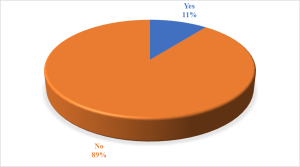
Figure 1: Readmission within 30 Days (Primary outcome)
Causes and preventability of readmissions: Most of the 18 patients who returned within 30 days did so because of a surgical wound infection (33.3%), a biliary leak or obstruction (22.2%), or because their pain could not be adequately managed (16.7%). Only a few patients experienced gastrointestinal symptoms or conditions. The preventability of readmissions was subjectively assessed by the clinical audit team through a retrospective chart review and consensus discussion. No formal scoring system was applied. In 44.4%, it was not preventable, and in 16.7%, the team was unsure.
| Variable | Category | Frequency (n) | Percentage (%) |
| Primary reason for readmission | Surgical site infection | 6 | 33.3% |
| Biliary leak or obstruction | 4 | 22.2% | |
| Uncontrolled pain | 3 | 16.7% | |
| Gastrointestinal symptoms | 2 | 11.1% | |
| Other | 3 | 16.7% | |
| Was readmission preventable? | Yes | 7 | 38.9% |
| No | 8 | 44.4% | |
| Uncertain | 3 | 16.7% |
Table 3: Causes and preventability of readmissions (n = 18)
Discussion
This research study examined early results and the 30-day readmission rate of patients who had lap chole done at Saidu Teaching Hospital. Among the 170 patients, 10.6% were readmitted within a month. The findings from this study align with those observed in other studies conducted in tertiary-care centers. According to a report, the readmission rate for laparoscopic surgeries was found to be 10%, indicating that the current data in Hungary aligns with international standards for hospital readmissions following a laparoscopic procedure. The results of this research indicate that lap chole is generally safe and effective when performed according to the correct standards.[13]
Other similar studies show similarities and differences that are worth noticing in the results of this study. Noted in a study at another Pakistani tertiary hospital that 13.2% of patients had to return, mainly because of surgical site infections and difficulty managing pain. Surgical site infections, biliary leaks, and uncontrolled pain were the two main factors leading to readmission in the data collection for this study.[14] Nevertheless, the number of patients readmitted for gastrointestinal reasons in our hospital decreased. It may be due to differences in intraoperative procedures, discharge instructions, or post-discharge patient support.[15]
The survey found that being marked as ASA III or ASA IV, having an emergency procedure, and being readmitted to the hospital are closely linked. The study found that people with various health conditions and weak preoperative health status are at higher risk of facing complications or being readmitted to the hospital after surgery.[16] Likewise, damage to the bile duct or the gallbladder during the surgery was found to increase the chance of another hospitalization in this group. They indicate that taking care to assess risks preoperatively and ensure precise surgery can lead to fewer complications.[17]
Intriguingly, this study did not observe any significant connection between sex, place of residence, and getting readmitted. On the other hand, the study noted that participants from rural areas were more likely to return to the hospital due to limited access to post-surgery help or advice. This might indicate that people from all groups are treated equally at the hospital and are helped properly when they are sent home. More information from people directly would be required to understand how social factors influence postoperative outcomes.[18]
Regarding the duration of surgery and hospital stay, our study’s findings were comparable to those of previous studies. On average, surgery took 61.4 minutes, and the typical hospital stay was 2.9 days.[19] The results align with those recommended by the ACS NSQIP, confirming that procedures are being carried out efficiently and that early discharge is being utilized at the research site. Additional improvements in the length of surgery and how patients recover may reduce the likelihood of readmission.[20]
Reviewing all the hospital records using a structured tool helped ensure that the data was collected accurately and without errors. Furthermore, SPSS was used for statistical analysis to confirm the links between different variables. Nonetheless, the study overlooked some important problems or readmissions that occurred at places other than the hospital used for the study. Due to these restrictions, it becomes necessary to conduct larger-scale future studies in various hospitals.
Limitations: The study was limited to a single center and retrospective data. Readmissions to other hospitals and long-term outcomes were not captured. Deaths during admission were excluded, but should be acknowledged to provide full context on surgical safety.
Recommendations: Based on these findings, several recommendations can be made.
- Conduct thorough preoperative assessments with risk stratification to ensure optimal patient care.
- Improve surgical protocols to minimize complications.
- Standardize postoperative care and discharge education.
- Establish structured follow-up systems.
- Conduct larger, prospective, multicenter studies to validate these findings.
Conclusion
The outcomes of patients in the first week after lap cholecystectomy and their readmission rate within 30 days were reviewed at Saidu Teaching Hospital, Swat. It was shown that 10.6% of patients were readmitted, and the leading reasons included infections at the site of surgery, leaks from bile issues, and unrestrained pain. Factors that increased the chance of readmission included an increased ASA score, undergoing an emergency procedure, and experiencing complications during the operation. The procedure is safe and highly effective, with very low rates of early complications if clinical guidelines are followed.
References
- Yu J, Lin X, Chen H. Study on the application effect of fast-track surgery care combined with continuous care after discharge in patients with laparoscopic cholecystectomy. Front Surg. 2022;9:848234. doi:10.3389/fsurg.2022.848234 PubMed | Crossref | Google Scholar
- Pecorelli N, Guarneri G, Alagol K, et al. The impact of minimally invasive surgery on hospital readmissions, emergency department visits and functional recovery after distal pancreatectomy. Surg Endosc. 2021;35:5740-5751. doi:10.1007/s00464-020-08051-z PubMed | Crossref | Google Scholar
- Wang X, Yu W, Jiang G, et al. Global epidemiology of gallstones in the 21st century: a systematic review and meta-analysis. Clin Gastroenterol Hepatol. 2024. doi:10.1016/j.cgh.2024.02.020 Crossref | Google Scholar
- Oodit R, Biccard BM, Panieri E, et al. Guidelines for perioperative care in elective abdominal and pelvic surgery at primary and secondary hospitals in low–middle-income countries (LMICs): Enhanced Recovery After Surgery (ERAS) society recommendation. World J Surg. 2022;46(8):1826-1843. doi:10.1007/s00268-022-06587-w PubMed | Crossref | Google Scholar
- Bag Soytas R, Levinoff EJ, Smith L, et al. Predictive strategies to reduce the risk of rehospitalization with a focus on frail older adults: A narrative review. Epidemiologia. 2023;4(4):382-407. doi:10.3390/epidemiologia4040035 PubMed | Crossref | Google Scholar
- Gatt ML, Cassar M, Buttigieg SC. A review of literature on risk prediction tools for hospital readmissions in older adults. J Health Organ Manag. 2022. doi:10.1108/JHOM-11-2020-0450 PubMed | Crossref | Google Scholar
- Nuzzo A, Brignoli A, Ponziani MC, et al. Aging and comorbidities influence the risk of hospitalization and mortality in diabetic patients experiencing severe hypoglycemia. Nutr Metab Cardiovasc Dis. 2022;32(1):160-166. doi:10.1016/j.numecd.2021.09.016 PubMed | Google Scholar
- Plantz MA, Wu SA, Gerlach EB, et al. Increased 30-day postoperative readmission and medical complication rates among patients 65 years and older following arthroscopic rotator cuff repair. Arthrosc Sports Med Rehabil. 2022;4(3):e1151-e1159. doi:10.1016/j.asmr.2022.02.011 PubMed | Crossref | Google Scholar
- Mithany RH, Daniel N, Shahid MH, et al. Revolutionizing surgical care: the power of enhanced recovery after surgery (ERAS). Cureus. 2023;15(11):e48795. doi:10.7759/cureus.48795 PubMed | Crossref | Google Scholar
- Lobo DN, Joshi GP, Kehlet H. Challenges in enhanced recovery after surgery (ERAS) research. Br J Anaesth.2024;133(4):717-721. doi:10.1016/j.bja.2024.06.031 PubMed | Crossref | Google Scholar
- Zhu W, Yan Y, Sun Y, et al. Implementation of Enhanced Recovery After Surgery (ERAS) protocol for elderly patients receiving surgery for intertrochanteric fracture: a propensity score-matched analysis. J Orthop Surg Res. 2021;16(1):469. doi:10.1186/s13018-021-02599-9 PubMed | Crossref | Google Scholar
- Liang HY, Lin LH, Chang CY, Wu FM, Yu S. Effectiveness of a nurse‐led tele‐homecare program for patients with multiple chronic illnesses and a high risk for readmission: a randomized controlled trial. J Nurs Scholarsh. 2021;53(2):161-170. doi:10.1111/jnu.12622 PubMed | Crossref | Google Scholar
- Benedek Z, Surján C, Belicza É. Potential considerations in decision making on laparoscopic colorectal resections in Hungary based on administrative data. PLoS One. 2021;16(9):e0257811. doi:10.1371/journal.pone.0257811 PubMed | Crossref | Google Scholar
- Ali AQ. Nurses’ compliance with handover practices in adult medical surgical units at a tertiary care hospital in Karachi, Pakistan. Master’s dissertation. Aga Khan University; 2023. Nurses’ compliance with handover practices in adult medical surgical units at a tertiary care hospital in Karachi, Pakistan
- Balasi BR. The Effectiveness of Tight Glycemic Control on Reducing Surgical Site Infection in Diabetic Patients Undergoing Coronary Artery Bypass Grafting. Master’s thesis. An‐Najah National University; 2021. The Effectiveness of Tight Glycemic Control on Reducing Surgical Site Infection in Diabetic Patients Undergoing Coronary Artery Bypass Grafting
- Bates A, West MA, Jack S, Grocott MP. Preparing for and not waiting for surgery. Curr Oncol. 2024;31(2):629-648. doi:10.3390/curroncol31020046 PubMed | Crossref | Google Scholar
- Ljungqvist O, de Boer HD, Balfour A, et al. Opportunities and challenges for the next phase of enhanced recovery after surgery: a review. JAMA Surg. 2021;156(8):775-784. doi:10.1001/jamasurg.2021.0586 PubMed | Crossref | Google Scholar
- Marraccini ME, Pittleman C, Toole EN, Griffard MR. School supports for reintegration following a suicide-related crisis: A mixed methods study informing hospital recommendations for schools during discharge. Psychiatr Q. 2022;93(1):347-383. doi:10.1007/s11126-021-09942-7 PubMed | Crossref | Google Scholar
- Aasen DM, Bronsert MR, Rozeboom PD, et al. Relationships between predischarge and postdischarge infectious complications, length of stay, and unplanned readmissions in the ACS NSQIP database. Surgery. 2021;169(2):325-332. doi:10.1016/j.surg.2020.08.009 PubMed | Crossref | Google Scholar
- Cochrane N, Belay E, Wu M, et al. An ACS-NSQIP analysis of unicompartmental knee arthroplasty trends from 2013 to 2018. J Knee Surg. 2023;36(7):716-724. doi:10.1055/s-0041-1741389 PubMed | Crossref | Google Scholar
Acknowledgments
The authors would like to express their sincere gratitude to Dr. Shah Hussain, Principal/Assistant Professor at Zalan College of Nursing, Swat, for his invaluable supervision, guidance, and support throughout the course of this study.
Funding
This research did not receive any specific grant from funding agencies in the public, commercial, or not-for-profit sectors.
Author Information
Corresponding Author:
Sami Ur Rahman
Department of Surgery
Saidu Group of Teaching Hospitals, Swat, Pakistan
Email: sk285881@gmail.com
Co-Authors:
Javairia Riaz Masood, Maria Rashid, Munib Ahmad Khan
Department of Surgery
Saidu Group of Teaching Hospitals, Swat, Pakistan
Muhammad Ilyas
Department of Surgery
Nowshera Medical College, Nowshera, Pakistan
Shah Hussain
Department of Nursing
Zalan College of Nursing, Swat, Pakistan
Authors Contributions
Sami Ur Rahman was involved in data collection and data analysis. Javairia Riaz Masood and Maria Rashid contributed to data collection, organization, and interpretation. Munib Ahmad Khan and Muhammad Ilyas participated in data collection and analysis. Shah Hussain contributed to data analysis and interpretation.
Ethical Approval
Ethical approval was obtained from Saidu Teaching Hospital, Swat (Ref No. SGTH/IRB/2025/39).
Conflict of Interest Statement
The authors declare no conflict of interest.
Guarantor
Dr. Sami Ur Rahman is the guarantor of this study and takes full responsibility for the integrity and accuracy of the data and the data analysis.
DOI
Cite this Article
Rahman SU, Masood JR, Rashid M, Khan MA, Ilyas M, Hussain S. Case Series on 30-Day Readmission Rates Following Laparoscopic Cholecystectomy at a Tertiary Care Hospital in Swat. medtigo J Emerg Med. 2025;2(2):e3092223. doi:10.63096/medtigo3092223 Crossref