








 Author Affiliations
Abstract
Background: Nurses serving in tertiary care hospitals usually encounter intense workload pressures that can cause burnout and a negative impact on the provision of evidence-based, compassionate nursing care. The connection between workload, burnout, and compassionate care is a critical factor in improving nurses’ well-being and patient outcomes, especially in understaffed health care facilities.
Aim: To assess the level of workload, burnout, and evidence-based compassionate nursing care among nurses and to determine the relationship between these variables at Saidu Teaching Hospital, Swat.
Methods: A descriptive cross-sectional study was conducted among 156 registered nurses, selected using the Raosoft sample size calculator from a population of 260 registered nurses. Structured, self-administered survey questionnaires were used to collect data on workload, burnout, and evidence-based compassionate nursing care. Data analysis was done using descriptive statistics and Pearson correlation analysis.
Results: The majority of the nurses had a moderate workload (50.0%), and burnout (46.8%). Compassionate care based on evidence was also found to be mostly moderate (51.9%). Workload was significantly positively correlated with burnout (r = 0.62, p < 0.01). The workload (r = -0.48, p < 0.01) and burnout (r = -0.55, p < 0.01) were also significantly negatively correlated with compassionate nursing care.
Conclusion: The research shows that elevated workload and burnout are strongly correlated with low-quality, evidence-based compassionate nursing. Workload management and burnout prevention are organizational strategies required to improve nurses’ well-being and quality of care.
Keywords
Workload, Burnout, Compassionate Nursing Care, Evidence-Based Practice, Nurses.
Introduction
Evidence-based, compassionate nursing care is defined as a combination of the most recent scientific findings, clinical competence, and compassionate patient care.[1] Workload can be defined as the quantitative and qualitative requirements placed on nurses during the patient care delivery process, including patient-to-nurse ratios, task complexity, and time pressure.[2] Burnout is a mental disorder marked by emotional exhaustion, depersonalization, and lack of personal achievement due to extended work stress. Compassionate nursing care entails empathy, respect, emotional presence, and responsive care towards alleviating patient suffering. These are the key ideas of high-quality nursing practice within the tertiary hospitals with high patient acuity and clinical complexity.[3]
Burnout and high workload among nurses are major healthcare issues worldwide. Research indicates that over 50% of nurses in hospitals have a moderate to high workload, and that burnout prevalence ranges from 30% to 60% in tertiary care facilities. It has been shown that emotionally exhausted nurses have fewer capacities to maintain patient-centred and compassionate care. Tertiary hospitals, which include critical care units, high turnover, and complex treatments and procedures, have a higher burnout rate among nurses than primary and secondary care wards.[4,5]
The largest number of healthcare practitioners are nurses, who are important in achieving safe, effective, and compassionate care. Nurses in tertiary hospitals care for critically ill patients, use advanced technologies, and engage in complex clinical decision-making. Such requirements usually reduce the time available for meaningful patient contact, jeopardizing the effective provision of evidence-based, practice-based, compassionate care.[6] Compassion is one of the key issues that nursing leaders and healthcare administrators pursue to maintain under such pressure.[7]
Evidence-based nursing insists on the application of up-to-date research, clinical guidelines, and patient preferences, and incorporates them into care decisions. Evidence-based, compassionate care implementation should be carried out with attention to cognitive factors, emotional presence, and sufficient organizational support. A high workload limits nurses’ ability to access evidence, engage in reflective practice, and individualize care. Burnout also worsens motivation, empathy, and professional commitment, undermining the evidence-based standards.[8]
Burnout has adverse effects on nurses’ mental health, job satisfaction, and professional performance. Depersonalization and emotional exhaustion are part of implementing task-oriented care rather than holistic, compassionate practice. [9] Nurses reporting burnout usually complain of a lack of sensitivity to patient needs, difficulty communicating, and a lack of caring behaviors. Such results undermine the ethical and professional bases of nursing practice.[10]
Humanistic nursing is becoming an important quality measure in the healthcare systems. Patients who are compassionately cared for are said to be more satisfied, have better emotions, and demonstrate good adherence to treatment. Evidence-based compassionate care is crucial in the management of patient anxiety, pain, and complicated psychosocial needs in tertiary hospitals. The sustainability of such care is threatened by work-related stressors, despite the already proven benefits of this care.[11]
The relationship between workload and burnout, and the evidence-based compassionate nursing care that supports them, is crucial to enhancing care quality and the well-being of the workforce. Determining such relationships can inform administrative initiatives, staff policies, and interventions. There is a need to use empirical evidence from a tertiary hospital setting to guide nurse management practices and promote a culture that sustains both compassion and the delivery of evidence-based care.
Methodology
To study the relationship between workload, burnout, and evidence-based compassionate nursing care among nurses, a quantitative, cross-sectional correlational research design was selected. The research was undertaken at Saidu Teaching Hospital, Swat, a tertiary care hospital that provides specialized services to a large population. The study population comprised 260 registered nurses employed in medical, surgical, emergency, and critical care units. The final sample size of 156 nurses was determined using the Raosoft sample size calculator, with a 95% confidence level and a 5% margin of error. Only nurses with 6 months or more of clinical experience were involved in providing sufficient experience with the hospital’s working environment. Nurses on long-term leave or those available only for administrative duties were excluded from the study.
Data collection procedure:
The structural, self-administered questionnaire, developed to evaluate workload, burnout, and evidence-based compassionate nursing care, was used to collect the data. The questionnaire included four parts, including demographic and professional data, workload measurement, burnout measurement, and evidence-based compassionate care practices. Reliability and content validity were ensured using validated scales from previous nursing studies. Data collection was pre-empted by approval from the relevant institutional review committee. The hospital administration and nursing management were approached, and permission was obtained. All participants provided signed consent. Questionnaires were handed out during duty hours, and respondents were given a reasonable time to complete them without being disturbed. The complete questionnaires were gathered on the same day or within an agreed period. The participants’ anonymity and confidence were maintained at a high level.
Data analysis procedure:
The data were coded and entered into the Statistical Package for the Social Sciences (SPSS) version 26 for analysis. Demographic characteristics and the study variables were summarized using descriptive statistics, including frequencies, percentages, means, and standard deviations. The relationships between workload, burnout, and evidence-based compassionate nursing care were statistically investigated using inferential statistics. The Pearson correlation coefficient was used to assess the strength and direction of the relationship between the variables in the study. Statistical significance was determined by a p-value less than 0.05. Results were tabulated, and graphical illustrations were created to facilitate understanding and interpretation.
Results
The demographic characteristics of the 156 participating nurses are shown in Table 1. The majority (39.7%) were between 20 and 29 years old, with 37.2% in the 30-39 age group. Most of the sample consisted of female nurses (70.5%). Over 50% of the people surveyed had a nursing diploma (56.4%). Only a small percentage of nurses had 5-10 years of professional experience (39.1%).
| Variable | Category | Frequency (n) | Percentage (%) |
| Age (years) | 20–29 | 62 | 39.7 |
| 30–39 | 58 | 37.2 | |
| 40–49 | 28 | 17.9 | |
| ≥50 | 8 | 5.1 | |
| Gender | Male | 46 | 29.5 |
| Female | 110 | 70.5 | |
| Professional qualification | Diploma in Nursing | 88 | 56.4 |
| BSN/post-RN BSN | 56 | 35.9 | |
| MSN or above | 12 | 7.7 | |
| Years of experience | <5 years | 54 | 34.6 |
| 5–10 years | 61 | 39.1 | |
| >10 years | 41 | 26.3 |
Table 1: Demographic characteristics of the study participants
Figure 1 shows the distribution of nurses’ workload levels. Half (50.0%) of the participants said that the workload was moderate. Almost one-third of nurses (31.4%) reported a high workload. A low workload was reported at a lower percentage (18.6). The results show that the majority of the nurses were under significant job demands.
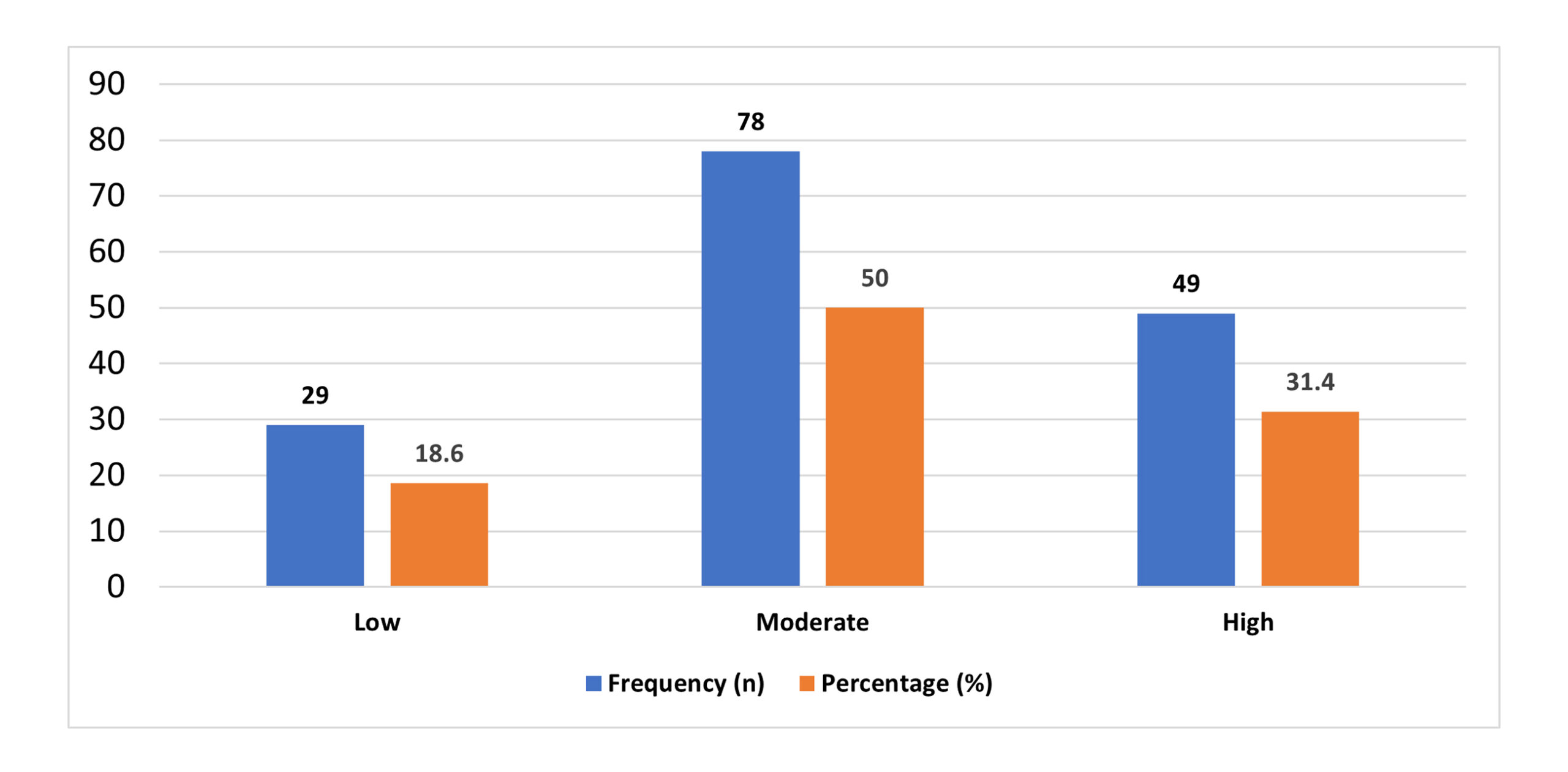
Figure 1: Level of workload among nurses
The burnout levels of the study participants are presented in Figure 2. Nearly 50% of the nurses (46.8%) reported a medium level of burnout. The respondents with high burnout were 31.4%. Burnout among nurses was low at only 21.8. These results indicate that burnout is a common problem in the research environment.
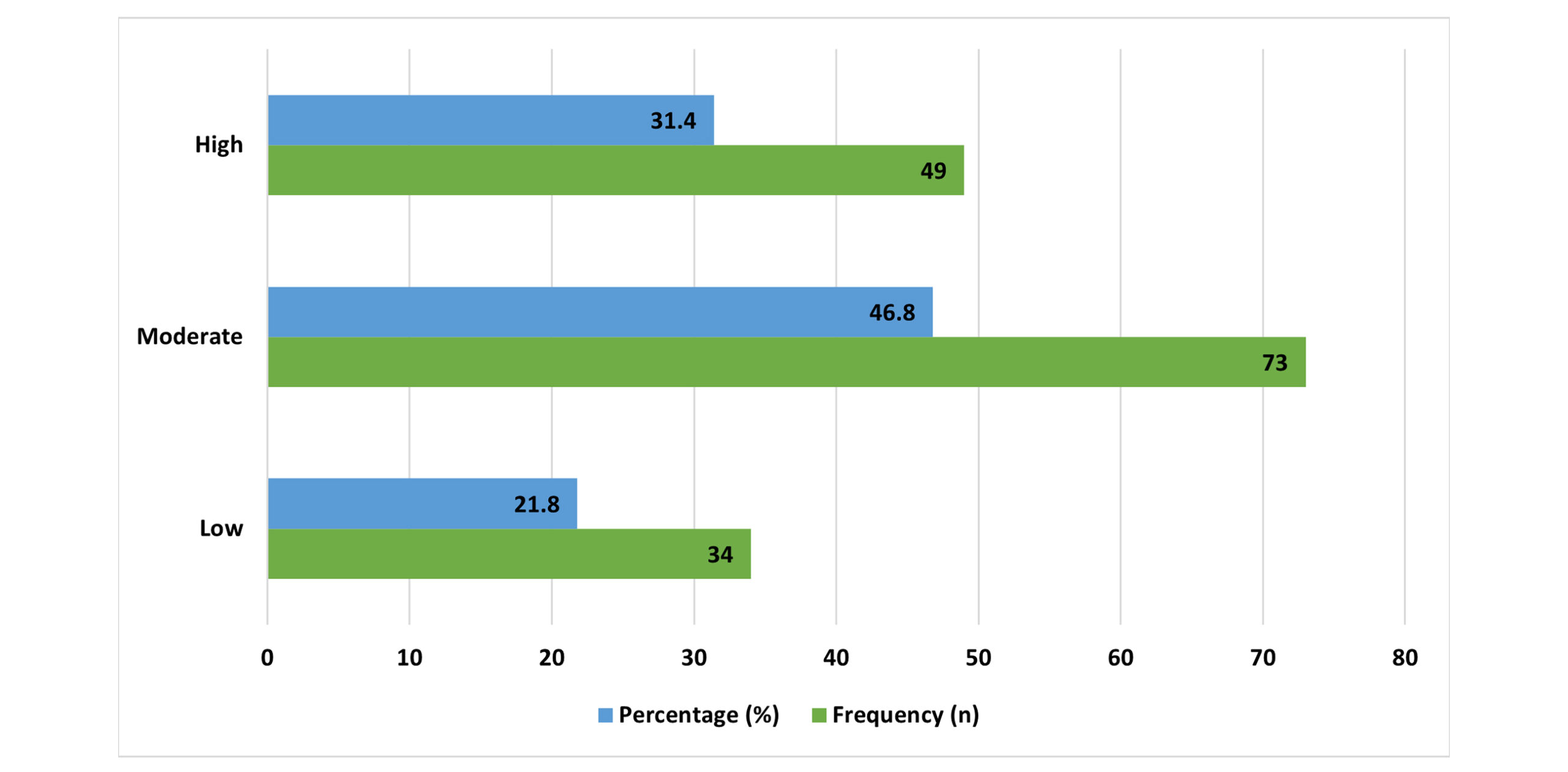
Figure 2: Level of burnout among nurses
Figure 3 indicates the degree of evidence-based compassionate nursing care among nurses. Over half of the participants (51.9) represented moderate levels of compassionate care. Compassionate care was reported by 28.2% of the nurses with good levels. Almost one-fifth (19.9) had poor compassionate care practices. The findings show an opportunity to advance the field of evidence-based compassionate care.
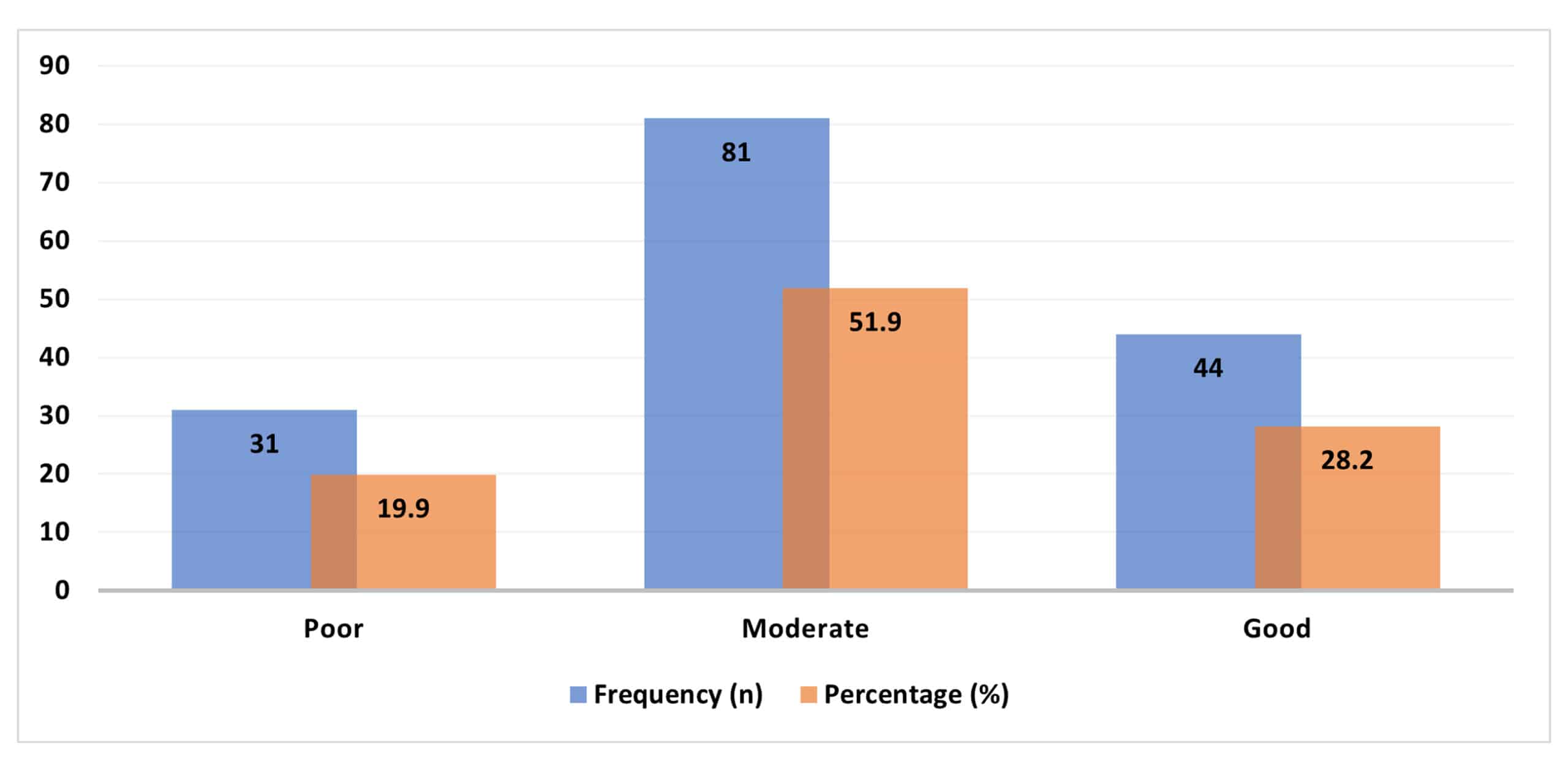
Figure 3: Level of evidence-based compassionate nursing care
The relationship between workload, burnout, and evidence-based compassionate nursing care is described in Table 2. There was a high positive correlation between workload and burnout (r = 0.62, p < 0.01). A strong negative association was observed between workload and compassionate care (r = -0.48, p = 0.01). Compassionate care was also negatively associated with burnout (r = −0.55, p < 0.01). These findings underscore the interconnection between the study variables.
| Variables | Workload | Burnout | Compassionate care |
| Workload | 1 | ||
| Burnout | 0.62 | 1 | |
| Compassionate Care | −0.48 | −0.55 | 1 |
Table 2: Correlation between workload, burnout, and evidence-based compassionate nursing care
Table 3 summarizes the standard deviations and mean scores of the study variables. The average workload score was 3.42 with a standard deviation of 0.71, indicating a moderate workload. The mean burnout score was 3.38 (SD = 0.68), indicating moderate burnout. The average score of evidence-based compassionate care was 3.12 0.64. These findings also confirm the existence of moderate levels among the key variables of the study.
| Variable | Mean ± SD | Score range |
| Workload | 3.42 ± 0.71 | 1–5 |
| Burnout | 3.38 ± 0.68 | 1–5 |
| Evidence-based compassionate care | 3.12 ± 0.64 | 1–5 |
Table 3: Summary of mean scores of study variables
Discussion
The current research shows that the workload and burnout among nurses at Saidu Teaching Hospital, Swat, are mostly moderate, and a significant number reported high levels of both. These results align with several studies in tertiary care hospitals in South Asia and other low- and middle-income nations, where staffing issues, high turnover and burnout rates, and insufficient resources are adding to the workload and psychological burden of nurses. The same study cites moderate-to-high workload conditions as a normal feature of hospital nursing, especially in the public sector, supporting the idea that workload pressure is a systemic problem rather than an isolated issue.[5]
Regarding burnout, the present results of moderate to high burnout rates among a significant number of nurses are consistent with previous studies that have identified emotional exhaustion and depersonalization as key effects on clinical nurses. Similar investigations in teaching hospitals have reported moderate to severe burnout prevalence, particularly among experienced mid-level nurses, a profile comparable to the current sample.[12] Nonetheless, some studies conducted in well-endowed healthcare systems report low burnout rates, suggesting that organizational support, adequate staffing, and enabling leadership may help protect against work burnout.[13]
The evidence-based, compassionate nursing care in this study was mostly moderate, with fewer nurses reporting high levels of compassionate care. This trend is consistent with established work suggesting that compassion may be impaired under high workload and emotional stress. In contrast, studies conducted in settings with lower nurse-to-patient ratios, higher rates of compassionate care, and greater emphasis on structural and organizational factors have indicated that this is the case. The relative reduction in the percentage of nurses who provide good, compassionate care in the current study may reflect the cumulative impact of workload and burnout.[14,15]
The literature supports the high positive relationship between workload and burnout in this study. Various studies have always indicated that workload is also a major predictor of nurse burnout, especially emotional fatigue. This association highlights the cumulative impact of extended job requirements and a lack of time to relax. Contrastingly, other studies have observed weaker associations, particularly in environments where flexible scheduling or task-sharing models are adopted, indicating that workload management approaches have the potential to reduce burnout risk.[16]
The observed negative correlation between evidence-based compassionate care and workload is also not a new finding, as other studies have shown. The workload has been found to decrease the time and emotional resources a nurse has to spend on personalized, caring interactions with patients.[17] Although some studies have found that well-trained nurses can remain compassionate even under high workload, this may reflect adaptive coping or a commitment to their profession. This difference indicates that personal resilience and institutional culture can moderate the effect of workload on the quality of care.[18]
On the same note, the negative correlation between burnout and compassionate care is similar to previous studies that have shown that burnout reduces empathy, patient-centeredness, and evidence-based caring practices. When nurses experience greater burnout, they tend to report emotional detachment and demotivation, which adversely affect care delivery. Conversely, other studies focusing on mindfulness training, peer support, and supportive leadership have found weaker correlations between burnout and compassion, suggesting opportunities for intervention.[19,20]
In general, the study’s findings support current evidence that workload and burnout are essential factors in compassionate, evidence-based nursing care. Although the findings align with those of previous studies to a significant extent, variations across environments underscore the roles of organizational environment, resources, and support systems. The research contributes to the ever-increasing body of literature on promoting workload optimization, burnout prevention, and institutional policies that are potentially useful to nurses’ well-being as key elements in maintaining high-quality, compassionate nursing services.
Recommendations:
According to the study’s results, hospital administrators must consider strategies to manage and reduce nurses’ workload, including improving nurse-patient ratios, optimizing duty schedules, and ensuring sufficient staffing during peak hours. Healthcare institutions should implement regular screening and monitoring for burnout to enable early identification and prompt support for affected nurses. Stress management programs, counseling sessions, and resilience-building workshops should be introduced to help nurses manage occupational stress. The existing continuous professional development programs on evidence-based practice and caring should be reinforced to enhance nurses’ clinical and interpersonal competencies. Nursing leaders ought to foster a positive work environment by fostering effective communication, appreciating nurses’ efforts, and involving nurses in decision-making. At the policy level, healthcare officials ought to formulate and implement standards for safe workload quotas and nurse welfare. It is advised that future studies adopt longitudinal or intervention-based designs to determine causal associations and assess whether workload and burnout alleviation measures are effective in enhancing caring nursing services.
Conclusion
This work concludes that nurses at Saidu Teaching Hospital, Swat, report moderate workload and burnout most frequently, and a significant proportion report high levels of both. The results show a strong positive correlation between workload and burnout, suggesting that high job demands significantly increase stress among nurses. Also, both workload and burnout were significantly negatively correlated with evidence-based compassionate nursing care, suggesting that excessive workload and emotional fatigue negatively affected nurses, preventing them from providing this care. Even though the majority of nurses reported moderate levels of compassionate care, high workload and burnout indicate a possible threat to the quality of nursing care when these issues are not managed. In general, the paper highlights the interrelation among workload, burnout, and compassionate care and underscores the importance of organizational interventions to support nurses’ well-being and improve care outcomes.
References
- Hussien RM, Khalil T, Nashwan AJ, Al-Najjar H, Khedr MA. Compassionate care in nursing: The role of simulation-based compassionate care on nurse’s caring behavior, self-efficacy and compassion competency. Nurse Educ Pract. 2025;87:104470. doi:10.1016/j.nepr.2025.104470
PubMed | Crossref | Google Scholar - Al Abass AH, Altuais FS, Bin Nafissa BA, et al. The therapeutic approach in nursing: enhancing patient care through compassion, communication, and evidence-based practices. Int J Curr Res Rev. 2024;16(vi):920-927. doi:10.63278/jicrcr.vi.583
Crossref | Google Scholar - Jarata JM, Antonio EM, Dela Cruz J, Garcia K, Palangeo YM, Pasikan H III, Sanwen S, Siso R Jr, Tagtag RJ, Tuyan SJ, Versoza JA. Navigating compassion fatigue: nurses in maintaining empathy in high-stress environments. Cognizance J Multidiscip Stud. 2025;5(10):139-159. doi:10.47760/cognizance.2025.v05i10.013
Crossref | Google Scholar - Alzoubi MM, Al-Mugheed K, Oweidat I, et al. Moderating role of relationships between workloads, job burnout, turnover intention, and healthcare quality among nurses. BMC Psychol. 2024;12(1):495. doi:10.1186/s40359-024-01891-7
PubMed | Crossref | Google Scholar - Atef S, Mohamed H, Nasr A. Nurses’ compassion and patient-centered care competency at the Egyptian Health Care Authority hospitals in Port Said Governorate. Port Said Sci J Nurs. 2024;11:270.
Nurses’ compassion and patient-centered care competency at the Egyptian Health Care Authority hospi… - Robinson J, Raphael D, Moeke-Maxwell T, Parr J, Gott M, Slark J. Implementing interventions to improve compassionate nursing care: A literature review. Int Nurs Rev. 2024;71(3):457-467. doi:10.1111/inr.12910
PubMed | Crossref | Google Scholar - Jemal K, Hailu D, Mekonnen M, Tesfa B, Bekele K, Kinati T. The importance of compassion and respectful care for the health workforce: a mixed-methods study. Z Gesundh Wiss. 2023;31(2):167-178. doi:10.1007/s10389-021-01495-0
PubMed | Crossref | Google Scholar - Kurniawati F, Fikaris M, Eryani I, Rohendi A, Wahyudi B. The effect of workload, burnout, and work motivation on nurse performance. J Apl Manaj. 2023;21:915-927. doi:10.21776/ub.jam.2023.021.04.05
Crossref | Google Scholar - Sullivan V, Hughes V, Wilson DR. Nursing Burnout and Its Impact on Health. Nurs Clin North Am. 2022;57(1):153-169. doi:10.1016/j.cnur.2021.11.011
PubMed | Crossref | Google Scholar - Stemmer R, Bassi E, Ezra S, et al. A systematic review: Unfinished nursing care and the impact on the nurse outcomes of job satisfaction, burnout, intention-to-leave and turnover. J Adv Nurs. 2022;78(8):2290-2303. doi:10.1111/jan.15286
PubMed | Crossref | Google Scholar - Zhang Y, Xia W, Liu T. Influence of humanistic care on negative emotions, nursing quality, and patient satisfaction in outpatient gynecological surgery. Am J Transl Res. 2024;16(7):3220-3230. doi:10.62347/QCAG2084
PubMed | Crossref | Google Scholar - Feleke D, Chanie E, Hagos M, Derseh B, Fetene S. Levels of burnout and its determinant factors among nurses in private hospitals of Addis Ababa, Ethiopia, 2020: a multi-central institutional-based cross-sectional study. Front Public Health. 2022;10:766461. doi:10.3389/fpubh.2022.766461
Crossref | Google Scholar - Moustafa MA, Elrayah M, Aljoghaiman A, Hasanein AM, Ali MAS. How does sustainable organizational support affect job burnout in the hospitality sector? The mediating role of psychological capital. Sustainability. 2024;16(2):840. doi:10.3390/su16020840
Crossref | Google Scholar - Hussain S, Dioso RPIII. Quality of Life in Patients with Permanent Colostomy: A Cross-Sectional Study at the Tertiary Care Hospital in Swat. medtigo J Med. 2025;3(2):e30623218. doi:10.63096/medtigo30623218
Crossref | Google Scholar - Kartsonaki MG, Georgopoulos D, Kondili E, et al. Prevalence and factors associated with compassion fatigue, compassion satisfaction, burnout in health professionals. Nurs Crit Care. 2023;28(2):225-235. doi:10.1111/nicc.12769
PubMed | Crossref | Google Scholar - Thörel E, Pauls N, Göritz AS. The association of work-related extended availability with recuperation, well-being, life domain balance and work: a meta-analysis. Organizational Psychol Rev. 2022;12(4):387-427. doi:10.1177/20413866221116309
Crossref | Google Scholar - Maghsoud F, Rezaei M, Asgarian FS, Rassouli M. Workload and quality of nursing care: the mediating role of implicit rationing of nursing care, job satisfaction and emotional exhaustion by using structural equations modeling approach. BMC Nurs. 2022;21(1):273. doi:10.1186/s12912-022-01055-1
PubMed | Crossref | Google Scholar - Ivziku D, de Maria M, Ferramosca FMP, Greco A, Tartaglini D, Gualandi R. What determines physical, mental and emotional workloads on nurses? A cross-sectional study. J Nurs Manag. 2022;30(8):4387-4397. doi:10.1111/jonm.13862
PubMed | Crossref | Google Scholar - Eder LL, Meyer B. Self-endangering: A qualitative study on psychological mechanisms underlying nurses’ burnout in long-term care. Int J Nurs Sci. 2021;9(1):36-48. Published 2021 Dec 15. doi:10.1016/j.ijnss.2021.12.001
PubMed | Crossref | Google Scholar - Alsadaan N. Exploring the connections between destructive leadership styles, occupational pressures, support systems, and professional burnout in nursing: a cross-sectional survey. BMC Nurs. 2025;24(1):681. doi:10.1186/s12912-025-03421-1
PubMed | Crossref | Google Scholar
Acknowledgments
The authors would like to express their sincere gratitude to Dr Shah Hussain, principal/assistant professor, Janbar College of Nursing, Swat, for his invaluable supervision, guidance, and support throughout the course of this study.
Funding
This research did not receive any specific grant from funding agencies in the public, commercial, or not-for-profit sectors.
Author Information
Corresponding Author:
Shah Hussain
Department of Nursing
Jalan College of Nursing, Swat, Pakistan
Email: [email protected]
Co-Authors:
Azlan Shah, Wali Ullah Ikram, Muhammad Rahim, Yasir Ali, Ubaid Ullah, Afzal Khan
Department of Nursing,
King Institute of Nursing & AHS, Swat, Pakistan
Bait Ul Haram
Department of Nursing
Govt College of Nursing, Swat, Pakistan
Fawad Ahmad
Department of Nursing
Saidu Group of Teaching Hospitals, Khyber Pakhtunkhwa, Pakistan
Authors Contributions
Shah Hussain, Azlan Shah, and Bait Ul Haram were responsible for data collection and data analysis. Wali Ullah Ikram, Fawad Ahmad, and Muhammad Rahim contributed to data collection and conducted the literature review. Yasir Ali, Ubaid Ullah, and Afzal Khan were involved in data organization.
Ethical Approval
Ethical approval was obtained from Saidu Teaching Hospital, Swat (Ref. No. SGTH/IRB/2025/108).
Conflict of Interest Statement
The authors declare no conflict of interest.
Guarantor
Shah Hussain is the guarantor of this study and takes full responsibility for the integrity and accuracy of the data and the analysis.
DOI
Cite this Article
Hussain S, Shah A, Ikram WU, et al. Balancing Care Under Pressure: Association of Workload and Burnout with Evidence-Based Compassionate Nursing Care in a Tertiary Hospital. medtigo J Med. 2026;4(1):e3062413. doi:10.63096/medtigo3062413 Crossref