








 Author Affiliations
Abstract
Background: Dental implantology has revolutionized modern dentistry by offering effective and convenient solutions for missing teeth. The growing prevalence of dental implants highlights the need for dental students to be well-versed in implant procedures. This cross-sectional study aims to assess the awareness and knowledge of dental implant treatment among undergraduate dental students at GMU.
Methodology: A questionnaire about dental implants was distributed amongst first-year students up to fifth-year students, involving 250 students. The data received has been studied and analyzed accordingly.
Results: The findings reveal that 91.6% of students were aware of dental implants, with social media being the primary source of information. Although the majority recognized the benefits of implants, misconceptions regarding implant materials and care were noted. The study also identified high costs and fear as primary barriers to patient acceptance of implant treatment. Most students (98.8%) expressed a strong interest in further learning about dental implants. This would better prepare future dentists to guide patients and manage implant-related complications effectively.
Conclusion: There is a need for improvement when it comes to the knowledge of dental implants. The overall awareness among students is satisfactory. This signifies the need for continuous awareness of dental implants as a treatment modality for missing teeth among the dental students at GMU.
Keywords
Dental implants, Awareness, Knowledge, Cross sectional study, Dental students.
Introduction
Through research, dental implantology has been constantly sprouting and providing patients with exceptional levels of effectiveness and convenience.[1] In order to maintain the social and psychological well-being of the patient, we must understand that oral care makes a significant contribution. Impaired mastication, speech disorders, etc, would be an embarrassment for the patient. For several years, there were ways to replace the crown but not the root. With the introduction of dental implants in the dental field, root replacement is now possible. Aging of the population usually spurs an increase in the use of implants as a treatment due to their popularity. The public has shown an increased amount of awareness and interest towards dental implants; therefore, it is necessary to provide budding dentists with abundant information about dental implant treatment.[2] With the growing advancements, dentists act as important guides to individuals seeking dental implant placements as their choice. In order to have smooth treatment, systematic planning and detailed guidance towards oral care after placing the implants are very crucial. Therefore, this necessitates the need to provide an ample amount of information to dental students during their study years. This mode of treatment is more biologically acceptable than conventional crown and bridgework, as modifications or preparations of adjacent teeth are required for these types of treatment.[3] Due to the upsurge of dental implants as a choice of treatment for esthetic and functional purposes, it is important to note that appropriately trained dentists will be required. Hence, the undergraduate curriculum must incorporate implant dentistry as a course or provide an adequate amount of theoretical knowledge to the dental students. This would help eradicate any misconceptions that people might have about dental implant treatment. Furthermore, dental students would be able to understand the basic aspects of healing and tissue integration, as well as biomechanical, surgical, and prosthetic techniques, which would help them monitor the apical peri-implantitis and cope with biological or technical complications.[4]
Background: Implant dentistry is one of the most high-powered fields in modern dentistry.[5] It has become a preferred mode of treatment for missing teeth. 32,758 adults 18 years or older had at least one tooth missing, and 618 of them underwent implant treatment. 56% of them were women. Data collected from 1999-2000 showed that the prevalence of implants in adults with one missing tooth was 0.7%. The given percentage increased to 1.9% from the year 2009-2010. In the year 2015-2016 the prevalence of implants increased to 5.7%. This trend of growth was seen in all socio-demographic variables. The highest increase in prevalence was 12.5% among individuals aged 65 to 74 years, and a growth of 1034% was noted between 55 and 64 years. An increase of 14% every year in the implant prevalence from 1999-2000 to 2015-2016 was seen. This change was seen more in 65- to 74-year-old adults compared to 18–to 34-year-olds. If the prevalence of dental implants grows at this current pace, then a 17% increase could be expected in 2026. There is a chance to increase by 23% by 2026 if there is a deeper push for the demand for using implants.[6]
Management in dental implant treatment: Uncontrolled medical conditions like myocardial infarction, immunosuppression, bleeding issues, drug abuse or any active treatment of malignancy are contraindications for placement of dental implants.[7] It is important to make a note on any history of any periodontal disease, genetic miasm, smoking habits, general health status, systemic diseases like diabetes mellitus, oral hygiene habits, and patients’ motivation to routinely visit clinics, as these factors can affect the prognosis of implant placement. The first step is to establish a good treatment plan after a thorough examination of the patient’s medical history. Habit modifications like dietary changes, oral hygiene techniques, and stopping the use of tobacco must be discussed with the patient before starting the implant treatment. Extraoral and intraoral examinations must be done to examine the head and neck region, which includes temporomandibular joints, lymph nodes, facial contour, hard and soft tissues, alveolar mucosa, gingiva, hard and soft palate, buccal and vestibular mucosa. It is of the utmost importance to check the available alveolar bone, interdental and interocclusal space, quantity, and quality of keratinized tissue in order to start the treatment plan for placing dental implants.
Examining the available alveolar bone is crucial to check if enough bone is left to house the implant of the desired diameter and length. To check if the location of the neurovascular figure is at a safety distance of at least 1.5mm when in close proximity, i.e, the inferior alveolar nerve.[8] One of the serious complications in the posterior mandible implant placement is the Inferior alveolar nerve injury.[9] If any intra-operative nerve injury is detected, then a thorough neurosensory scan must be done as soon as the local anesthesia effect is lost. Events such as pain, altered sensation during implant placement, excessive bleeding, or slippage of the dental implant farther than the planned length are the signs that an injury to the nerve may have occurred. Post-operative or radiographs during treatment must be taken to check if the injury to the nerve has been caused by the implants. If yes, then it should be removed or unscrewed to relieve the pressure on the nerve, and care must be taken to avoid any permanent nerve damage.[10] Steroids can be prescribed to control any inflammatory reactions that would have occurred. Non-steroidal anti-inflammatory drugs (NSAIDS) like 800mg of ibuprofen can be given three times daily for three weeks as an alternative. If the situation does not improve within 2 months, the patient must be referred to a micro neurosurgeon, as degeneration may start within 4-6 months of nerve injury if the patient is not referred earlier.[11]
Examining the mesiodistal space of the interdental space is used to ensure enough space for implant placement. To minimize the chances of bone resorption and reduction or loss of interproximal papilla, the distance between the dental implant body and the adjacent tooth root must be 1.5mm. A cross-sectional survey was conducted by Shreshta et al. from June 2016 to June 2017 in Nepal, where the selected study population was dental interns. The questionnaire included 13 closed-ended questions that were distributed among 350 dental interns, out of which only 280 interns answered the
survey.[12]
Many considered that one of the causative factors in the failure of dental implant treatment was limited surgical experience. Surgeons who have put more than 50 dental implants have lower failure treatment rates than surgeons who have put fewer than 50 dental implants.[13] Due to the rise in dental implant treatment around the world and increasingly being a part of general dental practice, it is clear that dental implants are going to play a significant role in modern dentistry in a developing nation like Nepal and this pushes the need to provide more information of dental implants to the dental interns as they can act as guide and spread the knowledge on dental implants to patients. Thus, this study concludes that knowledge about dental implants was very well present in the majority of dental interns, but an interest in knowing more about dental implants was also seen among the interns.
Primary objective: To assess the awareness and knowledge of dental implant treatment among undergraduate dental students at GMU.
Secondary objective: To assess the knowledge of dental students about:
- Material of dental implant
- Placement of a dental implant
- Post-operative instructions
- Hinderance in dental implant as an alternative treatment modality
Methodology
Research design: Cross-sectional study.
Inclusion criteria: Students of GMU.
Exclusion criteria: Faculty of GMU.
Sample size calculation: The study will include a total of 250 students.
Study settings: The study will be conducted in GMU.
Duration of the study: Time taken to conduct the study would be a period of 6 months.
Study instrument and validation procedure: Questionnaires will be used to gather the required data for the study.
Ethical issues: Each participant is required to sign and submit an informed consent form. The anonymity and the confidentiality of the research subjects will be respected. The autonomy of the participants will be of priority in the research. The research will be equitable.
Method: Participants will be asked topic-related questions to gather data. After acquiring some answers, we plan on performing background research to aid our understanding. Once data collection is complete, we will interpret and analyze the data in order to arrive at a conclusion. At the end of the research, the results will be shared with our supervisor.
Feasibility of the proposed research: This research is feasible because the study population is convenient and achievable, data collection is not significantly time-consuming, and participation is free of cost.
Details of data storage: The information accumulated from this investigation will remain classified and will be stored as a printed version in the College of Dentistry. The information remains stored in this division for a period of 3 years, along with the end goal of the research.
Data analysis: The gathered data will be assessed and interpreted using statistical methods aided by statistical package for the social sciences (SPSS)- ver.24.0
Expected outcome: This research project is expected to evaluate awareness and knowledge of dental implant treatment among undergraduate dental students at GMU, Ajman.
Results
Demographic Description of the sample: Our research team carried out a study on the topic of ‘Knowledge and Awareness about dental implant treatment among undergraduate dental students. The study sample is composed of 250 clinical and preclinical students at GMU.
Socio-demographic characteristics of the sample: In Figure 1, the graph shows that among all the participants, 138 (55.2%) students were female, and 112 (44.8%) students were male.

Figure 1: Gender of the participants
Different age groups were targeted on campus and after analysis it was discovered that majority of the respondents, 180 (72%) students were between the range of 18-21 years, while 68 (27.2%) students were between 22-25 years and the remaining 2 (0.8%) students were above 25 years (Figure 2).
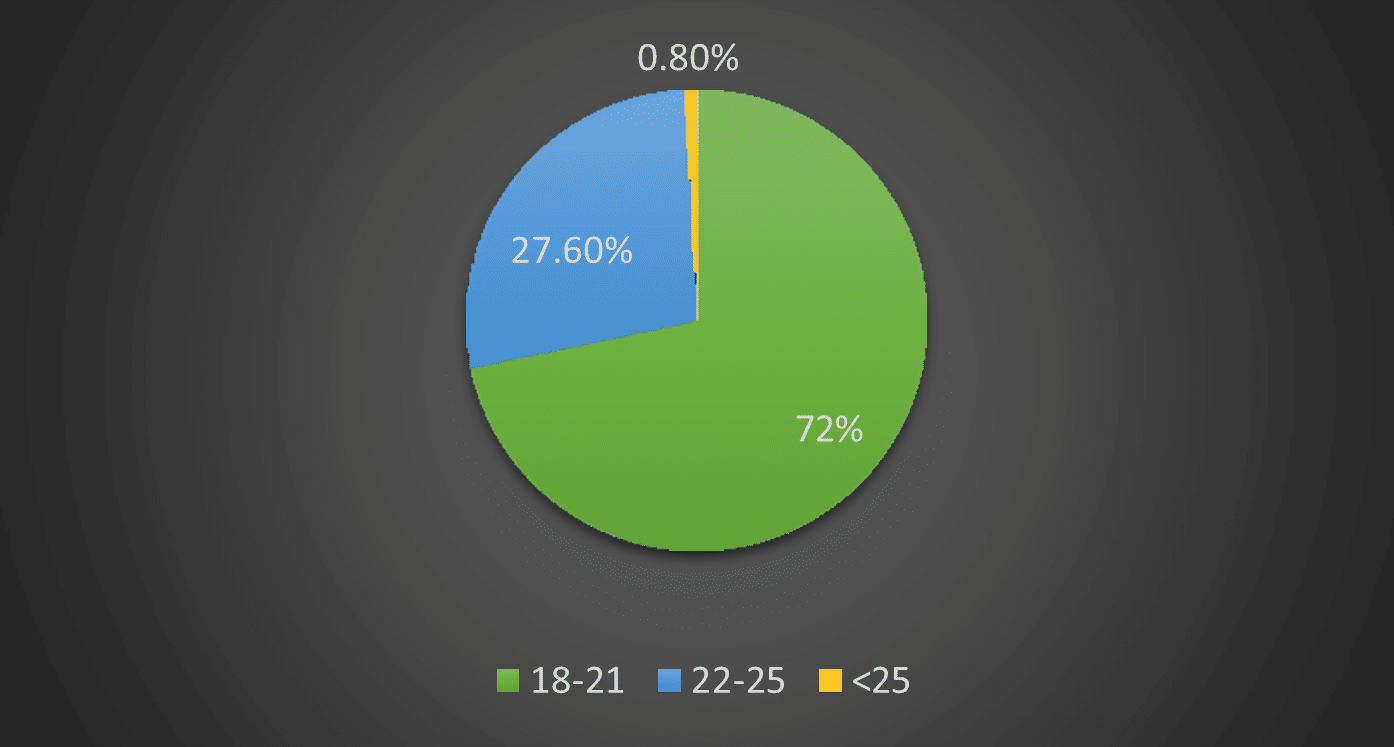
Figure 2: Age group of the participants
Participants for the research were limited to the Bachelor of Dental Surgery (BDS) program, with the survey consisting of an equal response rate from the students of first, second, third, fourth, and fifth years (Figure 3).

Figure 3: Year of study in undergraduate dental program
General awareness of dental implants among dental students of GMU: Out of 250 participants, a majority of 239 (95.60%) students said that they did not have any missing teeth. Only 11 (4.4%) of the participants said that they have missing teeth (Figure 4).

Figure 4: Percentage of students who have missing teeth
Figure 5 shows the number of students aware of dental implants as a treatment modality for missing teeth. Among the 250 participants, 229 (91.6%) students said that they were aware of dental implants when compared to 21 (8.4%) students who were not aware of this treatment modality.
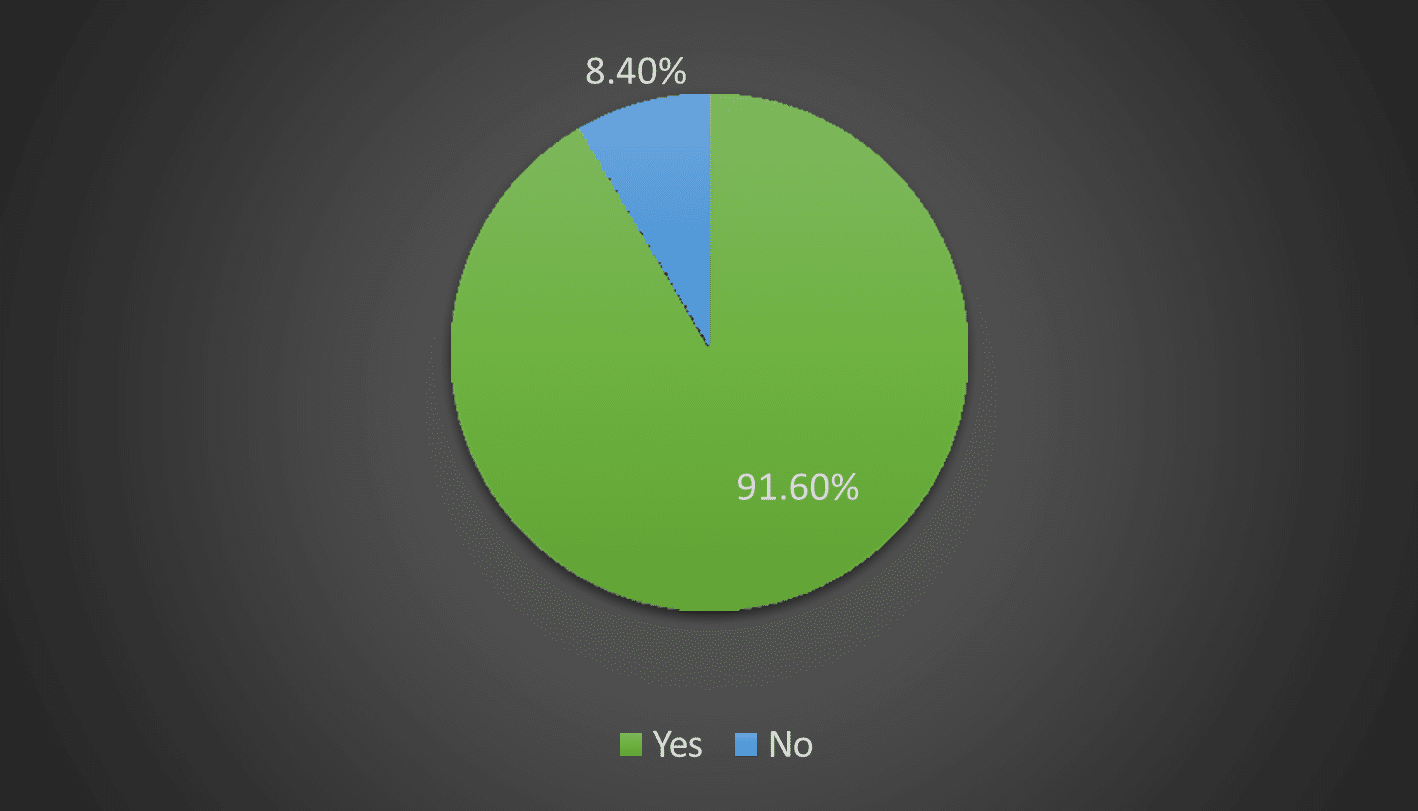
Figure 5: Awareness about dental Implants
As per Figure 6, out of 250 students who took part in the survey, it was observed that 212 (84.2%) participants would choose dental implant treatment as an option for replacing missing teeth, whereas 38 (15.2%) of the participants would not consider dental implants as a treatment choice.
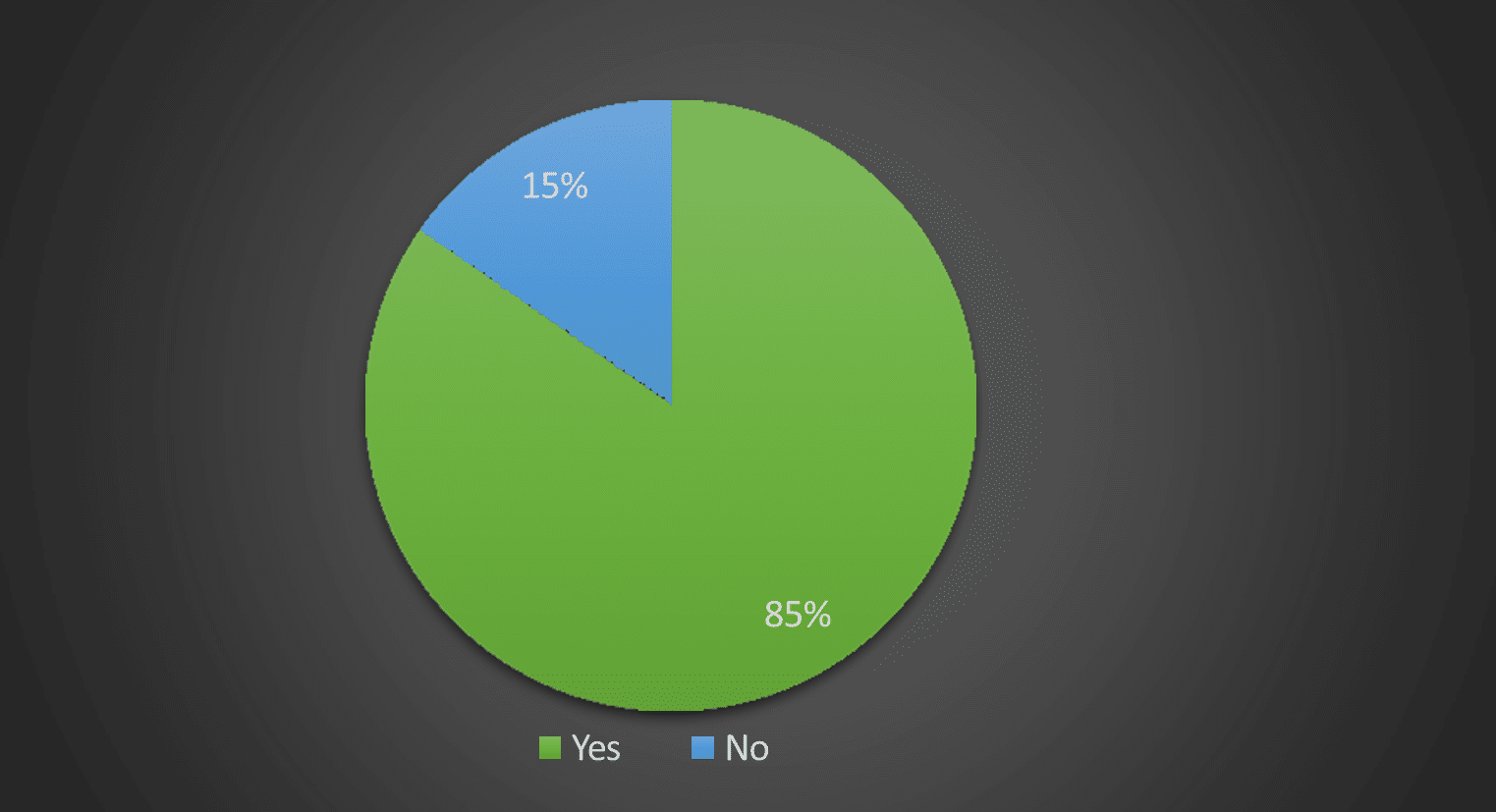
Figure 6: Dental implant as a treatment modality for missing teeth
The participants were asked about their mode of acquiring information about dental implants, and the bar graph revealed that a total of 164 (65.6%) students got to know about dental implants from social media. 15 (6%) students from relatives and friends, 66 (26.4%) students from their university, and only 5 (2%) of the students were informed about dental implants by dentists (Figure 7).

Figure 7: Mode of information about dental implants
Knowledge about dental implants among the dental students of GMU: Participants were further assessed on their knowledge about dental implants. The participants were queried if they knew what dental implants were, to which 210 (84%) students chose screw as an option, 24 (9.6%) students believed that dental implant was a piece of metal, 12 (4.8%) students heard about it but could not explain it and only 4 (1.6%) students said that they were not sure (Figure 8).

Figure 8: Participant responses on what a dental implant
The study further evaluated student knowledge about dental implants by asking them about the material used in dental implants. In the figure. 7, the bar graph depicts majority of the students 156 (62.4%) selected stainless steel as their choice. 66 (26.4%) of the participants chose titanium, 5 (2%) students answered porcelain, and 23 (9.2%) of them were not sure (Figure 9).

Figure 9: Material of dental implant
The data acquired in the graph below represents the extent of knowledge among students about the location where dental implants are placed. 113 (45.2%) of the participants believed that dental implants were placed in the bone, 127 (50.8%) participants said that they were to be placed in the gums, 6 (2.4%) students felt that the placement of dental implants is done within the neighboring teeth, and 4 (1.6%) students were not sure (Figure 10).

Figure 10: Placement of dental implants
The data collected (Figure 11), represents 121 (48.4%) participants answered that dental implants need special care and hygiene as compared to natural teeth whereas 129 (51.6%) students did not agree.
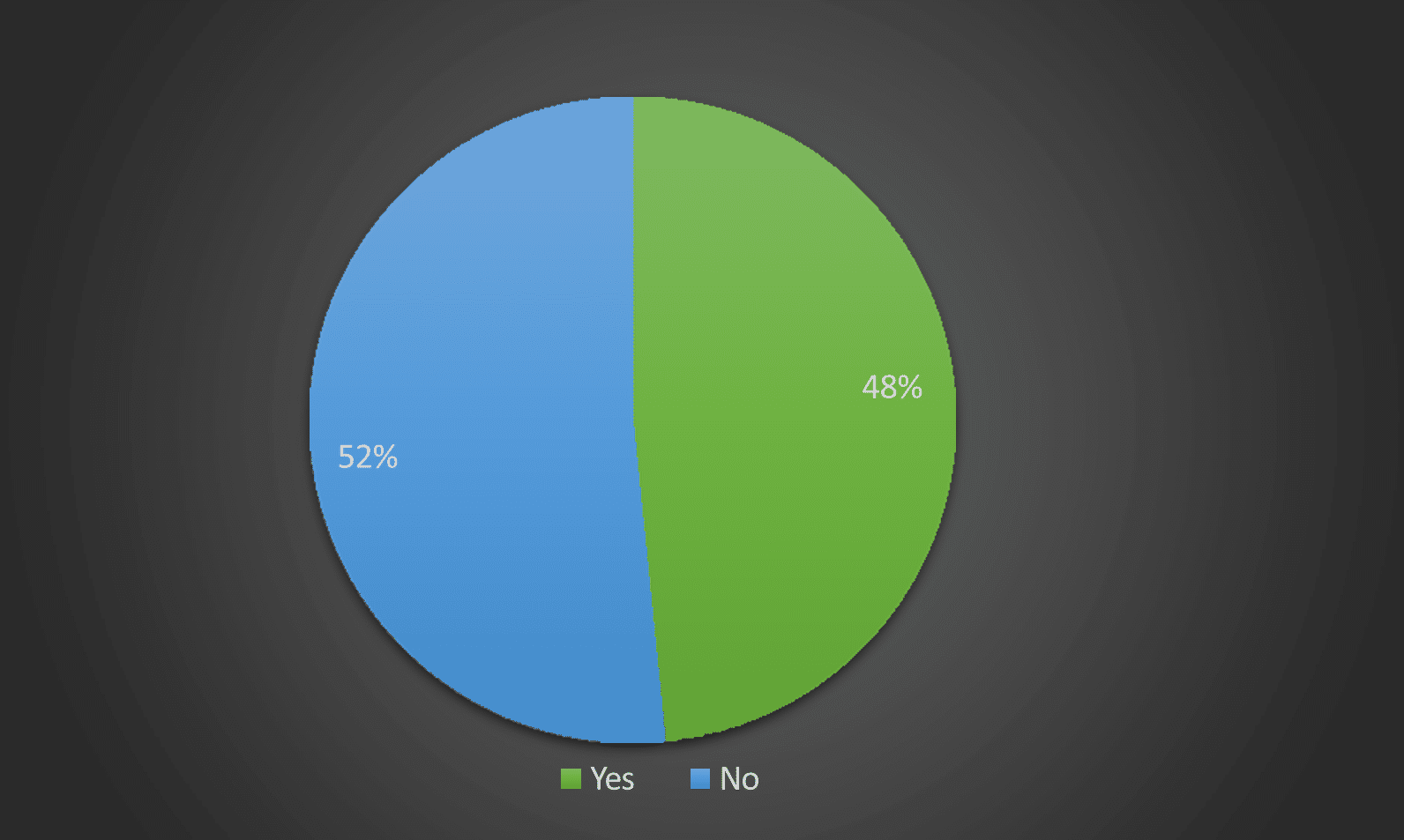
Figure 11: Need for special care and hygiene with dental implants
Figure 12 illustrates the view of the dental students that they believe could cause hinderance towards convincing patients to undergo dental implant treatment. Out of 250 participants, 53 (21.20%) participants chose fear as their option, 146 (58.4%) of the students felt that high cost of dental implant treatment was one of the hindrance factors, 6 (2.4%) students said that time- constraint could be the reason and 45 (18%) students selected awareness as their choice.
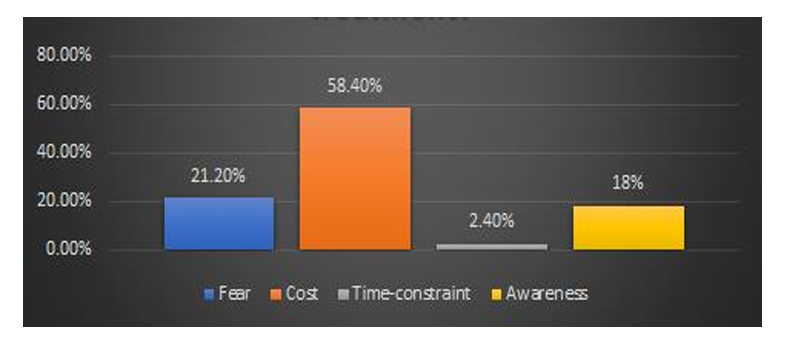
Figure 12: Factors preventing patients from getting dental implants
Further evaluation was conducted to examine the in-depth knowledge of the dental students about the estimated life of the dental implants. As per Figure 13, the bar graph depicts that 96 (38.4%) students thought that dental implants would last for >5 years, 49 (19.6%) students chose <5 years, 59 (23.6%) chose the option of lifetime, and 46 (18.4%) students were not sure.

Figure 13: Estimated life span of dental implants
The following graph shows the number of students who were asked about the advantages of dental implants over other treatment modalities. It was observed that 83(33.2%) students chose esthetics as their option, 24(9.6%) students felt it was more conservative, a majority of 132(52.8%) students believed longevity was the advantage of dental implants, and 11(4.4%) were not sure (Figure 14).

Figure 14: Advantages of dental implants over alternative treatment modalities
The data collected (Figure 15), determines that 41 (16.5%) of the participants felt case selection was the most important factor for implant success. 35 (14.1%) participants chose patient compliance as their option, whereas most of the students, that is, 130 (52.2%), believed that the success of a dental implant treatment mainly depends on the experience of the operator, and 43 (17.3%) of the participants were not sure.
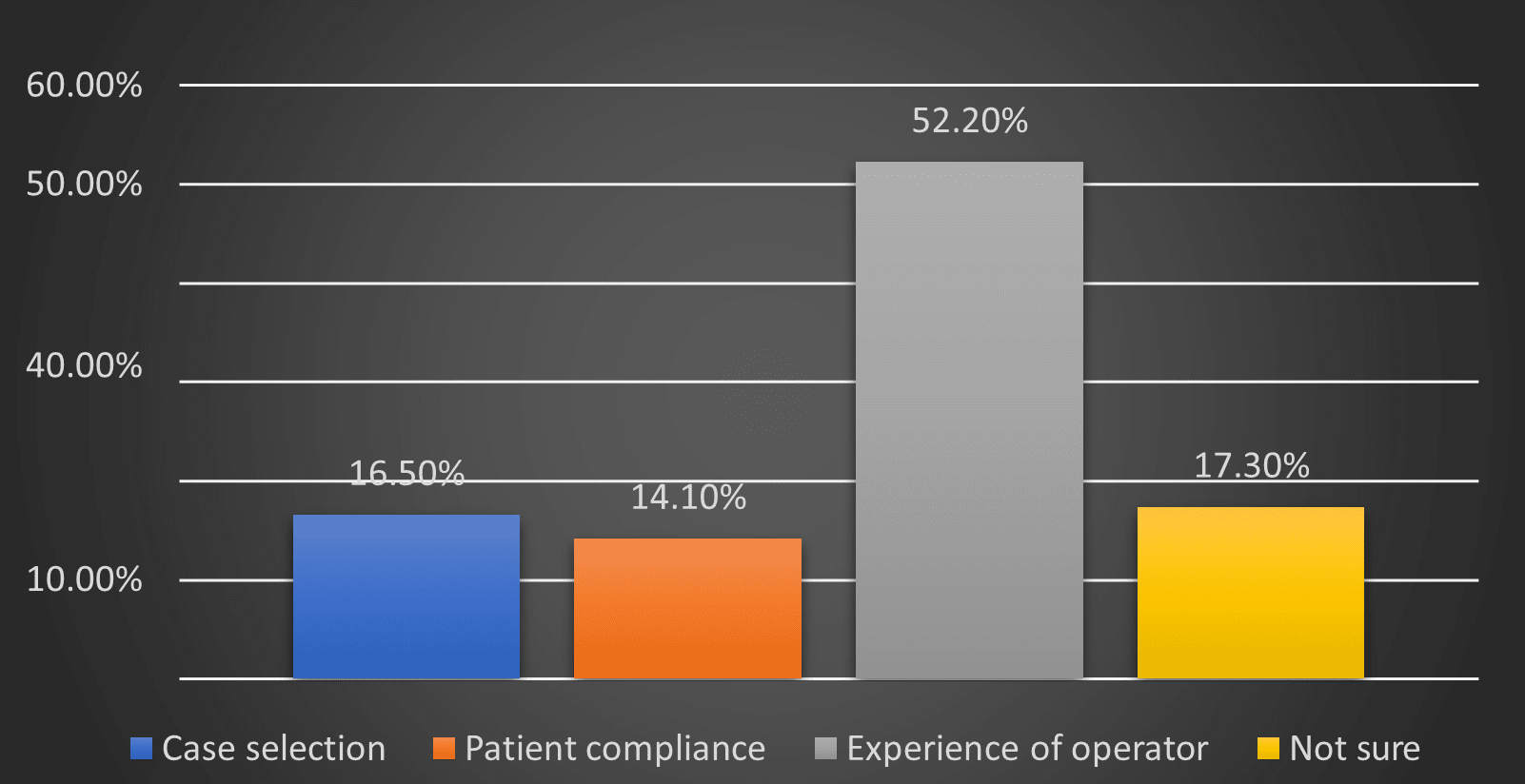
Figure 15: Factors responsible for the success of dental implant treatment
Figure 16 conveys the number of students willing to know more about dental implants. Out of 250 students, a majority of 247 (98.8%) students showed their interest in knowing more about dental implants. Only 3 (1.2%) of the students did not want to be informed more about dental implants.

Figure 16: Response of participants to gain more information on dental implants
Discussion
Ever since the concept of osteointegration has been introduced in the dental field, the choice of treating missing teeth using dental implants has become quite popular. Dental implant is a prosthetic device embedded in the bone to replace missing teeth. Dental Implantology is highly predictable and renders itself as a valid option for partial or complete edentulous individuals. Despite the demand and success of dental implant therapy, the procedures and academic importance of dental implants have been neglected in most of the undergraduate dental programs, because of which many dental students lack basic knowledge about dental implants. Patients are still seeking to learn more about dental implant therapy, thus there is a need for information that must be provided by dental programs in universities to the future dentists so that they can guide the patients with basic process of dental implant treatment, risks and factors associated with it and an overall picture of the entire treatment.[14,15]
Hence, the aim of our study was to evaluate awareness and knowledge about dental implants as an alternative treatment for oral rehabilitation amongst the undergraduate dental students at GMU. Among the 250 students who participated in the survey, it was noticeable that there was a female predominance, consisting of 138 (55.2%) participants, while the male respondents were 112 (44.8%). This result could be attributed to the fact that dentistry offers a chance to combine creative skills with scientific practice that often appeals to females, particularly those who lean more towards artistic pursuits. As we know, patients are often terrified when they must visit dentists, and the natural nurturing temperament of females, who enjoy working closely with people, can help deal with nervous patients more easily. With regards to the age group, 180 (72%) students were between the range of 18-21 years, 68 (27.2%) students were between 21-25 years, while only 2 (0.8%) of the students were above 25 years. The results gathered from the present research study had some predictable as well as some unexpected outcomes. A set of questions asked in the survey were based on awareness about dental implants, and the remaining were knowledge-based.
In response to the question whether the students had any missing teeth, a majority of 239 (99.5%) students did not have any missing teeth, while only 11 (4.4%) of the students had missing teeth. When the students were asked whether replacing missing teeth was important, 233 (93.2%) of the students gave a positive answer, and 17(6.8%) students believed that replacing missing teeth was not necessary. According to a study by SV Seva et al., only 21.9% of males and 25.2% of females were aware of dental implants as a treatment modality. This is contrary to our data. Two studies by Mallika S et al and Pariani et al revealed that despite patients who knew about dental implants as a treatment modality, they did not prefer replacing missing teeth due to financial constraints.[16,17]
Our study showed that 229 (91.6%) of the students heard about dental implants, and 21 (8.4%) students were not aware of them. Earlier studies performed by Zimmer et al, Berge, Suprakash et al, and Kohli et al examined the level of awareness regarding dental implants among the public and reported a high level of awareness about dental implants.[18-21] This agrees with our results. Furthermore, 212 (84.2%) participants said that they would consider dental implant treatment as an option for replacing missing teeth.
In our study, a less percentage of 5 (2%) students got information from dentists and 66 (26.4%) students from the university. This indicates that there is a need to make a significant amount of effort in delivering more knowledge on dental implants among the dental undergraduates through a structured syllabus for them to contribute and support further advancements in the field of dental implantology.
When the participants were asked about the materials that dental implants were made of, 156 (62.4%) of the participants selected stainless steel, 66 (26.4%) chose titanium, 5 (2%) porcelain, and the remaining 23 (9.2%) were not sure. Most dental implants are made of titanium due to their strong, corrosion-resistant property; it does not irritate the surrounding tissues when placed in the bone, thus reducing the chances of patients suffering from inflammation. One of the most important characteristics of titanium is that it encourages the process of osteointegration and therefore serves as a strong and stable dental implant.[22] But the data analysis shows that very few students chose titanium as their option, which shows that the majority of them were unaware of this basic information. It’s of utmost importance to scale up the process of providing basic knowledge concerning dental implants.
In our survey, a question about whether special care and hygiene are required for dental implants was asked by the students. 129 (51.6%) students disagreed, and 121 (48.4%) felt that special hygiene and care were required. According to Rustemeyer J et al, only 7% felt that implant prosthesis requires less care, and 31% believed that more care was needed for dental implants when compared to natural teeth.[23] Another study conducted by Tepper et al was done among 1000 people, which showed that only 4% of the patients felt that implants would require less care than natural teeth, 46% said that higher care was necessary, and the remaining 44% believed that a comparable level of care was needed.[24] This is contrary to the results in our study. A study conducted by Akagawa et al in the Japanese population also recorded that the high cost of dental implant treatment was a major problem.[25] Another study by Kent et al observed that high cost was the chief reason for patients not to opt for dental implants as a treatment choice.[26]
A study conducted by Pragati S et al among people residing in Jaipur showed that 61.6% were not willing to undergo a dental implant procedure due to unaffordable fees.[27] This study reveals that the prime factor blocking the patients from seeking implant treatment is the high cost. This agrees with our studies. Question regarding the estimated life span of dental implants, 96(38.4%) students said that dental implants would last for a lifetime, 59 (2.6%) students selected greater than 59 years. 49 (19.6%) students believed that the life span of dental implants is less than 5 years, and 46 (18.4%) students were not sure.
Literature studies have reported that one of the main advantages of dental implants is that they are more conservative.[28,29] Based on this, a question about the advantage of dental implants over other alternatives to replacing missing teeth was mentioned to the students, to which only 24 (9.6%) students answered that dental implants were conservative. A majority of 132 (52.8%) students said longevity, 83 (33.4%) students said esthetics, and 11 (4.4%) students were not sure.
A study by Derks J et al reported that poor oral hygiene and patient non-compliance majorly contributed to clinical complications in dental implant treatment and factors such as restoration type and cantilever design played a major role in implant success.[30] Long-term success of implants is mainly based on biological and mechanical compatibility. Factors such as integrity, design, size, and placement method are important to achieving a successful implant treatment. The selection of the implant type depends on bone volume, jaw space, occlusal pattern, etc.[31,32]
Another study undertaken by Vohra F et al observed that 50% of the dental students wanted to gain more knowledge about dental implants and 40% of the students agreed that they did not receive sufficient information about dental implant therapy.[33] A certificate program on dental implants could be introduced by universities to further spread awareness and knowledge regarding oral implantology, not just among dental students but medical students as well. Studies by Sanchez et al reported that 71% of students supported the idea of a one-year certificate or modular programs by dental implantologists.[34] Conducting and implementing various public awareness campaigns through social media platforms can help spread knowledge and awareness about dental implants faster to millions of individuals.
Limitations of the study: As per the research study carried out and the results obtained, there are certain areas that could have been improved on:
- A sample size of more than 250 students could have aided us in making our research more
- Our research was limited to only dental students at GMU.
- Targeting a population outside the university would have helped in achieving more reliable and accurate data.
- Since most respondents were females, the study was unequally distributed, as both males and females have different thresholds.
Conclusion
In conclusion, we observed that dental students still lack basic knowledge regarding dental implants, and there is a need for educational intervention. A significant number of students showed their willingness to learn more about dental implants. It is necessary to provide more knowledge about the medical and dental significance of dental implants along with their recent advancements to the dental students. The findings of the study emphasize the importance of academic training and the need for more structured teaching programs to increase awareness and knowledge about dental implantology among undergraduate dental students.
References
- Gaviria L, Salcido JP, Guda T, Ong JL. Current trends in dental implants. J Korean Assoc Oral Maxillofac Surg. 2014;40(2):50-60. doi:10.5125/jkaoms.2014.40.2.50 PubMed | Crossref | Google Scholar
- Hatim NA, Al–Rawee RY, Tawfeeq BA. Criteria for selection of implant cases. Al–Rafidain Dent J. 2006;6(2):161-170. Criteria for selection of implant cases
- Mattheos N, Albrektsson T, Buser D, et al. Teaching and assessment of implant dentistry in undergraduate and postgraduate education: a European consensus. Eur J Dent Educ. 2009;13 Suppl 1:11-17. doi:10.1111/j.1600-0579.2008.00556.x PubMed | Crossref | Google Scholar
- Petropoulos VC, Arbree NS, Tarnow D, et al. Teaching implant dentistry in the predoctoral curriculum: a report from the ADEA Implant Workshop’s survey of deans. J Dent Educ. 2006;70(5):580-588. Teaching implant dentistry in the predoctoral curriculum: a report from the ADEA Implant Workshop’s survey of deans
- Lang NP, De Bruyn H; 1st European Consensus Workshop in Implant Dentistry University Education. The rationale for the introduction of implant dentistry into the dental curriculum. Eur J Dent Educ. 2009;13 Suppl 1:19-23. doi:10.1111/j.1600-0579.2008.00540.x PubMed | Crossref | Google Scholar
- Elani HW, Starr JR, Da Silva JD, Gallucci GO. Trends in Dental Implant Use in the U.S., 1999-2016, and Projections to 2026. J Dent Res. 2018;97(13):1424-1430. doi:10.1177/0022034518792567 PubMed | Crossref | Google Scholar
- Sammartino G, Marenzi G, Citarella R, Ciccarelli R, Wang HL. Analysis of the occlusal stress transmitted to the inferior alveolar nerve by an osseointegrated threaded fixture. J Periodontol. 2008;79(9):1735-1744. doi:10.1902/jop.2008.080030 PubMed | Crossref | Google Scholar
- Alhassani AA, AlGhamdi AS. Inferior alveolar nerve injury in implant dentistry: diagnosis, causes, prevention, and management. J Oral Implantol. 2010;36(5):401-407. doi:10.1563/AAID-JOI-D-09-00059
PubMed | Crossref | Google Scholar - Khawaja N, Renton T. Case studies on implant removal influencing the resolution of inferior alveolar nerve injury. Br Dent J. 2009;206(7):365-370. doi:10.1038/sj.bdj.2009.258 PubMed | Crossref | Google Scholar
- Strauss ER, Ziccardi VB, Janal MN. Outcome assessment of inferior alveolar nerve microsurgery: a retrospective review. J Oral Maxillofac Surg. 2006;64(12):1767-1770. doi:10.1016/j.joms.2005.11.111 PubMed | Crossref | Google Scholar
- Buser D, Martin W, Belser UC. Optimizing esthetics for implant restorations in the anterior maxilla: anatomic and surgical considerations. Int J Oral Maxillofac Implants. 2004;19 Suppl:43-61. Optimizing esthetics for implant restorations in the anterior maxilla: anatomic and surgical considerations
- Grunder U, Gracis S, Capelli M. Influence of the 3-D bone-to-implant relationship on esthetics. Int J Periodontics Restorative Dent. 2005;25(2):113-119. Influence of the 3-D bone-to-implant relationship on esthetics
- Goiato MC, dos Santos DM, Santiago JF Jr, Moreno A, Pellizzer EP. Longevity of dental implants in type IV bone: a systematic review. Int J Oral Maxillofac Surg. 2014;43(9):1108-1116. doi:10.1016/j.ijom.2014.02.016
PubMed | Crossref | Google Scholar - Zitzmann NU, Sendi P, Marinello CP. An economic evaluation of implant treatment in edentulous patients-preliminary results. Int J Prosthodont. 2005;18(1):20-27. An economic evaluation of implant treatment in edentulous patients-preliminary results
- Mattheos N, Albrektsson T, Buser D, et al. Teaching and assessment of implant dentistry in undergraduate and postgraduate education: a European consensus. Eur J Dent Educ. 2009;13 Suppl 1:11-17. doi:10.1111/j.1600-0579.2008.00556.x PubMed | Crossref | Google Scholar
- Shetty M, Panchmal GS, Shenoy KK. Awareness toward replacement of teeth, duration of use, and maintenance of dental prosthesis among adult rural population in Mangalore Taluk. J Interdiscip Dent. 2019;9(1):15. doi:10.4103/jid.jid_74_18 Crossref | Google Scholar
- Parlani S, Tripathi A, Singh SV. Increasing the prosthodontic awareness of an aging Indian rural population. Indian J Dent Res. 2011;22(3):367-370. doi:10.4103/0970-9290.87054 PubMed | Crossref | Google Scholar
- Zimmer CM, Zimmer WM, Williams J, Liesener J. Public awareness and acceptance of dental implants. Int J Oral Maxillofac Implants. 1992;7(2):228-232. Public awareness and acceptance of dental implants
- Berge TI. Public awareness, information sources and evaluation of oral implant treatment in Norway. Clin Oral Implants Res. 2000;11(5):401-408. doi:10.1034/j.1600-0501.2000.011005401.x PubMed | Crossref | Google Scholar
- Suprakash B, Ahammed AR, Thareja A, Kandaswamy R, Nilesh K, Bhondwe Mahajan S. Knowledge and attitude of patients toward dental implants as an option for replacement of missing teeth. J Contemp Dent Pract. 2013;14(1):115-118. doi:10.5005/jp-journals-10024-1282 PubMed | Crossref | Google Scholar
- Kohli S, Bhatia S, Kaur A, Rathakrishnan T. Patients awareness and attitude towards dental implants. Indian J Dent. 2015;6(4):167-171. doi:10.4103/0975-962X.168518 PubMed | Crossref | Google Scholar
- Özcan M, Hämmerle C. Titanium as a Reconstruction and Implant Material in Dentistry: Advantages and Pitfalls. Materials (Basel). 2012;5(9):1528–45. doi:10.3390/ma5091528 Crossref | Google Scholar
- Rustemeyer J, Bremerich A. Patients’ knowledge and expectations regarding dental implants: assessment by questionnaire. Int J Oral Maxillofac Surg. 2007;36(9):814-817. doi:10.1016/j.ijom.2007.05.003
PubMed | Crossref | Google Scholar - Tepper G, Haas R, Mailath G, et al. Representative marketing-oriented study on implants in the Austrian population. I. Level of information, sources of information and need for patient information. Clin Oral Implants Res. 2003;14(5):621-633. doi:10.1034/j.1600-0501.2003.00916.x PubMed | Crossref | Google Scholar
- Akagawa Y, Rachi Y, Matsumoto T, Tsuru H. Attitudes of removable denture patients toward dental implants. J Prosthet Dent. 1988;60(3):362-364. doi:10.1016/0022-3913(88)90286-7 PubMed | Crossref | Google Scholar
- Kent G. Effects of osseointegrated implants on psychological and social well-being: a literature review. J Prosthet Dent. 1992;68(3):515-518. doi:10.1016/0022-3913(92)90421-6 PubMed | Crossref | Google Scholar
- Kaurani P, Kaurani M. Awareness of dental implants as a treatment modality amongst people residing in Jaipur (Rajasthan). J Clin Diagn Res. 2010;4:3622-3626. Awareness of dental implants as a treatment modality amongst people residing in Jaipur (Rajasthan)
- Chaudhary S, Gowda TM, Kumar TA, Mehta DS. Knowledge, attitudes, and perceptions of undergraduate dental students toward dental implants–an all-India survey. Implant Dent. 2015;24(2):160-165. doi:10.1097/ID.0000000000000184 PubMed | Crossref | Google Scholar
- Sinha MK, Agarwal M, Shah SS, Desai S, Desai AV, Champaneri H. Constraints among patients while opting dental implant as a treatment option. Int J Oral Care Res. 2019;7:8-11. Constraints among patients while opting dental implant as a treatment option
- Derks J, Schaller D, Håkansson J, Wennström JL, Tomasi C, Berglundh T. Effectiveness of Implant Therapy Analyzed in a Swedish Population: Prevalence of Peri-implantitis. J Dent Res. 2016;95(1):43-49. doi:10.1177/0022034515608832 PubMed | Crossref | Google Scholar
- Raesi Estabragh A, Golestaneh A, Maleki Gorji M, Kheiri L. Effective factors in implant system selection by dentists in Kerman in 2018: A cross-sectional study. J Res Dent Maxillofac Sci. 2019;4(4):28-42. Effective Factors in Implant System Se- lection by Dentists in Kerman in 2018: A Cross-Sectional Study
- Papaspyridakos P, Mokti M, Chen CJ, Benic GI, Gallucci GO, Chronopoulos V. Implant and prosthodontic survival rates with implant fixed complete dental prostheses in the edentulous mandible after at least 5 years: a systematic review. Clin Implant Dent Relat Res. 2014;16(5):705-717. doi:10.1111/cid.12036 PubMed | Crossref | Google Scholar
- Vohra F, Shah AH, Zafar MS, Kola Z. Knowledge and practice of implant-retained restorations among dental students in Saudi Arabia. Pak J Med Sci. 2015;31(4):848-853. doi:10.12669/pjms.314.7384 PubMed | Crossref | Google Scholar
- Sánchez-Garcés MA, Berástegui-Jimeno E, Gay-Escoda C. Knowledge, aptitudes, and preferences in implant dentistry teaching/training among undergraduate dental students at the University of Barcelona. Med Oral Patol Oral Cir Bucal. 2017;22(4):e484-490. doi:10.4317/medoral.21741 PubMed | Crossref | Google Scholar
Acknowledgments
We would like to express our sincere gratitude to our supervisor, Dr. Pooja Narain Adtani, for her expert advice, valuable feedback, and encouragement throughout the duration of this research. We would further like to extend our gratitude to Dr. Anusha Sreejith for her expertise in statistical analysis during the course of our project. Last but not least, the authors extend their sincere gratitude to Gulf Medical University for their input and cooperation, as they contributed to filling out our questionnaires, which allowed us to collect valuable information that aided in our research. We also acknowledge the scientific community for their foundational studies, which were significantly instrumental in shaping our investigation.
Funding
This research did not receive any funding.
Author Information
Corresponding Author:
Aayushi Goel
Department of Basic Medical and Dental Sciences
College of Dentistry, Gulf Medical University, UAE
Email: [email protected]
Co-Authors:
Aisha Jamari, Pooja Narain Adtani
Department of Basic Medical and Dental Sciences
College of Dentistry, Gulf Medical University, UAE
Authors Contributions
Aayushi Goel and Aisha Jamari were responsible for conceptualization, data collection, methodology, manuscript drafting, literature review, and writing. Dr. Pooja provided guidance, supervision, manuscript revision, and final approval of the publication.
Ethical Approval
This research was conducted as a student project within the university, and therefore, institutional review board (IRB) approval was not mandatory. All participants provided written consent before data collection, confirming their willingness to participate in the study.
Conflict of Interest Statement
The authors declare no conflicts of interest.
Guarantor
None
DOI
Cite this Article
Aayushi G, Aisha J, Pooja NA. Awareness and Knowledge of Dental Implant Treatment Among Undergraduate Dental Students at Gulf Medical University, Ajman: A Cross-Sectional Study. medtigo J Med. 2025;3(1):e30623136. doi:10.63096/medtigo30623136 Crossref