








 Author Affiliations
Abstract
Background: The Z-Track technique is an intramuscular injection method designed to prevent medication leakage, reduce tissue irritation, and minimize complications at the injection site. Proper use of this technique is important for ensuring safe and effective medication administration. Evidence suggests that many nurses may have insufficient knowledge regarding the correct application of the Z-Track method, which can negatively affect patient safety and treatment outcomes.
Aim: The study aimed to assess the knowledge of nurses regarding the Z-Track technique and examine its association with educational qualifications in a tertiary care hospital.
Methodology: A descriptive cross-sectional study was conducted among 135 nurses working in different wards of a tertiary care hospital. Data were collected using a structured self-administered questionnaire that included demographic characteristics and questions assessing knowledge of the Z-Track technique. Knowledge levels were categorized as poor, average, or good. Descriptive statistics were used to summarize the data, and the chi-square test was applied to determine the association between educational level and knowledge.
Results: Among the participants, 26.7% demonstrated poor knowledge, 54.1% had average knowledge, and 19.2% showed good knowledge of the Z-Track technique. Diploma nurses had the highest proportion of poor knowledge, while nurses with MSN or higher qualifications showed better knowledge levels. The association between educational level and knowledge was not statistically significant (χ² = 5.67, df = 6, p = 0.46).
Conclusion: Most nurses had average knowledge of the Z-Track technique. Continuous training and professional development programs are recommended to improve knowledge and promote safe intramuscular injection practices.
Keywords
Z-Track technique, Intramuscular injection, Nurses’ knowledge, Nursing education, Patient safety.
Introduction
The main terms that will be the main focus of this research are intramuscular injection, Z-track technique, nursing knowledge, administration of medications, safety, and tertiary care hospital. The administration of drugs deep into the muscle tissue in order to obtain quick absorption is known as intramuscular injection.[1] If the needle is not inserted into the subcutaneous tissue, the chance of leakage of the drug into the subcutaneous tissue is high, and in order to avoid this, the Z-track technique is a particular intramuscular injection method whereby skin and subcutaneous tissue are moved to one side, and then the needle is inserted into the skin and tissue without passing through the subcutaneous tissue.[2] Nursing knowledge refers to the mental knowledge and clinical awareness of nurses on the proper practices and evidence-based practice. Medication administration safety is considered to be those practices that focus on reducing errors and complications in drug delivery.[3]
The need to change the system of improper intramuscular injection is widely discussed on the global and regional levels in healthcare systems. Literature reviews done in Third World and developing countries have indicated a consistent pattern where a high percentage of nurses have poor knowledge of recommended standards of intramuscular injection.[4] Lack of knowledge and skill is also associated with poor continuing education and non-standardized training. There is evidence that improper procedures of intramuscular injections are one of the causes of complications of pain, tissue irritation, abscess, nerve damage, and medication leakage. The complications have a negative influence on patient outcomes and satisfaction with nursing care. The problem is further aggravated in tertiary care hospitals in Pakistan, where the training opportunities are limited, and the patient turnover is high. All these aspects point to the high prevalence and persistence of poor injection practices.[5]
One of the most commonly conducted nursing procedures in any hospital setting of all levels of care, is intramuscular injections. Nurses make use of a wide variety of drugs via this path, such as antibiotics, vaccines, painkillers, hormone preparations, and antipsychotic medications. The intramuscular route is favorable for drugs whose absorption should be rapid and long-lasting. Successful intramuscular drug delivery is heavily reliant on the proper technique, making the choice of an anatomical location, and following the general clinical guidelines to the letter. Technical mistakes may change the uptake and efficacy of drugs. Poor injection procedures undermine the treatment effects and predispose one to complications. Safe intramuscular administration is thus a major nursing task.[6,7]
The Z-track method is mostly used when dealing with irritating, staining, or viscous drugs. This is done by moving the skin and subcutaneous tissue laterally before the needle is inserted, forming a zigzag track, trapping the medication in the muscle.[8] The technique minimizes pain, tissue damage, and traces of medication that may be caused by the needle route. It is indicated in clinical guidelines as significant regarding drugs like iron dextran, some antipsychotics, and oily solutions. Adequate application of the Z-track methodology reduces post injection pain and stains on the skin. Procedural steps need to be properly understood in order to be applied efficiently. Theoretical knowledge and psychomotor skills are important to proper execution.[9]
In hospital settings, nurses will be key participants in safe medication administration. The quality of care provided, as well as patient safety, directly depends on their level of knowledge. It is the duty of nurses to identify proper sites of injections, select the right methods, and observe post injection complications.[10] Lack of knowledge in terms of intramuscular injection procedures contributes to the increase in the probability of adverse events that can be avoided. These gaps can lead to poor patient outcomes and low confidence in healthcare services. Poor knowledge is also a factor that destroys professional standards of nursing. The knowledge of nurses should be clinically evaluated continuously to determine learning requirements and enhance clinical practice.[11]
In the contemporary healthcare setup, patient safety has emerged as a focus in the global healthcare setup. Medication errors are one of the primary causes of avoidable harm in a hospital. Malpractices that are associated with injection techniques fall under nursing sensitivity, and they can be primarily avoided by education.[4] The lack of proper methods of intramuscular injections is one of the causes of local and systemic complications. These mistakes add to the cost of healthcare and the length of stay. Competency in skills is one of the preventive measures indicated in international patient safety guidelines. Regular competency-based assessments and knowledge-based interventions have been identified as effective means of minimizing medication-related errors.[12]
The subjective reciprocal experiences of pain and discomfort related to intramuscular injections have a tremendous effect on patient satisfaction and compliance. When the patient has recurrent painful injections, anxiety, and unwillingness to take prescribed medications may develop.[6] Improper injection methods augment procedure pain, hemorrhage, and post-injection pain. Pediatric, geriatric, and chronically ill patients are especially vulnerable. The Z-track method has been proven to minimize post injection pain when properly done. Reduction in pain enhances patient compliance and general care experiences. This awareness of these positive effects by nurses will determine their acceptance and regular application of the technique.[13]
The nursing training is usually focused on the general methods of injection, with little devoted to the special methods. The Z-track method is usually presented as a theory but is poorly supported in clinical practice. Education programs in the process of in-service are usually disorganized because of the lack of people and workload. After graduation, nurses have few chances to renew their competencies. Consequently, most of them are left with old or informal traditions that they acquired at the beginning of their careers. Insufficient refresher training encourages bad practices. This scenario demonstrates the necessity to measure the level of existing knowledge of working nurses.[14,15]
Tertiary care hospitals deal with hospital cases that are too complicated and necessitate regular intake of medication. The use of intramuscular injections is associated with its efficacy in both acute and chronic care settings. Patients who are very sick raise the volume and pressure on the nurses in terms of work and time. Nurses under pressure can skip the recommended steps that are necessary during a procedure to save time. The Z-track technique could be neglected in terms of its clinical significance. These omissions can be attributed to less knowledge or a lack of proper training. Knowledge assessment can be used to figure out if the barriers are cognitive or operational.[16]
The cost of the healthcare system is further burdened by healthcare-associated complications that occur due to poor practices in injection. The cases of tissue necrosis, focal infections, hematoma, and nerve damage are reported to be the outcomes of improper intramuscular injections. These complications increase the time of recovery and might need extra treatment.[17] This is because increased hospital stay has increased healthcare expenses for patients and institutions. The competence of nurses is important in the prevention of injection-related complications. Injection methods are evidence-based techniques that minimize harm that is avoidable. Safe and competent clinical performance is based on knowledge.[18]
The nursing standards of practice focus on professional accountability, competence, and compliance with the best clinical practices. Nursing councils and regulatory bodies support lifelong learning as a way of ensuring that professional standards are upheld. Administration of medications in a safe manner is regarded as a key nursing competency. Evaluation of the sources of knowledge of nurses about the Z-track technique is in tandem with their professional and ethical duties. Assessment of knowledge helps in the monitoring of clinical competence. Continuing professional development is also guided by such evaluations. They lead to general advancement in the quality of healthcare.[19]
In the context of developing healthcare systems, accessibility of organized professional education is influenced by the lack of resources. The formal training programs are inhibited by financial limitations and a lack of staff. The skills taught in emergency and critical care are a priority in education. Less emphasis is laid on routine procedures like intramuscular injections. Injection techniques can be considered simple skills that need weak reinforcement. This myth results in failure to update skills. Constant knowledge gaps among the nursing personnel are thus usual in low-resource environments.[11,20]
The available research shows that there is a significant difference in the knowledge and practice of the Z-track technique among nurses working in different healthcare settings. Disagreements depend on educational level, clinical practice, and experience with training programs. Nurses who are more qualified tend to exhibit superior procedural knowledge. Experience cannot ensure proper practice unless it comes after a long time. The specific needs within the local education system are to be determined by local research. The information regarding tertiary care hospitals in Swat is scarce. Planning targeted interventions is not possible without local evidence.[21]
Injection-related practices within the clinical settings are affected by cultural beliefs and expectations of patients. Certain patients are equating pain with the efficacy of medicines. Such a belief can result in the toleration of discomfort during injections. The value of pain-minimizing methods can be underestimated by nurses who must work in these cultural contexts. The lack of knowledge also diminishes the desire to use specialized practices. Patient education is a factor in modifying these perceptions. Better nursing knowledge enhances patient-centered care and comfort-oriented practices.[22]
Studies through assessment offer baseline data needed in evidence-based planning of education. The limited areas of weakness among nursing staff are established through knowledge assessment. Nursing administrators can use such data to develop specialized training. Specific interventions are superior to universal education. Enhanced knowledge leads to enhanced clinical performance. Assessment-based educational planning promotes patient safety. Quality improvement promoting initiatives are supported through evidence-based strategies.[23]
The tertiary care hospital of Swat has a huge and varied population from the local districts. This environment places a lot of workload and complicated clinical tasks on the nurses. The intramuscular route of medication administration is a standard practice of care delivery. Knowledge of nurses about the Z-track technique is important in determining gaps in practice. The lack of knowledge can affect patient safety and the quality of care. The results of this research can be used in training and policy-making. The research will help in making nursing practices and healthcare delivery less unsafe.
Methodology
A descriptive cross-sectional study design was used in order to determine the degree of nurse awareness of the Z-track technique of intramuscular injections. The research was carried out in a tertiary care teaching hospital located in Swat and offers a broad spectrum of medical and nursing care, as well as serving a heterogeneous population of patients. The registered nurses in different clinical units, such as medical, surgical, pediatric, obstetric, and emergency departments, were found to be eligible since intramuscular injection administration is a normal nursing practice in these clinical units. The population of the study consisted of registered nurses who were engaged in direct patient care. There was a sample of 135 nurses who were recruited through convenience sampling. The sample size was determined at a confidence level of 95, a margin of error of 5, and a population of 206 nurses, calculated through the hospital records. Nurses who had completed at least six months of clinical practice and were willing to take part were eligible, and those in administrative positions, on leave, or on contractual/daily wage employment were excluded.
Data collection procedure: The data was gathered with the help of a structured questionnaire based on a validated tool created by Nadiye Baris Eren on the knowledge of nurses about the Z-track technique. The questionnaire was made up of three parts. Demographic and professional-related data, such as clinical experience and past training in the field of intramuscular injections, were collected in Section A. B, which had 10 multiple-choice questions which were aimed at testing the knowledge of the nurses about the Z-track technique. Section C centered on practice and confidence with regard to the technique, which are self-reported. An official approval was sought from the hospital administration before data collection, and ethical approval was gained from the institutional review committee. All the participants provided informed consent in written form. The researcher used questionnaires to administer the questionnaires to the qualified nurses during the data collection period and collected the questionnaires at the end of the data collection period as a way of facilitating a good response rate.
Data analysis procedure: The Statistical Package of Social Sciences (SPSS) version 26 was used to analyze the data. Demographic characteristics and knowledge scores were in the form of descriptive statistics, such as frequencies, percentages, means, and standard deviations. The level of knowledge was identified as good or poor depending on the total amount of the knowledge section of the questionnaire. The inferential statistics were done to establish the relationships between chosen demographic factors and the level of knowledge about the Z-track technique among nurses through the chi-square tests. The findings were given in table and graph format to be more concise and easier to understand.
Results
Demographic characteristics of participants: The study sample comprised 135 nurses. Most participants were aged 30-39 years (40.7%), followed by 40-49 years (37.0%), and 50 years or above (22.2%). The majority were male (66.7%), while females accounted for 33.3%. Regarding education, 44.5% held a Post-Registered Nurse Bachelor of Science in Nursing (post-RN BSN), 29.6% had a diploma in nursing, 21.5% had a BSc Nursing, and 4.4% possessed an MSN or higher. Clinical experience varied, with 40.7% having more than 10 years, 37.0% between 6-10 years, and 22.2% between 2-5 years. Experience in administering intramuscular injections was mostly over 6 years (44.5%), with 40.7% between 4-6 years, and 14.8% between 1-3 years. Only 4.5% had formal training on the Z-Track technique, and 70.4% worked in units where intramuscular (IM) injections were frequently administered.
| Variable | Category | Frequency (n) | Percentage (%) |
| Age | 30-39 years | 55 | 40.7 |
| 40-49 years | 50 | 37.0 | |
| 50 years and above | 30 | 22.2 | |
| Gender | Male | 90 | 66.7 |
| Female | 45 | 33.3 | |
| Highest nursing qualification | Diploma in Nursing | 40 | 29.6 |
| BSc Nursing | 29 | 21.5 | |
| Post-RN BSN | 60 | 44.5 | |
| MSN or higher | 6 | 4.4 | |
| Years of clinical experience | 2-5 years | 30 | 22.2 |
| 6-10 years | 50 | 37.0 | |
| More than 10 years | 55 | 40.7 | |
| Years of experience in administering IM Injections |
1-3 years | 20 | 14.8 |
| 4-6 years | 55 | 40.7 | |
| More than 6 years | 60 | 44.5 | |
| Formal training on the Z-Track technique | Yes | 06 | 4.5 |
| No | 129 | 95.5 | |
| Work in a unit with frequent IM injections | Yes | 95 | 70.4 |
| No | 40 | 29.6 |
Table 1: Demographic characteristics of nurses
The knowledge assessment of nurses regarding the Z-Track technique revealed varied levels of correct responses across different questions. Most nurses (88.9%) correctly identified the purpose of the Z-Track technique. Knowledge about the medication commonly administered using this technique was accurate in 74.1% of participants. The direction of skin displacement was correctly answered by 85.2%, while 66.7% knew the appropriate waiting time before needle withdrawal. Correct actions after needle withdrawal were identified by 59.3% of nurses. Recommended needle angle knowledge was high at 81.5%, and 70.4% correctly identified the least recommended site. Awareness of risks such as skin discoloration if the Z-Track technique is not used was 63.0%, knowledge about needle change before injection was 55.6%, and 77.8% recognized that the technique prevents medication irritation to subcutaneous tissue.
| Knowledge question | Correct response frequency (n) | Correct response (%) |
| Purpose of the Z-track technique | 120 | 88.9 |
| Medication is commonly administered with Z-track |
100 | 74.1 |
| Skin displacement direction | 115 | 85.2 |
| Wait before needle withdrawal | 90 | 66.7 |
| Action after needle withdrawal | 80 | 59.3 |
| Recommended needle angle | 110 | 81.5 |
| Least recommended site | 95 | 70.4 |
| Risk of skin discoloration if the Z-track is not used |
85 | 63.0 |
| Needle change before injection | 75 | 55.6 |
| Prevents medication irritation to the subcutaneous tissue |
105 | 77.8 |
Table 2: Knowledge assessment of the Z-track technique
The assessment of overall knowledge regarding the Z-Track technique showed that 70 nurses (51.9%) demonstrated good knowledge, correctly answering 8 or more out of 10 questions. Meanwhile, 65 nurses (48.1%) had poor knowledge, scoring less than 8 correct responses. This indicates that just over half of the participants possessed adequate knowledge of the technique. The distribution reflects a relatively balanced level of knowledge among the nurses.
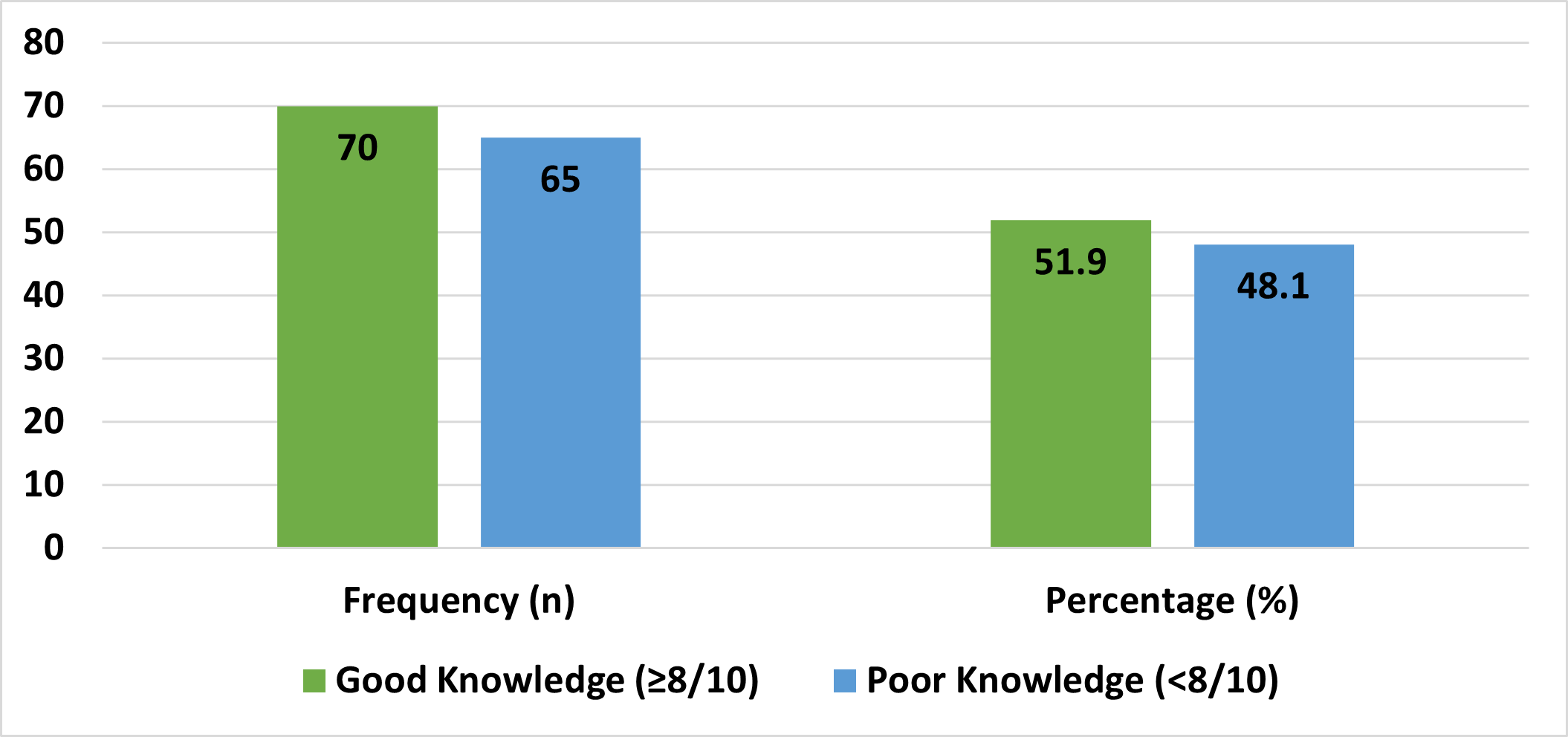
Figure 1: Overall knowledge level of nurses
The practice of nurses regarding the Z-Track technique showed varied frequency across different activities. Most nurses often (40%) or always (20%) use the Z-Track technique for iron injections. Confidence in performing the technique was reported as sometimes (30%) or often (35%). Patient education about the purpose of Z-Track was sometimes done by 35% and often by 25% of nurses. Documentation of Z-Track use in patient records was sometimes reported by 30% and often by 25%. Receiving feedback or supervision was less frequent, with 20% never and 25% rarely receiving it. Overall, while practical use was relatively high, structured guidance and documentation were less consistently performed.
| Statement | Never (%) | Rarely (%) | Sometimes (%) | Often (%) | Always (%) |
| Use Z-track for iron injections | 5 | 10 | 25 | 40 | 20 |
| Feel confident performing Z-track | 8 | 12 | 30 | 35 | 15 |
| Educate patients about the Z-track’s purpose |
10 | 15 | 35 | 25 | 15 |
| Document Z-track use in patient records |
12 | 18 | 30 | 25 | 15 |
| Receive feedback or supervision | 20 | 25 | 30 | 15 | 10 |
Table 3: Self-reported practice and confidence
The table illustrates the relationship between nurses’ higher education levels and their knowledge of the Z-Track technique. Among diploma holders, 37.5% had poor knowledge, 50% average, and 12.5% good knowledge. BSc nurses showed slightly better outcomes, with 27.6% poor, 51.7% average, and 20.7% good knowledge. Post-RN BSN nurses had 20% poor, 58.3% average, and 21.7% good knowledge, while nurses with MSN or higher demonstrated the highest proportion of good knowledge (33.3%). Overall, most nurses across all education levels had average knowledge. The chi-square test (χ² = 5.67, df = 6, p = 0.46) indicates no statistically significant association between education level and knowledge of the Z-Track technique.
| Higher education level | Poor knowledge (n, %) | Average knowledge (n, %) | Good knowledge (n, %) | Total (n) |
| Diploma in Nursing | 15 (37.5%) | 20 (50.0%) | 5 (12.5%) | 40 |
| BSc Nursing | 8 (27.6%) | 15 (51.7%) | 6 (20.7%) | 29 |
| Post-RN BSN | 12 (20.0%) | 35 (58.3%) | 13 (21.7%) | 60 |
| MSN or higher | 1 (16.7%) | 3 (50.0%) | 2 (33.3%) | 6 |
| Total | 36 | 73 | 26 | 135 |
Chi-square test: χ² = 5.67, df = 6, p = 0.46
Table 4: Association between higher education and knowledge level of nurses regarding the Z-track technique
Discussion
The current research analyzed the level of knowledge of the Z-Track technique among nurses of various educational levels and concluded that the general level of knowledge remained average with only a minority proving to have good knowledge. The highest percentage of poor knowledge was among those who had the diploma (37.5%), with the highest percentage of good knowledge found among nurses who had advanced degrees (MSN or higher). Even though there was a tendency towards higher education with improved knowledge, the relationship was not found significant (2 = 5.67, p = 0.46) indicating that formal education would not be a strong determinant of competency in this clinical skill. Such findings are consistent with findings of a cross-sectional study carried out in Turkey where more than half of nurses said that they lacked adequate information about the Z-Track technique and a significant percentage were not in practice or not being trained to use the technique.[24] Nurses in that study claimed that they did not have enough knowledge (55.4%), and (78.5% of the nurses) did not use the Z-Track technique in their practice. This resemblance highlights the idea that knowledge gaps regarding Z-Track are not limited to a single area or learning system.
On the other hand, when our data exhibited an improvement in knowledge as academic achievement increased, the Turkish study revealed that the years of clinical experience were also useful predictors of knowledge level.[25] This implies that clinical exposure can turn out to be as significant or even more significant than formal training in the process of acquiring the specific procedure skills such as the Z-Track technique. Furthermore, the studies that assessed emergency nurses revealed that organized training has a significant positive impact on the knowledge and skill scores of the Z-Track technique.[26] In pretest- posttest study, the mean score of knowledge among nurses improved significantly, post training and the frequency of use also improved significantly at one month follow-up (p < 0.001). This is contrary to our cross-sectional snapshot and emphasizes the effects of such targeted educational interventions in comparison to passive clinical experience.
Equally, a study conducted on intramuscular injections among mental health nurses has revealed that 74.6% of nurses did not know about the Z-Track technique, with a considerable lack of knowledge about techniques regardless of their level of education.[27] A large proportion of nurses possessing average or poor knowledge following our study is a reflection of this general trend of poor knowledge in clinical practice. The variations in studies may also be explained by the differences in the emphasis of nursing programs and healthcare institutions on procedural training. Although the traditional curricula might include the study of the Z-Track method theoretically, practical, regular refresher sessions seem to be the key to the transfer of theoretical knowledge into memorized knowledge and everyday use.[28] Our results justify such learning reinforcement.
In the comparison of the levels of knowledge in the different educational levels, our researcher intuitively indicated that BSc and post-RN BSN nurses were moderately stronger as compared to diploma nurses, though not significantly. This tendency is in line with the educational theory according to which more extensive academic programs are more comprehensive in terms of the content about evidence-based practice, clinical reasoning, and procedural standards. Nonetheless, the significance level of the lack of significance also implies that didactic knowledge is not necessarily linked to procedural competence without the backing of practical experience.[29]
The observed commonality in the lack of knowledge among various groups of nurses is comparable to previous studies on intramuscular injection research in the past, where even the knowledgeable nurses frequently failed to put the Z-Track method into practice. Even with experienced practitioners in a study of nurses who administer fertility medication through IM injections, most of them did not use the Z-Track technique, indicating that even the experienced practitioners revert to more acceptable methods unless they are trained accordingly.[30] It highlights the fact that practice habits and institutional culture can also count as much as formal qualifications.
In our research, there was also no significant relationship between higher education and knowledge, and other studies have shown that demographic or experiential aspects like age and clinical setting can affect the level of knowledge.[31] This implies that there are multifactorial effects of competence, and education level is just a part of the whole and can be overwhelmed by clinical exposure, further learning, and institutional support. When compared to such studies that indicate positive post-training results, our cross-sectional research design emphasizes the weakness of snapshot evaluations; they reveal what is prevalent but are not useful in revealing the dynamic impacts of educational or training interventions. It may be demonstrated by longitudinal or experimental research that can indicate how education level and training interact to influence the knowledge and practice across time.[32]
The other significant dimension of other literature is that, in addition to knowledge, the attitude of nurses towards the adoption of the techniques influences whether they adopt procedures such as Z-Track. A qualitative study of obstacles to the use of the Z-Track method established that personal experience, perception of the utility of the technique, and institutional support affected its use.[33] This can be used to understand why theoretically knowledgeable nurses may not be ready to use the Z-Track method on a regular basis.
Recommendations:
- To enhance practical competency, nursing institutions need to implement structured, practical training on the Z-Track technique in undergraduate and postgraduate education.
- Hospitals are supposed to arrange frequent in-service training and workshops to refresh the nurses on evidence-based intramuscular injection practices, such as the Z-Track technique.
- Clinical mentorship programs must be instituted, where the less experienced nurses are teamed with competent practitioners so as to enhance adherence to techniques and confidence.
- Nursing administrators ought to have monitoring and evaluation measures to ascertain the correct usage of the Z-Track technique in the clinical setting.
- Ongoing professional development programs must have an emphasis on skill retention by conducting periodic assessments and refresher courses.
- It is necessary to carry out further studies to determine other drivers of knowledge and practice of nurses, including workload, clinical exposure, and institutional support.
- The culture of evidence-based practice ought to be enhanced by implementing policies that will ensure that nurses always use safe and standardized methods of injecting patients.
Conclusion
It was found that most nurses possessed an average level of knowledge about the Z-Track technique, but a smaller percentage of the sample had good knowledge of this technique. Greater academic levels depicted an increasing tendency to better knowledge, yet the correlation was not statistically significant, which means that the education level itself can be irrelevant in this skill competency. The results indicate that specific practical training and constant professional growth are necessary to enhance the knowledge levels and help to rectify the application of the Z-Track method. To improve intramuscular injection procedures and assure safety and effectiveness, the practical training, mentorship, and institutional reinforcement should be strengthened to increase procedural competence.
References
- Sah S, Maskey S. Knowledge of intramuscular injection among the nurses of a teaching hospital. J Chitwan Med Coll. 2020;10(1):40-43. doi:10.3126/jcmc.v10i1.28069
Crossref | Google Scholar - Karabey T, Karagözoğlu Ş. Use of non-pharmacological methods for pain control in intramuscular injection applications: a systematic review. IOSR J Nurs Health Sci. 2021;9(2):01-06. doi:10.9790/1959-0902080106
Crossref | Google Scholar - Kareem HJ, Ajil ZW. The Z-track technique as a pain management strategy for neonates during intramuscular injections: insights from a randomized controlled trial. Malays J Nurs. 2025;17(2):113-123. doi:10.31674/mjn.2025.v17i02.011
Crossref | Google Scholar - Saji J, Margaret NC, Evency AR. Effectiveness of Z track technique versus standard technique on pain perception during intramuscular injection among patients underwent orthopaedic surgery. RESEARCH REVIEW Int J Multidiscip. 2024;9(5):235–250. doi:10.31305/rrijm.2024.v09.n05.029
Crossref | Google Scholar - Ayinde O, Hayward RS, Ross JDC. The effect of intramuscular injection technique on injection associated pain; a systematic review and meta-analysis. PLoS One. 2021;16(5):e0250883. doi:10.1371/journal.pone.0250883
PubMed | Crossref | Google Scholar - Babu J, Venkadalakshmi V, Chopra S, Dhandapani M. Z-track technique reduces pain at the injection site, drug leakage, post-injection gluteal inflammation in Pritchard regimen for severe pre-eclamptic patients: findings from a randomized controlled trial. Int J Res Med Sci. 2022;10(10):2190-2196. doi:10.18203/2320-6012.ijrms20222522
Crossref - Sblendorio E. Intramuscular vaccine administrations including the adoption of “Zeta-track technique” & “without aspiration slow injection technique” (ZTT & WASiT): a prospective review. Front Nurs. 2023;10:21-42. doi:10.2478/fon-2023-0003
Crossref | Google Scholar - Eren B. Determination of nurses’ knowledge levels on using the Z-track technique in intramuscular injection application. İstanbul Gelişim Univ Sağlık Bilimleri Derg. 2024:1222-1233. doi:10.38079/igusabder.1508825
Crossref | Google Scholar - Keçeci A. Barriers of nurses about ‘Z-Track method’ which is used in intramuscular injections applications. Akdeniz Hemşirelik Derg. 2023;2(1):1-9. doi:10.59398/ahd.1123694
Crossref | Google Scholar - Magnabosco P, Godoy S, Mendes IAC, Raponi MBG, Toneti BF, Marchi-Alves LM. Production and validation of an educational video on the use of the Z-Track Technique. Rev Bras Enferm. 2023;76(2):e20220439. doi:10.1590/0034-7167-2022-0439
PubMed | Crossref | Google Scholar - Bhattacharjee RC, Tamil Selvi A, Kaur A. A quasi-experimental study to evaluate the effectiveness of cold application prior to intramuscular injection on the level of needle stick pain among adult patients of a selected hospital, Gurgaon, Haryana. Int J Sci Res. 2020;9(9):101-105.
A Quasi-Experimental Study to Evaluate the Effectiveness of Cold Application Prior to Intramuscular… - Shaafie H, Agarwal S, Mohanty S, Jain C. Nicolau syndrome due to intramuscular diclofenac sodium injection. Int J Med Biomed Stud. 2020;4(2):01-03. doi:10.32553/ijmbs.v4i2.912
Crossref | Google Scholar - Baysal E, Demirbağ S. YouTube videos as a source of information on intramuscular injection application with the Z technique: content, quality and reliability analysis. İnönü Üniversitesi Sağlık Hizmetleri Meslek Yüksek Okulu Derg. 2024;12(3):786-800. doi:10.33715/inonusaglik.1446136
Crossref | Google Scholar - Choosing Wisely: needle length and gauge considerations for intramuscular and subcutaneous injections. Aust J Adv Nurs. 2024;41(3):40-49. doi:10.37464/2024.413.1235
Crossref | Google Scholar - Grönholm H. Gluteal intramuskulär injektion – en kvalitativ litteraturstudie om vårdpersonalens attityder och kunskaper i att injicera till de gluteala områden. Yrkeshögskolan Novia; 2020.
Gluteal intramuskulär injektion – En kvalitativ litteraturstudie om vårdpersonalens attityder och k… - Barış Eren N. Evaluation of the effect of Z-track technique training on emergency nurses: A single-group pretest-posttest study. Int Emerg Nurs. 2025;83:101683. doi:10.1016/j.ienj.2025.101683
PubMed | Crossref | Google Scholar - Kareem HJ, Ajil ZW. The Z-track technique as a pain management strategy for neonates during intramuscular injections: insights from a randomized controlled trial. Malays J Nurs. 2025;17(2):113-123. doi:10.31674/mjn.2025.v17i02.011
Crossref | Google Scholar - Martins JAF. Evaluation of the efficacy of an educational video on intramuscular ventrogluteal administration with Z-technique. Federal University of Uberlândia
Faculty of Medicine; 2025.
Evaluation of the efficacy of an educational video on intramuscular ventrogluteal administration wi… - Ordu Y, Polat HT, Küçükceran K. Effects of cold needle and ShotBlocker applied in the emergency department on pain and satisfaction in intramuscular injection pain: A randomized controlled trial. Australas Emerg Care. 2025;28(3):157-162. doi:10.1016/j.auec.2025.02.001
PubMed | Crossref | Google Scholar - Padilla S, Ledesma C, Fernández-González M, et al. Impact of Gluteal Injection Site on Pharmacokinetics and Tolerability of Antiretroviral Therapy with Long-Acting Cabotegravir and Rilpivirine. AIDS Patient Care STDS. 2026;40(1):14-20. doi:10.1177/10872914251394779
PubMed | Crossref | Google Scholar - Yilmaz D, Khorshid L, Dedeoğlu Y. The Effect of the Z-Track Technique on Pain and Drug Leakage in Intramuscular Injections. Clin Nurse Spec. 2016;30(6):E7-12. doi:10.1097/NUR.0000000000000245
PubMed | Crossref | Google Scholar - Soydinç O, Cevheroğlu S. Effects of Acupressure on Pain, Fear, and Satisfaction in Intramuscular Injections. Pain Manag Nurs. 2026. doi:10.1016/j.pmn.2026.01.015
PubMed | Crossref | Google Scholar - Kilroy G, Lorbiecki M, Ndakuya-Fitzgerald F, Hagle M. Supporting the safe use of the dorsogluteal intramuscular injection site: an evidence-based quality improvement project. J Am Psychiatr Nurses Assoc. 2023;30(4):819-827. doi:10.1177/10783903231178556
Crossref | Google Scholar - Al-Shammary SE, Al-Fayyadh S. The effectiveness of non-pharmacological interventions on reducing intramuscular injection-related pain in adult patients: a randomized control trial. INJNS. 2024;37(1):36-49.
The Effectiveness of Non-Pharmacological Interventions on Reducing Intramuscular Injection-related … - Al-Shammiry SE, Al-Fayyadh S. Manual pressure versus Shot Blocker in reducing intramuscular injection-related pain: a comparative randomized controlled trial. Bahrain Med Bull. 2024;46(1):1941-1948.
Manual pressure versus Shot Blocker in reducing intramuscular injection-related pain: a comparative… - Mohamed ET, Mahmoud MA, Hanafy NF. Painless injection: effect of Helfer technique on pain perception and trypanophobia among patients taking analgesics. Egypt J Health Care. 2024;15(1):2268-2282. doi:10.21608/ejhc.2024.399339
Crossref | Google Scholar - Ayinde O, Hayward RS, Ross JDC. The effect of intramuscular injection technique on injection associated pain; a systematic review and meta-analysis. PLoS One. 2021;16(5):e0250883. Published 2021 May 3. doi:10.1371/journal.pone.0250883
PubMed | Crossref | Google Scholar - Heshmatifar N, Salari M, Rad M, Afshari Saleh T, Borzoee F, Rastaghi S. A New Approach on the pain management of intramuscular injection: A Triple-Blind Randomized Clinical Trial. Pain Manag Nurs. 2022;23(3):353-358. doi:10.1016/j.pmn.2021.01.010
PubMed | Crossref | Google Scholar - Magnabosco P, Raponi MB, Toneti A, Toneti B, Godoy S, Alves L. Utilização da técnica em Z na administração de medicamentos por via intramuscular: revisão integrativa. Rev Enferm UFPE On Line. 2022;16:e253588. doi:10.5205/1981-8963.2022.253588
Crossref | Google Scholar - Shah H, Atta U, Arif U. Nurses’ experiences with ethical dilemmas in critical care settings: A mixed-method study at Saidu Teaching Hospital. medtigo J Med. 2025;3(1):e30623135. doi:10.63096/medtigo30623135
Crossref | Google Scholar - William A, Vidal VL, Moham HS. Video versus traditional teaching strategy for enhancing intramuscular injection skills among college of nursing students in Kuwait: a comparative study. J Health Med Nurs. 2021;6(3):66-88. doi:10.47604/JHMN.1320
Crossref | Google Scholar - Gordon C. COVID-19 vaccination: intramuscular injection technique. Br J Nurs. 2021;30(6):350-353. doi:10.12968/bjon.2021.30.6.350
PubMed | Crossref | Google Scholar - Kurt A, Dinç F, Akkoç B. Effect of the Helfer skin tap technique on pain, anxiety, and fear in children undergoing intramuscular injection: An open-label randomized controlled study. Arch Pediatr. 2024;31(2):148-154. doi:10.1016/j.arcped.2023.10.008
PubMed | Crossref | Google Scholar
Acknowledgments
The authors would like to express their sincere gratitude to Dr. Shah Hussain, Principal/Associate Professor, Janbar, College of Nursing, Swat, for his invaluable supervision, guidance, and support throughout the course of this study.
Funding
This research did not receive any specific grant from funding agencies in the public, commercial, or not-for-profit sectors.
Author Information
Corresponding Author:
Fida Ur Rahman
Department of Nursing
Hassan College of Nursing, Swat, Pakistan
Email: fidakhan.fk68@gmail.com
Co-Authors:
Naeemullah, Tufail Ahmad, Izhar Khan, Shahab Ahmad, Hamza Ilyas, Maaz Ali Khan, Mehran Munir, Bibi Rukhsaar
Department of Nursing
Hassan College of Nursing, Swat, Pakistan
Shah Hussain
Department of Nursing
Janbar College of Nursing, Swat, Pakistan
Authors Contributions
Fida Ur Rahman, Naeemullah, and Tufail Ahmad contributed to data collection and data analysis. Izhar Khan, Hamza Ilyas, and Maaz Ali Khan were responsible for data collection and literature review. Mehran Munir, Shahab Ahmad, and Bibi Rukhsaar contributed to data collection and data organization. Shah Hussain was responsible for interpretations.
Ethical Approval
Ethical approval was obtained from the Saidu Teaching Hospital, Swat (Ref No: SGTH/IRB/2026/19).
Conflict of Interest Statement
The authors declare that there is no conflict of interest.
Guarantor
Fida Ur Rahman is the guarantor of this study and takes full responsibility for the integrity of the data and the accuracy of the data analysis.