








 Author Affiliations
Abstract
Background: Nursing interns are essential contributors to patient care in hospitals, yet their participation and effectiveness are influenced by clinical skills, communication, and supervision. Patients’ perceptions of nursing interns’ care play a crucial role in evaluating internship programs and improving the quality of care. Limited research exists on patient satisfaction with nursing interns in government tertiary care hospitals in Swat.
Aim: To assess patients’ satisfaction regarding nursing interns’ participation in nursing care at government tertiary care hospitals in Swat.
Methodology: A descriptive cross-sectional study was conducted among 377 adult patients selected through convenience sampling. Data were collected using a structured, self-administered questionnaire consisting of demographic variables and 15 Likert-scale items assessing satisfaction. Satisfaction levels were categorized as low (<50%), moderate (51–74%), and high (>75%). Data analysis was performed using SPSS version 27, applying descriptive statistics and chi-square tests. Ethical approval and informed consent were ensured.
Results: Most patients expressed high satisfaction in areas of professionalism, communication, respect, and overall experience, with scores ranging from 75% to 84%. Moderate satisfaction was reported for aspects such as time spent with patients, involvement in care, and supervision by senior nurses. The findings suggest that nursing interns contribute positively to patient care, although institutional constraints and limited supervision moderately affected some dimensions of satisfaction.
Conclusion: Patients were generally satisfied with nursing interns’ participation in care, highlighting the importance of structured mentorship, effective communication, and adequate clinical support to enhance both internship training and patient-centered care.
Keywords
Patient satisfaction, Nursing interns, Clinical care, Tertiary care hospitals, Swat, Internship program.
Introduction
Patient satisfaction is a critical indicator of healthcare quality and is directly influenced by the competence, communication, and professionalism of nursing staff, including nursing interns.[1] Nursing interns are newly graduated nurses undergoing supervised clinical training, and their participation in patient care provides both learning opportunities and essential services to patients. Patients’ perceptions of nursing care delivered by interns offer valuable feedback regarding the effectiveness of clinical training programs and the quality of care provided. Barriers affecting nursing interns’ performance, such as limited experience, inadequate supervision, high patient load, and organizational constraints, can influence patient satisfaction.[2] Understanding patients’ satisfaction regarding nursing interns’ contribution is essential to enhance clinical education, patient-centered care, and overall healthcare delivery at tertiary care hospitals.[3]
The prevalence of dissatisfaction with nursing care is reported in various studies globally. Research indicates that up to 40-50% of patients in public sector hospitals experience dissatisfaction related to responsiveness, delays, or perceived lack of competence from nursing staff.[4] Patients often report concerns regarding communication, attentiveness, and timeliness of care. Nursing interns, due to limited experience, are associated with variability in care quality, which may influence patients’ satisfaction levels. The issue is particularly notable in hospitals with high patient loads and limited staff.[5]
Patient satisfaction is directly influenced by the competence of nursing interns. Competence refers to the ability to perform clinical tasks safely and effectively. Skills in medication administration, patient monitoring, documentation, and procedural assistance determine the quality of care. Patients evaluate interns based on perceived accuracy, efficiency, and safety in performing these duties.[6] Competent performance enhances confidence in care, while errors or delays reduce satisfaction.[7]
The communication skills of nursing interns significantly impact patient perception. Effective communication includes active listening, clear explanations, emotional support, and respectful interactions. Patients value empathy and understanding in care delivery. Poor communication creates anxiety and frustration. Communication deficits often occur due to inexperience or a heavy workload.[8]
Supervision and mentorship are essential in clinical training for nursing interns. Adequate guidance ensures that interns perform tasks correctly and safely. Mentorship involves instruction, feedback, and monitoring by senior nurses or instructors. Absence of supervision increases the likelihood of errors and affects patient experiences. Patients may perceive a lack of support as incompetence.[9] Workload in tertiary care hospitals affects patient satisfaction. High patient-to-nurse ratios limit the time interns can spend with each patient. Overcrowding and resource constraints reduce opportunities for detailed care and individualized attention. Patients may report dissatisfaction when care is rushed or incomplete.[10]
Clinical training environments shape the skills and confidence of nursing interns. Hospitals with structured orientation, simulation-based training, and continuous feedback produce more competent interns. Patients interact with interns differently depending on the quality of their preparation. Poorly structured training contributes to inconsistent care experiences.[11]
Psychological factors of interns influence patient satisfaction. Stress, anxiety, and fear of making errors affect performance. Interns under pressure may avoid performing procedures independently or delay tasks. Patients perceive hesitation or lack of confidence negatively. Emotional regulation skills improve both learning outcomes and patient experiences.[12] Interpersonal relationships in healthcare teams impact satisfaction. Collaboration between interns, nurses, doctors, and other staff enhances coordinated care. Supportive relationships encourage interns to seek guidance, clarify procedures, and involve patients in care. Hierarchical or unsupportive dynamics reduce patient engagement and satisfaction.[13]
Organizational policies affect nursing intern performance and patient perception. Clear role definitions, standardized procedures, and accessible resources enable effective care. Lack of orientation, inconsistent policies, and limited equipment hinder skill application. Patients may experience delays, mistakes, or suboptimal care due to systemic shortcomings.[14] Patient safety is associated with nursing interns’ competence. Errors in medication administration, infection control, or monitoring procedures compromise safety. Patients evaluate care quality based on safety outcomes. Hospitals emphasizing supervision, error prevention, and adherence to protocols enhance satisfaction. Interns’ active participation contributes to safer care delivery.[15]
Local context in Swat tertiary care hospitals reveals unique challenges. High patient volume, staff shortages, and limited equipment create pressure on interns. Cultural norms and workplace dynamics influence interactions with patients. Evidence regarding patients’ satisfaction with nursing interns in this region is scarce. Assessing perceptions provides insights for improving training, supervision, and care quality, bridging the gap between clinical education and patient expectations.[16]
Methodology
The study design was a quantitative descriptive cross-sectional study that was used to evaluate the level of satisfaction among patients with the involvement of nursing interns in nursing care at government tertiary care hospitals in Swat. The research was carried out in large community hospitals where nursing interns actively participated in clinical practice in the medical, surgical, emergency, and pediatric units. The population of interest was adult patients who had their experience with nursing interns during their stay in the hospital. Patients who were conscious and stable, oriented, and had stayed in the hospital longer than 24 hours were eligible to participate and were at the age of 18 years and above. Patients in critical conditions and those with cognitive disabilities, communication challenges, or a lack of any communication with nursing interns were also left out. The sample size was determined with the aid of the RAOSOFT sample size calculator by using 95% confidence, 5% margin of error, and 20,000 as the estimate of the population. The number of 377 participants was identified to be adequate to guarantee representativeness and reliability. Eligible patients who were available during the data collection period were recruited through convenience sampling.
Data collection procedure: The collection of data began following the receipt of permission from the College Graduate Committee (GSC) of the National College of Nursing, Swat, and the consent of the authorities of the Saidu Group of Teaching Hospital. Informed consent of every participant was taken verbally prior to the questionnaire administration. A structured, self-administered questionnaire was used to collect the data, and it had a great content validity (Cronbach’s alpha = 0.75) and high reliability (content validity index [CVI] = 1). The tool consisted of two parts; the first part included demographic factors (age, education level, and length of stay at the hospital), and the second part included 15 questions regarding patient satisfaction with nursing interns’ care. The scores of the responses were turned into percentages, and it was classified as low (less than 50%), moderate (51 to 74%), and high (more than 75 %) satisfaction. The process was done in confidentiality and anonymity.
Data analysis procedure: Statistical package for the social sciences (SPSS) version 27 was used to enter and analyze the data. Frequencies, percentages, means, and standard deviations, among other descriptive statistics, were calculated to outline demographic traits and levels of satisfaction. The chi-square test was used for inferential analysis of the relationships between patient satisfaction and the various demographic variables of interest. Tables, charts, and graphs were used to introduce the results and make them easy to interpret.
Results
Demographic characteristics of nurses: Table 4.1 presents the demographic characteristics of 377 patients who received care from nursing interns. The majority of patients were aged 31-45 years (38.5%), followed by >18 years (29.2%), indicating a predominantly young to middle-aged population. Male patients slightly outnumbered females (52.5% vs. 47.5%). Patients were distributed across different wards, including medical (29.2%), surgical (27.1%), cardiology (21.2%), and Others (22.5%). Most patients stayed in the hospital for 4-7 days (43.8%), with fewer staying longer than 7 days (19.1%). Education levels varied, with the largest group having secondary education (29.2%), while 23.9% had no formal education. These demographic data provide context for interpreting patient satisfaction. Understanding patient characteristics helps identify potential influences on their perceptions of nursing interns’ participation in care.
| Variable | Category | Frequency (n) | Percentage (%) |
| Age (years) | 18-30 | 110 | 29.2 |
| 31-45 | 145 | 38.5 | |
| 46-60 | 92 | 24.4 | |
| >60 | 30 | 7.9 | |
| Gender | Male | 198 | 52.5 |
| Female | 179 | 47.5 | |
| Ward/Unit | Medical | 110 | 29.2 |
| Surgical | 102 | 27.1 | |
| Cardiology | 80 | 21.2 | |
| Others | 85 | 22.5 | |
| Length of stay (days) | 1-3 | 140 | 37.1 |
| 4-7 | 165 | 43.8 | |
| >7 | 72 | 19.1 | |
| Education level | No formal education | 90 | 23.9 |
| Primary | 100 | 26.5 | |
| Secondary | 110 | 29.2 | |
| Higher | 77 | 20.4 |
Table 1: Demographic characteristics of patients (n = 377)
Table 2 shows how patients understand information sharing and communication by nursing interns. The majority of the patients indicated that they had known about the presence of the interns beforehand and were very satisfied (80.1), which displays successful preliminary communication. Self-introduction by the interns was well received, and 78.0% of the patients expressed high satisfaction with it, meaning that the interns were professional and approachable. Clear involvement in care had moderate satisfaction of 74.8, demonstrating that there were some gaps in the understanding of what the interns were about. Permission before care also had a moderate level of satisfaction of 70.8%, and there could be an opportunity to improve patient consent practices. The clarification about care was mostly satisfactory, with a satisfaction rate standing at 76.1. Minimal negative experiences were experienced, as only a few patients were not satisfied with the services provided, with a range of 2.1 to 4.0. Neutral answers were between 11.9 and 15.9%, which showed that the patients were somewhat uncertain. Altogether, communication among nursing interns was very successful, and slight improvements should be made in the aspects of participation and consent processes.
| Statement | Very dissatisfied (1) | Dissatisfied (2) | Neutral (3) | Satisfied (4) | Very satisfied (5) | Satisfaction level |
| Tell me in advance about nursing interns | 10 (2.7%) | 20 (5.3%) | 45 (11.9%) | 180 (47.7%) | 122 (32.4%) | High (80.1%) |
| Interns introduced themselves | 8 (2.1%) | 25 (6.6%) | 50 (13.3%) | 170 (45.1%) | 124 (32.9%) | High (78.0%) |
| Interns involved me clearly | 12 (3.2%) | 28 (7.4%) | 55 (14.6%) | 165 (43.8%) | 117 (31.0%) | Moderate (74.8%) |
| Permission sought before care | 15 (4.0%) | 35 (9.3%) | 60 (15.9%) | 155 (41.1%) | 112 (29.7%) | Moderate (70.8%) |
| Explanation understandable | 10 (2.7%) | 30 (7.9%) | 50 (13.3%) | 160 (42.4%) | 127 (33.7%) | High (76.1%) |
Table 2: Information and communication (5 items)
Table 3 presents the answers of patients on respect, behavior, and professional conduct of the nursing interns. Most of the patients reported high satisfaction levels of 84.1, and most of them said interns were polite and respected them, which is a high level of interpersonal skills. There was also good privacy throughout the care, with 81.2% of patients giving high satisfaction. The involvement of the interns with the patients was quite easy, as 78.2% of the patients indicated that they were highly satisfied. Instructions and the attentiveness in performance achieved moderately good responses of 75.6, indicating that a few aspects need to improve in accuracy. The level of rating of senior nurses as to whether they were properly supervising their juniors was moderately rated by 68.2% of patients, which was a point of difference in supervision. There were a few patients who were not satisfied between 1.3 and 5.3, which indicated a few negative experiences. The percentage of neutral responses was between 10.6 and 15.9, which indicated the presence of ambivalent patients. All in all, the findings suggest that nursing interns engaged in professional behavior and showed respect, and the primary area to be reinforced is supervision.
| Statement | Very dissatisfied (1) | Dissatisfied (2) | Neutral (3) | Satisfied (4) | Very satisfied (5) | Satisfaction level |
| Treated politely and respectfully | 5 (1.3%) | 15 (4.0%) | 40 (10.6%) | 180 (47.7%) | 137 (36.4%) | High (84.1%) |
| Privacy respected | 8 (2.1%) | 18 (4.8%) | 45 (11.9%) | 170 (45.1%) | 136 (36.1%) | High (81.2%) |
| I feel comfortable with interns | 10 (2.7%) | 22 (5.8%) | 50 (13.3%) | 160 (42.4%) | 135 (35.8%) | High (78.2%) |
| Followed instructions carefully | 12 (3.2%) | 28 (7.4%) | 52 (13.8%) | 162 (43.0%) | 123 (32.6%) | Moderate (75.6%) |
| Proper supervision by a senior nurse | 20 (5.3%) | 40 (10.6%) | 60 (15.9%) | 150 (39.8%) | 107 (28.4%) | Moderate (68.2%) |
Table 3: Respect and professional behavior (5 items)
Table 4 shows the perception of the patients regarding the quality of care and the general experience of the participation of the nursing interns. The majority of patients said that the interns were also well informed, with 77.5 % recording a high satisfaction rate, which reflected that they had confidence in the clinical competence of the interns. The patients also believed that they were treated safely and in the right way, and 75.3% reported a high level of satisfaction. In terms of the time that was spent by interns explaining care or answering questions, 72.6% said that the satisfaction was moderate and high, which could be improved. The overall experience was highly rated among the 75% of the patients, demonstrating positive impressions of the interns’ involvement. Negative perception was low, with a low percentage of 2.1 to 3.2. There were neutral responses in 1316% of cases, which suggests that there were ambivalent patients. These findings indicate that nursing interns performed reasonably well in terms of expectations of patients regarding quality, safety, and engagement in care.
| Statement | Very dissatisfied (1) | Dissatisfied (2) | Neutral (3) | Satisfied (4) | Very satisfied (5) | Satisfaction level |
| Knowledgeable interns | 10 (2.7%) | 25 (6.6%) | 50 (13.3%) | 165 (43.8%) | 127 (33.7%) | High (77.5%) |
| Helped safely and correctly | 8 (2.1%) | 30 (7.9%) | 55 (14.6%) | 160 (42.4%) | 124 (32.9%) | High (75.3%) |
| Spent enough time | 12 (3.2%) | 35 (9.3%) | 60 (15.9%) | 155 (41.1%) | 115 (30.5%) | Moderate (72.6%) |
| Overall experience | 10 (2.7%) | 28 (7.4%) | 55 (14.6%) | 160 (42.4%) | 124 (32.9%) | High (75.0%) |
Table 4: Quality of care and overall experience (5 items)
Figure 1 demonstrates the level of satisfaction of patients with the involvement of nursing interns in the care process. Over 50% (54.9%) stated high satisfaction (>75%), and 39.8% said moderate (51 to 74%) satisfaction. Very few patients (5.3%) were lowly satisfied (less than 50%). This indicates that patients viewed the participation of nursing interns positively in general. The results grant an indication of successful incorporation of interns in clinical care, but moderate levels of satisfaction show that a bit more can be done. Patient trust, engagement, and quality of care are considered important because of high satisfaction. These findings can support the efficiency of clinical training as it improves the experiences of patients.
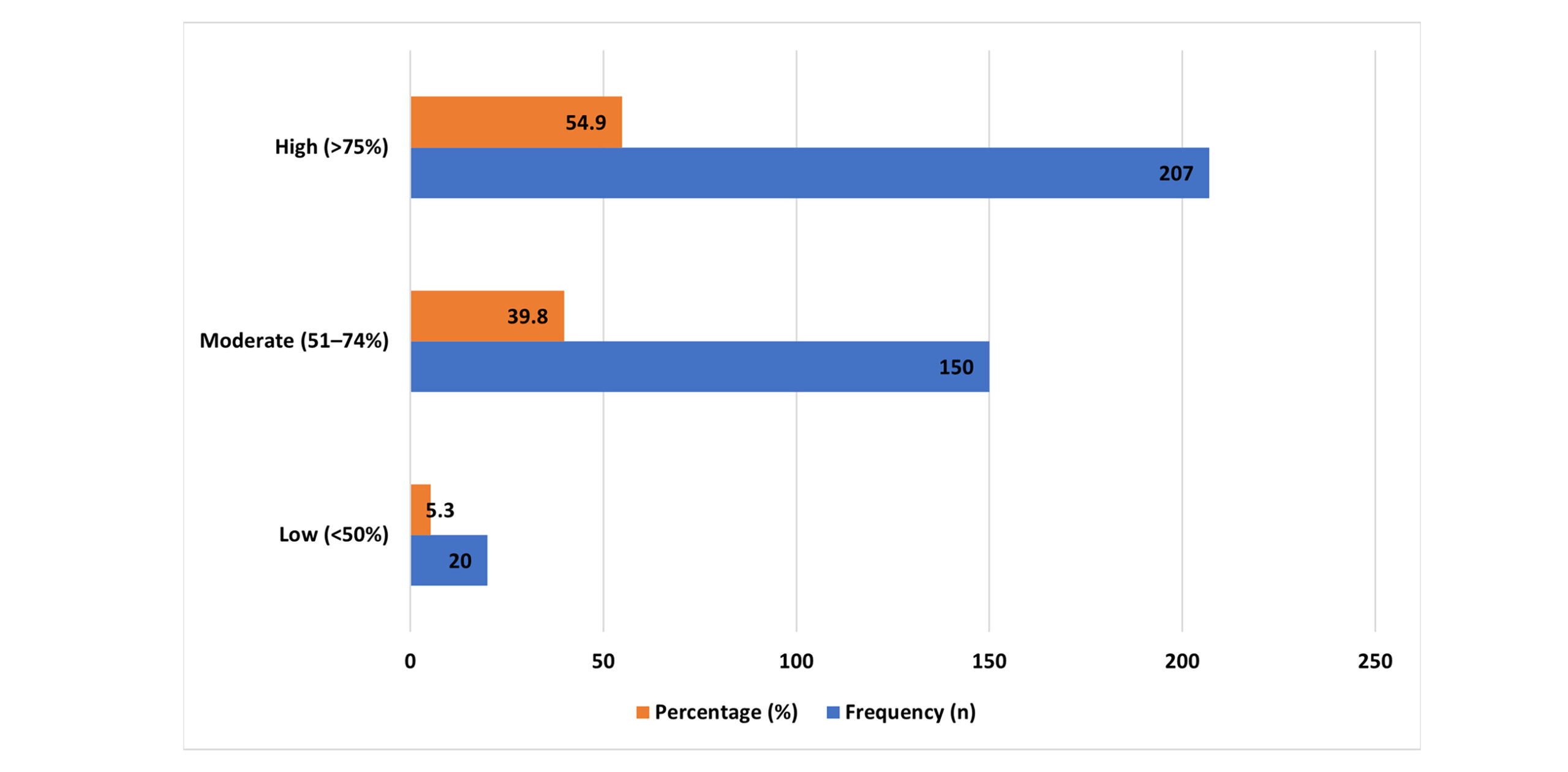
Figure 1: Overall satisfaction level of patients
Table 4.5 indicates that patient satisfaction has a chi-square relationship with demographic variables. The analysis was on age, gender, ward/unit, length of stay, and the level of education. The variables did not show any statistically significant relationship with satisfaction (p > 0.05), which demonstrated that the perceptions of the patients were mostly consistent in various demographic categories. This indicates that the degree of satisfaction with the involvement of nursing interns did not depend on age, gender, or type of ward. These results can be interpreted as the beneficial outcomes of the care provided by interns being similar across patients. Harmonized satisfaction strengthens the worth of systematic clinical education in hospital units.
| Variable | Satisfaction level | χ² | p-value |
| Age | Low / Moderate / High | 4.52 | 0.104 |
| Gender | Low / Moderate / High | 2.31 | 0.314 |
| Ward/Unit | Low / Moderate / High | 6.17 | 0.187 |
| Length of stay | Low / Moderate / High | 5.03 | 0.081 |
| Education level | Low / Moderate / High | 7.25 | 0.064 |
Table 5: Association between patient satisfaction and demographic variables
Discussion
The current research evaluated patient satisfaction with the involvement of nursing interns in nursing care within the government tertiary care hospitals in Swat. In general, the results showed that patient satisfaction was high on the majority of dimensions, especially professional behavior, respect, and communication. These findings indicate that in most instances, nursing interns could offer competent care that was satisfactory to patients, even though the demands of a busy hospital environment could be difficult to cope with.[16]
The patients were extremely satisfied with the level of knowledge and the safety of how the nursing interns performed their duties, as 77.5 and 75.3% of the patients, respectively, rated these factors positively. This is similar to the studies that have been done in other countries and regions of low and middle income, which reported that structured orientation and guidance greatly enhance patient perception of services provided by nursing interns.[17] Nevertheless, there were rather few percentages of patient dissatisfaction or neutral answers, which means that there are still instances when knowledge implementation under heavy workload situations is lapsed.[18]
The researchers discovered moderate satisfaction with the time spent by nursing interns in patient care and overall experience, with a 72.6% and 75.0% score, respectively. In comparison, the studies of Pakistani and Indian public hospitals found the same results, as patients were satisfied with the services provided, but mentioned that interns did not have a lot of time to interact with the patients because of high patient-staff ratios.[19] This indicates institutional limitations in the tertiary care hospitals, which could constrain the extent of engagement of patients.
The level of communication between the nurses interns and the patients was found to have a high level of advance notice and self-introduction, with a level of satisfaction of 80.1 and 78.0, respectively. These findings are aligned with the literature on the significance of preliminary interactions and proper communication to stimulate patient trust and confidence towards healthcare providers.[20] The satisfaction levels were moderate in terms of participation in care and permission, which suggests that participatory practices should be enhanced by improving interaction with patients, which is also supported by other studies in the field of clinical training courses, where patient autonomy was sometimes neglected.[21]
The level of satisfaction with respectful treatment and privacy was very high, 84.1 and 81.2, respectively, which implied that nursing interns could comply well with professional decorum. This is consistent with research carried out in the Middle East and Asian hospitals, where they have indicated that interpersonal respect and confidentiality were highly regarded by patients and ranked among the highest areas of satisfaction as compared to technical skills.[22] The results show that the professional behavior of interns has a positive influence on patient perceptions even when working in a high-stress setting.
The patient comfort in the participation of nursing interns was rated 78.2, indicating that patients felt relatively safe and assisted. Much the same was noticed in the research conducted in India and Kenya, where the ability to make patients comfortable was highly linked with intern training on communication and bedside manners.[23] This indicates that despite the resource constraints, the focus on training soft skills can significantly improve patient satisfaction.
Intermediate satisfaction (75.6) was reported on the compliance with instructions and attentive performance of tasks by interns. This conclusion is consistent with the research findings that indicated procedural performance is frequently affected by the level of supervision and stress of workload, and the less experienced interns have to be constantly under guidance to deliver high-quality care. Supervision was the lowest quality measure with a rating of 68.2, suggesting a lack of supervision and mentorship, which is in line with what has been reported in South Asian public hospitals of the region, where there is minimal supervisory support.[24]
The results indicate that despite the load of competent nursing interns in the institution, institutional factors like lack of effective mentorship programs, patient overload, and insufficient time may influence the quality of care delivery. Research in low- and middle-income states has presented such issues as well, suggesting that the high patient-to-staff ratio and the absence of well-organized mentorship initiatives are still significant obstacles to successful clinical education and patient satisfaction.[25]
The overall experience of patients, which incorporates communication, professionalism, and quality care, scored high at 75.0%. This is a better result than research conducted in tertiary hospitals in Pakistan and India, whereby organized orientation and integration of interns into clinical teams were linked to enhanced perceptions by patients.[26] However, the average scores in supervision and time allocation underline the fact that the fields of clinical workflow and guidance need improvement.
The paper has also noted the interrelationship between communication, respect, and perceived competence in determining patient satisfaction. It has been found that patient-centered care, which places emphasis on respect, clarity, and active participation, has a lot of impact on the satisfaction scores that sometimes even surpasses technical proficiency alone.[27] This supports the significance of integrating soft abilities training along with clinical aptitude in nursing education.
In comparison with the past research, it is clear that a high level of satisfaction is possible even in an environment with limited resources, but systemic and institutional aspects are essential. For example, research in sub-Saharan Africa and South Asia has revealed that highly skilled interns can still score lower on satisfaction measures in the case of a poor level of supervision, mentoring, and provision of resources.[28] This implies that the performance of the individual will only partially factor into the combination of maximizing patient satisfaction.
Finally, the paper has shown that patients in Swat government tertiary care hospitals were highly satisfied with the involvement of the nursing interns, particularly on issues of professionalism, respect, and communication. Areas of moderate satisfaction, like supervision, time allocation, and participatory involvement, give an opportunity to improve. The outcomes are in line with the international research on patient satisfaction with interns, where mentorship and organized clinical exposure, as well as a combination of soft skills and technical capabilities, are found to be relevant in delivering high-quality nursing care.
Recommendations for the study:
- Another program that needs to be established in hospitals to ensure that nursing interns receive constant supervision and instructions is the organized mentorship program.
- Nursing interns are to be trained to enhance their time management, communication, and involvement with the patients.
- The policies must be formulated to maintain a sufficient number of staff and patients to nurse ratios to provide enough interaction between interns and patients.
- The clinical performance of the interns must be evaluated regularly, and feedback provided to improve the integration of the skills and patient-centered care.
- More studies must be done to examine patient satisfaction with interns in various departments of the hospital and in the context of personalized care environments.
Conclusion
The research concluded that Swat government tertiary care hospital patients were reasonably pleased with the involvement of nursing interns in their treatment. Professional behavior, communication, respect, and perceived competence areas were noted to have a high level of satisfaction. There was moderate satisfaction when it came to the time spent with patients, participation in care, and supervision by senior staff. The results of this research suggest that although nursing interns have the potential to provide safe and competent care, institutional barriers, workload pressures, and lack of proper oversight may influence the quality and consistency of patient-centered care. On the whole, the study concentrates on the necessity of structured mentorship, better clinical supervision, and sufficient resources to improve the performance of the nursing interns and patient satisfaction.
References
- Domantay A, Algamdi M, Alatawi H, et al. The experiences of patients receiving care from nurse interns: a phenomenological study. African Journal of Health, Nursing and Midwifery. 2021;4(1):40-53. The Experiences of Patients Receiving Care from Nurse Interns: A Phenomenological Study
- Ciftci B, Sirin G, Aksoy M, Avsar G. The Effect of Internships on Clinical Decision Making and Professional Values of Nursing Students. International Journal of Caring Sciences. 2020;13(2):1230-1239.
The Effect of Internships on Clinical Decision Making and Professional Values of Nursing Students - Duprez V, Vermote B, Van Hecke A, Verhaeghe R, Vansteenkiste M, Malfait S. Are internship experiences during a pandemic related to students’ commitment to nursing education? A cross-sectional study. Nurse Educ Today. 2021;107:105124. doi:10.1016/j.nedt.2021.105124
PubMed | Crossref | Google Scholar - Roush K, Opsahl A, Ferren M. Developing an internship program to support nursing student transition to clinical setting. J Prof Nurs. 2021;37(4):696-701. doi:10.1016/j.profnurs.2021.04.001
PubMed | Crossref | Google Scholar - Wei LZ, Zhou SS, Hu S, Zhou Z, Chen J. Influences of nursing students’ career planning, internship experience, and other factors on professional identity. Nurse Educ Today. 2021;99:104781. doi:10.1016/j.nedt.2021.104781
PubMed | Crossref | Google Scholar - Özkaya Sağlam B, Sözeri Eser İ, Ayvaz S, Çağı N, Mert H, Küçükgüçlü Ö. Intensive care experiences of intern nurse students: A qualitative study. Nurse Educ Today. 2021;107:105098. doi:10.1016/j.nedt.2021.105098
PubMed | Crossref | Google Scholar - Grande RAN, Butcon VER, Indonto MCL, Villacorte LM, Berdida DJE. Quality of life of nursing internship students in Saudi Arabia during the COVID-19 pandemic: A cross-sectional study. Int J Afr Nurs Sci. 2021;14:100301. doi:10.1016/j.ijans.2021.100301
PubMed | Crossref | Google Scholar - Aghaei N, Babamohamadi H, Asgari MR, Dehghan-Nayeri N. Barriers to and facilitators of nursing students’ adjustment to internship: A qualitative content analysis. Nurse Educ Today. 2021;99:104825. doi:10.1016/j.nedt.2021.104825
PubMed | Crossref | Google Scholar - Grande RAN, Berdida DJE, Maniago JD, Ablao JN, Llaguno MBB, Manood EG. Predictors of quality of life of nursing internship students from five Saudi universities. J Taibah Univ Med Sci. 2021;16(5):747-754. doi:10.1016/j.jtumed.2021.05.004
PubMed | Crossref | Google Scholar - Sturdivant T, Reynolds M, Herrin K, Mestas L. Improving patient satisfaction through a nurse leader–physician bedside rounding protocol: a pilot project. Nurs Econ. 2020;38(3):158-163.
Improving Patient Satisfaction through a Nurse Leader-Physician Bedside Rounding Protocol: A Pilot … - Khoshbakht-Pishkhani M, Javadi-Pashaki N, Esfandi NA, Koodakani MB, Maroufizadeh S, Madani AH. The effect of educational application in nursing internship clinical training on cognitive and functional skills and students’ satisfaction. BMC Nurs. 2024;23(1):381. doi:10.1186/s12912-024-01954-5
PubMed | Crossref | Google Scholar - Mashayekh R, Ebadi A, Nehrir B, Moayed MS. The effect of the preceptorship training program on the participation of clinical nurses in training nursing internship students: a quasi-experimental study. BMC Nurs. 2024;23(1):395. doi:10.1186/s12912-024-02034-4
PubMed | Crossref | Google Scholar - Sarkoohi Z, Nematollahi M, Dehghan M, et al. Can internship programs affect nursing students’ critical thinking disposition, caring behaviors, and professional commitment?. BMC Nurs. 2024;23(1):418. doi:10.1186/s12912-024-02089-3
PubMed | Crossref | Google Scholar - Almadani N, Hables RM, Alharbi J, Alamri M, Alshammari M. Nurse Interns’ Perception of Clinical Preparation and Readiness for Clinical Internship Experiences. J Nurs Manag. 2024;2024:6682600. doi:10.1155/2024/6682600
PubMed | Crossref | Google Scholar - Mir-Tabar A, Pardo-Herrera L, Goñi-Blanco A, Martínez-Rodríguez MT, Goñi-Viguria R. Patient satisfaction with nursing care in an Intensive Care Unit measured through the Nursing Intensive-Care Satisfaction Scale (NICSS). Enferm Intensiva (Engl Ed). 2024;35(3):201-212. doi:10.1016/j.enfie.2023.10.004
PubMed | Crossref | Google Scholar - Zhao S, Liang Q, Tao H, et al. Transition shock among nursing interns and its relationship with patient safety attitudes, professional identity and climate of caring: a cross-sectional study. BMC Nurs. 2024;23(1):64. doi:10.1186/s12912-024-01722-5
PubMed | Crossref | Google Scholar - Shahzeydi A, Farzi S, Tarrahi MJ, Sabouhi F, Babaei S, Yazdannik A. The effect of the clinical supervision model on nursing internship students’ nursing process-based performance: an experimental study. BMC Nurs. 2024;23(1):166. doi:10.1186/s12912-024-01840-0
PubMed | Crossref | Google Scholar - Atta MHR, Hammad HA, Elzohairy NW. The role of Empathy in the relationship between emotional support and caring behavior towards patients among intern nursing students. BMC Nurs. 2024;23(1):443. doi:10.1186/s12912-024-02074-w
PubMed | Crossref | Google Scholar - Alilyyani B, Althobaiti E, Al-Talhi M, et al. Nursing experience and leadership skills among staff nurses and intern nursing students in Saudi Arabia: a mixed methods study. BMC Nurs. 2024;23(1):87. doi:10.1186/s12912-024-01750-1
PubMed | Crossref | Google Scholar - Wang J, Xu X, Sun J, et al. A study of latent profile analysis of empathic competence and factors influencing it in nursing interns: a multicenter cross-sectional study. Front Public Health. 2024;12:1434089. doi:10.3389/fpubh.2024.1434089
PubMed | Crossref | Google Scholar - As’habi A, Nazari M, Faghfoori Z, Ebrahimi Tavani M, Gharibi F. Improving hospital internship course for nutrition students using a comprehensive checklist for nutritional assessment and patient treatment. Shiraz E-Med J. 2025;26(2):e145124. doi:10.5812/semj-145124
Crossref | Google Scholar - Chen JY, Chen HF, Wang XH, Zong QZ, Yao ZZ. Moral sensitivity and caring behavior in nursing interns: the mediating role of empathy. Front Public Health. 2024;12:1360940. doi:10.3389/fpubh.2024.1360940
PubMed | Crossref | Google Scholar - Liu H, Huang H, Li M, et al. The Effect of “Online-Simulation-Bedside” Three-Step Teaching Method in Team Cardiopulmonary Resuscitation Skills Training of Emergency Department and Critical Care Nursing Interns-An Analysis Based on Kirkpatrick Model. J Nurs Manag. 2025;2025:8624274. doi:10.1155/jonm/8624274
PubMed | Crossref | Google Scholar - Shafian S, Naeem-Zadeh M, Dehghani MR, Amiri B, Azemian A. Assessing the professionalism of nursing internship students from the perspective of educational instructors in Namazi Hospital of Shiraz University of Medical Sciences in 2021. Med Clin Pract. 2024;7:100409. doi:10.1016/j.mcpsp.2023.100409
Crossref | Google Scholar - Shah H, Atta U, Arif U. Nurses’ experiences with ethical dilemmas in critical care settings: A mixed-method study at Saidu Teaching Hospital. medtigo J Med. 2025;3(1):e30623135. doi:10.63096/medtigo30623135
Crossref | Google Scholar - Mamić M, Vidić H, Jovanović T, et al. Croatian Translation and Validation of the Patient Satisfaction with Nursing Care Quality Questionnaire (PSNCQQ). Healthcare (Basel). 2024;12(9):888. doi:10.3390/healthcare12090888
PubMed | Crossref | Google Scholar - HPS2-THRIVE Collaborative Group, Landray MJ, Haynes R, et al. Effects of extended-release niacin with laropiprant in high-risk patients. N Engl J Med. 2014;371(3):203-212. doi:10.1056/NEJMoa1300955
PubMed | Crossref | Google Scholar - Hu X, Yuan J, Jiao M, Chen J, Hu Y. Association between spiritual care competency and spiritual health among nursing interns: a cross-sectional study. BMC Nurs. 2025;24(1):168. doi:10.1186/s12912-025-02809-3
PubMed | Crossref | Google Scholar
Acknowledgments
The authors would like to express their sincere gratitude to Dr. Shah Hussain, Principal/Associate Professor, Janbar, College of Nursing, Swat, for his invaluable supervision, guidance, and support throughout the course of this study.
Funding
This research did not receive any specific grant from funding agencies in the public, commercial, or not-for-profit sectors.
Author Information
Corresponding Author:
Nasar Mian
Department of Nursing
National College of Nursing, Swat, Pakistan
Email: nasarmian819@gmail.com
Co-Authors:
Kashif Hayat, Shakir Ullah, Abdur Razzaq, Hamid Ullah, Muhammad Waqar, Muhammad Anwar, Nisar Ali, Muhammad Zuhaib
Department of Nursing
National College of Nursing, Swat, Pakistan
Shah Hussain
Department of Nursing
Janbar College of Nursing, Swat, Pakistan
Authors Contributions
Nasar Mian, Kashif Hayat, and Shakir Ullah contributed to data collection and data analysis. Abdur Razzaq and Hamid Ullah were involved in data collection and literature review. Muhammad Waqar, Muhammad Anwar, Nisar Ali, and Muhammad Zuhaib contributed to data collection and data organization, while Shah Hussain was responsible for analysis and interpretation.
Ethical Approval
Ethical Approval was obtained from the Saidu Teaching Hospital, Swat, Ref No SGTH/IRB/2026/24.
Conflict of Interest Statement
The authors declare there is no conflict of interest.
Guarantor
Nasar Mian is the guarantor of this study and takes full responsibility for the integrity of the data and the accuracy of the data analysis.