







 Author Affiliations
Abstract
Background: Intravenous (IV) medication administration is a common practice in public sector hospitals, and it is mostly employed to treat acute and chronic conditions quickly and efficiently. Despite the advantages, IV therapy has some risks of drug reactions, infections, and mistakes of medications. Knowledge of patients and patient safety is a vital aspect of patient-centered care and is crucial in the prevention of complications that can be avoided.
Aim: To assess patient awareness and safety understanding regarding IV medication in public sector hospitals of Swat.
Methodology: A quantitative descriptive cross-sectional study was carried out on 384 adult patients undergoing IV medication in the selected hospitals in the public of Swat. Simple random sampling was utilized. An established structured questionnaire was used to gather data, with a Content Validity Index of 0.89 and Cronbach’s Alpha of 0.87. The statistical analysis of descriptive and inferential statistics was performed using the Statistical Package for the Social Sciences (SPSS) version 27, and a p-value below 0.05 was taken as statistical significance.
Results: Low awareness was observed in 44.3% of participants, while 49.2% demonstrated low safety understanding. A highly significant association was found between awareness and safety understanding (χ²= 614.338, p< 0.001). Educational level and hospital setting were significantly associated with awareness levels.
Conclusion: There are significant statements separating patient awareness and safety knowledge of IV medication. Scheduled patient education plans are required to promote medication safety in the hospitals of the public sector.
Keywords
Patient awareness, Safety understanding, Intravenous medication, Medication safety, Public sector hospitals, Swat.
Introduction
Patient awareness is the degree of knowledge and awareness of their treatment and medication, and possible risks that patients have in relation to care. Safety understanding refers to the knowledge of the patient regarding procedures, precautions, side effects, and preventive steps concerning any healthcare intervention.[1] Intravenous (IV) medication is a treatment method that entails the introduction of therapeutic drugs into the venous system so that they can quickly impact the body. The concept of medication safety includes practices and methods that help to avoid medication errors and adverse drug events. Public sector hospitals are healthcare establishments that are financed by the government and offer healthcare services to many people. Sufficient awareness of patients and safety knowledge about IV medication are critical elements of patient-centered care and the avoidance of preventable medication-related complications.[2]
The administration of intravenous drugs is commonly applied in hospitals since they have quick action and are effective in the treatment of acute and chronic diseases. IV antibiotics, fluids, analgesics, and other essential drugs are often given to patients admitted to the public sector hospitals. The administration of IV is associated with possible risks such as incompatibility of drugs, allergic reactions, infection, extravasation, and drug overdoses.[3] Patient awareness of these hazards is an important factor in the prompt detection of complications and adverse reactions reporting.
Medication error is a health issue of global concern and is related to high morbidity and mortality. Studies have shown that the absence of patient knowledge about the purpose of medication, the dose, and side effects is one of the factors that delay the realization of issues associated with medication. Informed patients will engage actively in their treatment and report concerns to healthcare providers in comparison with uninformed patients who have IV medications.[4]
The major challenges seen in the developing regions in the public sector hospitals are overcrowding, a lack of staff, and high patient turnover. Physicians and nurses can have excessive workloads, and limited time can be dedicated to the education of patients.[4] Poor communication about IV drugs can be a cause of misunderstanding, anxiety, and non-cooperation among patients. Effective patient education improves the results of compliance and safety.[5]
The patient safety culture focuses on collective duty between the patient and healthcare providers. Patients with an appropriate level of education may be considered another layer of protection as they can check the name of the medication, enquire about possible side effects, and report the appearance of some uncharacteristic symptoms. The involvement of patients has been identified as one of the essential approaches in preventing avoidable medication errors in hospitals.[1]
The administration of IV medications must be done with strict compliance with the safety measures, such as the identification of the drug, dose, time, route, and patient. The inability of patients to engage in safety verification processes is caused by a lack of awareness of these principles.[6] It has been shown that with knowledge of their treatment plan, patients are more satisfied and trusting of the healthcare services.[7]
Patient awareness depends on socioeconomic and educational issues. Low educational background and exposure to health information may also result in limited health literacy of patients in the public sector hospitals.[8] Additional influences on medication instructions understanding are language barriers and cultural beliefs. Lack of health literacy predisposes one to drug-induced complications. The hospitals are those located in the Swat region and are currently serving rural and urban populations in large numbers. Patients can come with acute medical conditions that may be in need of IV therapy. The high number of patients and insufficient resources can decrease the chances of providing comprehensive advice on medications.[9] It should be assessed if patients are aware of the information to recognize the areas of inadequate information exchange and safety education.[10]
IV therapy safety is largely constituted by infection prevention. Patients who do not know the indicators of infection, including redness, swelling, or pain in the place of insertion, might not report the initial complications.[9] To avert grave consequences, it is necessary to recognize them at an early age and report them. Patient education about the IV-line maintenance can improve the level of vigilance and minimize risk. The patient safety knowledge also depends on psychology. Informed and engaged patients have less anxiety and are more cooperative in the treatment process. Information deficiency can elicit fear and distrust of healthcare providers.[11] Patient empowerment via knowledge empowers the therapeutic relationship and enhances compliance with safety guidelines.[12]
According to research literature, measuring the level of patient awareness is a baseline for quality improvement efforts. The detection of knowledge gaps will facilitate the development of specific interventions to be used by hospital administrators to reinforce communication strategies.[12] Safety understanding assessment is part of improved patient engagement and the minimization of preventable adverse drug events.[13]
Swat hospitals in the public sector are large tertiary care facilities that deal with a variety of patients. Awareness and safety awareness among patients on IV medication in these environments should be assessed as a way of providing safe healthcare services. The results of the current research will inform health care providers, administrators, and policymakers on the approaches to enhanced patient education, medication safety measures, and the patient safety culture across the board in the government hospitals located in Swat.[14]
Methodology
To measure the level of patient awareness/understanding of intravenous (IV) medication, as well as safety in public sector hospitals in Swat, a quantitative descriptive cross-sectional design was employed. The research was done in general medication wards and IV therapy units of some of the hospitals serving the rural and urban populations. Three months were used as the study period, which was enough to represent the data. The sample size of 384 was determined through the World Health Organization (WHO) sample size calculator as the confidence level was 95%, the margin of error was 5%, and the prevalence of adequate awareness was considered to be 50%. They used simple random sampling to sample out the hospital patient lists in order to have the same selection chances among them. Inclusion criteria: Adult patients aged 18 years and above were eligible to participate in the study, must be clinically stable, receive IV medication, and must communicate and write informed consent. The critical patients, the impaired in mind, and the severely ill in psychiatry or with a communication barrier were excluded to assure reliability of responses.
Data collection procedure: Data collection was initiated with the consent of ethical approval of the corresponding Institutional Review Board (IRB), Ethical Review Board (ERB), and the hospital administrations. Data collection was done using a validated and structured questionnaire. The instrument was split into three parts: demographic factors, patient awareness of IV drugs, and the understanding of patient safety. The demographic section contained five pieces dealing with age, gender, education, occupation, and hospitalization history. The awareness section had 13 questions, which were rated on a Likert scale and were put under low, moderate, and high awareness. The safety understanding section had 12 questions that evaluated the knowledge of IV medication safety practices. The tool presented good content validity with a Content Validity Index (CVI) of 0.89. To verify the clear nature of the clarity and the feasibility of the pilot study, a pilot study was carried out on 10 percent of the participants. The Alpha of Cronbach was determined to be 0.87, which is good in terms of internal consistency and reliability.
Data analysis procedure: The data were input into and analyzed with SPSS version 27. The demographic variables and levels of awareness and safety understanding were summarized using descriptive statistics such as frequency, percentage, mean, and standard deviation. The awareness and safety scores were identified, and their results were divided into low, moderate, and high scores according to the predetermined scoring scales. Inferential statistics, like chi-square tests, were used to test the relationship between demographic features and the level of awareness. The p-value under 0.05 was deemed to be statistically significant. The findings were tabulated and charted in a way that they could be interpreted easily.
Results
Demographic characteristics of participants: Table 1 displays the demographic description of the study sample of 384 participants. The average age of the respondents was 42.63 years. The highest percentage was recorded as 34.38% (31-45 years old), 30.73% (46-60 years old), 22.92% (18-30 years old), and 11.98% (60+ years old). Most of the participants were male (65.63%), and 34.38 percent were female. A majority of the respondents were married (76.04%), with only 23.96% being unmarried. On the issue of educational level, over fifty percent (55.47%) came up illiterate, secondary education (11.72%), primary education (19.27%), intermediate (5.99%), and graduate level (7.55%). Most of the data was collected in SGTH Saidu Sharif (59.90%), then THQ Matta (15.10%), THQ Kabal (13.54), and THQ Khwazakhela (11.46%).
| Variable | Category | Frequency (n) | Percentage (%) |
| Age (Years) | 18-30 | 88 | 22.92% |
| 31-45 | 132 | 34.38% | |
| 46-60 | 118 | 30.73% | |
| 60+ | 46 | 11.98% | |
| Gender | Male | 252 | 65.63% |
| Female | 132 | 34.38% | |
| Marital status | Married | 292 | 76.04% |
| Unmarried | 92 | 23.96% | |
| Education level | Illiterate | 213 | 55.47% |
| Primary | 74 | 19.27% | |
| Secondary | 45 | 11.72% | |
| Intermediate | 23 | 5.99% | |
| Graduate | 29 | 7.55% | |
| Hospital setting | SGTH Saidu Sharif | 230 | 59.90% |
| THQ Matta | 58 | 15.10% | |
| THQ Kabal | 52 | 13.54% | |
| THQ Khwazakhela | 44 | 11.46% |
Table 1: Demographic characteristics of participants
The table below, Figure 1, demonstrates the distribution of the participants based on their level of awareness of IV medication. The results show that the highest number of participants in the study were the 170 who were lowly aware (44.3). It was found that moderate awareness was present in 90 respondents (23.4%), and 124 respondents (32.3%) showed high awareness. The findings indicate that about 50 percent of the patients were poorly informed about the IV medication, which means that there is a significant gap in their levels of awareness, and it can influence their perception of the purpose of treatment, how it is administered, and what side effects can occur.
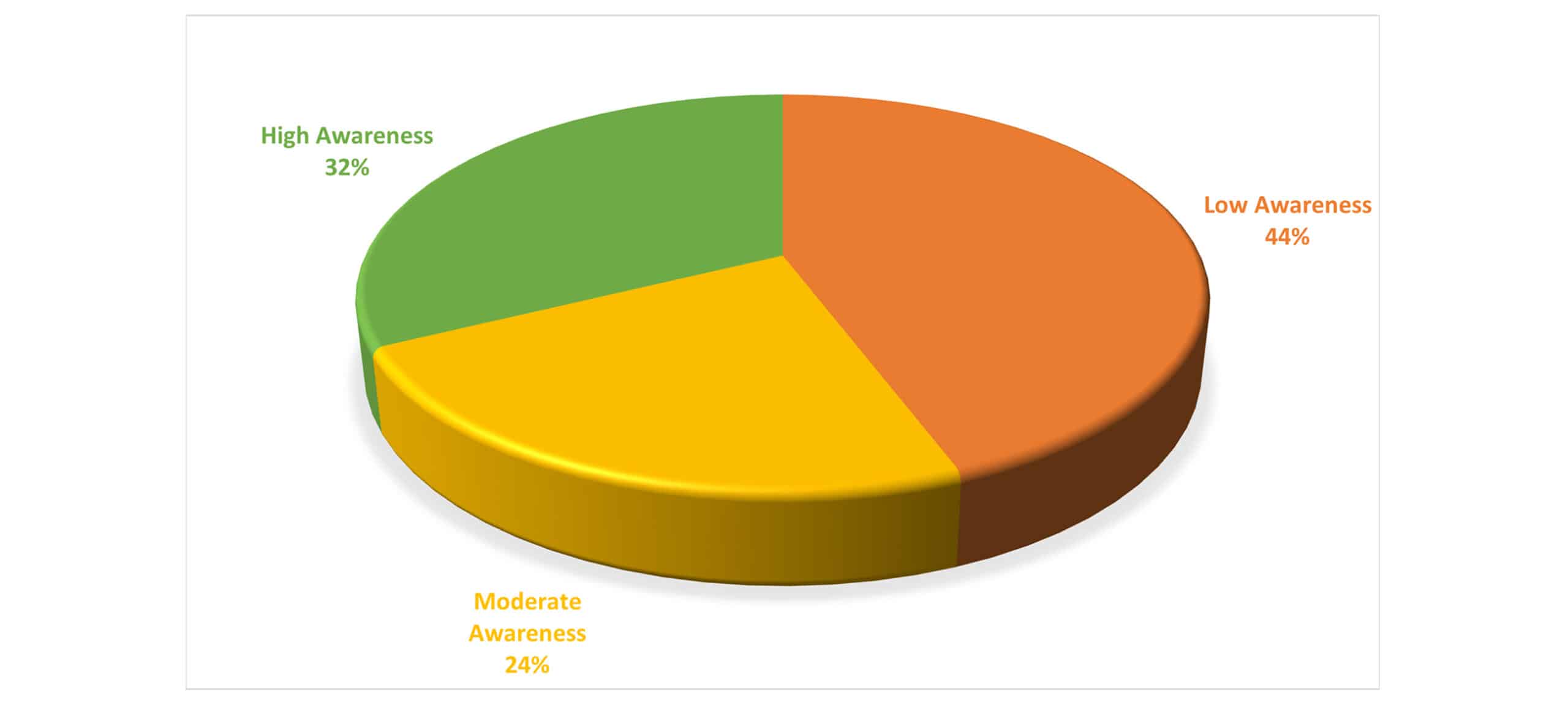
Figure 1: Awareness level of participants regarding IV medication
Figure 2 demonstrates the state of safety knowledge among the participants in terms of the IV medication practices. The statistics indicate that the number of those with low safety knowledge was 189 (49.2%), or almost half of the sample. Moderate level was found in 65 participants (16.9%), which was the least, and 130 participants (33.9%) had a high level of safety understanding. These results show that a considerable percentage of patients do not understand the measures of IV medication safety well enough, and this risk can lead to the emergence of complications that can be avoided, and greater engagement in safety-related behaviors.
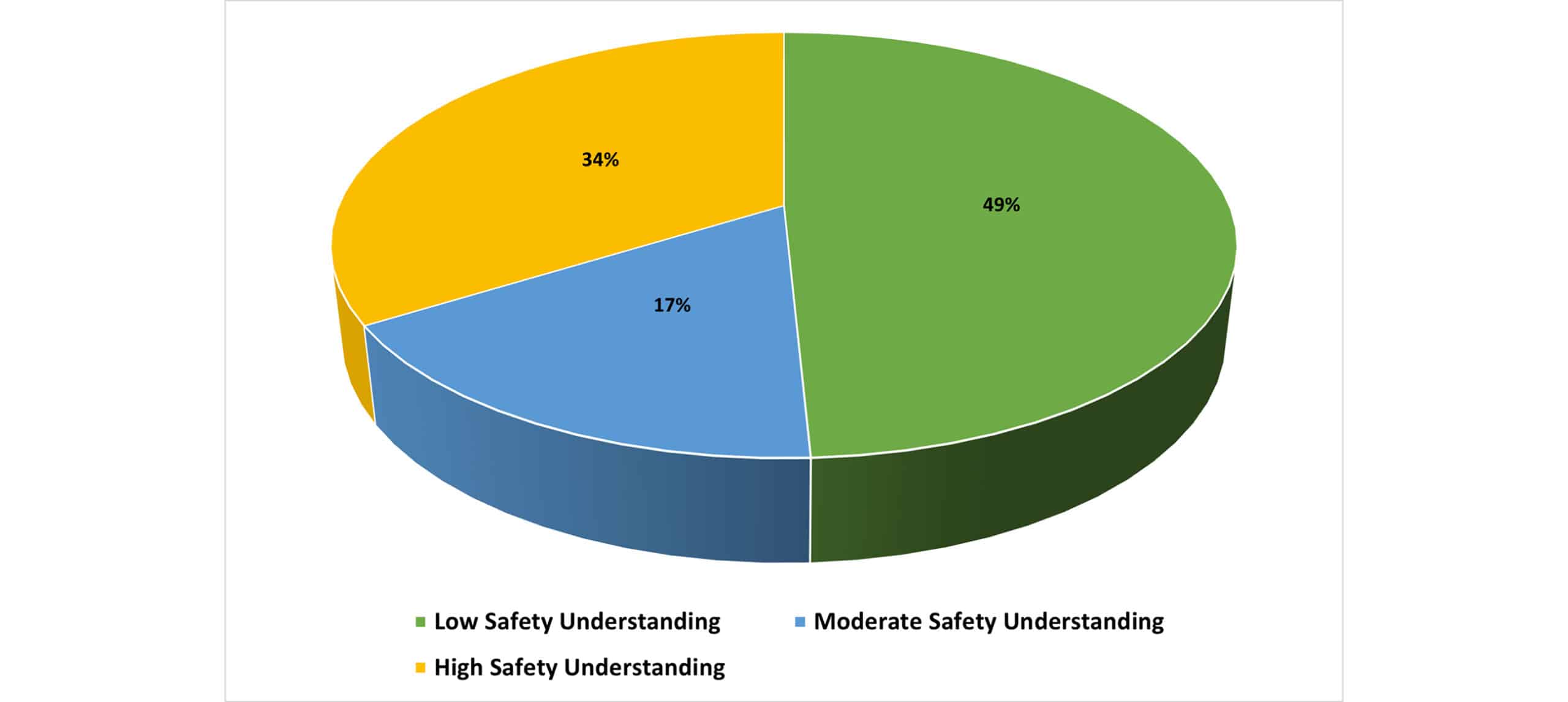
Figure 2: Safety understanding level of participants regarding IV medication
The relationship between the level of awareness and safety understanding among the participants is illustrated in Table 4.4. The chi-square test also showed a very significant relationship (χ² = 614.338, df = 4, p < 0.001), thus showing the two variables to be strongly related. Highly aware participants showed a greater tendency to exhibit high levels of safety understanding compared to lowly aware participants, who showed a tendency to have low levels of safety comprehension. The outcomes of the awareness and low safety understanding combined amounted to (46.87%), with a considerable knowledge gap. These observations imply that patient awareness is directly linked to a better level of understanding of patient safety on IV medication, which poses the value of educational interventions in hospitals of the public sector.
| Awareness level | Low safety understanding | Moderate safety understanding | High safety understanding | Total |
| Low Awareness | 84 | 28 | 58 | 170 |
| Moderate Awareness | 44 | 16 | 30 | 90 |
| High Awareness | 61 | 21 | 42 | 124 |
| Total | 189 | 65 | 130 | 384 |
| Chi-Square (χ²) test | Value = 614.338; df = 4; p <0.001 | |||
Table 2: Association between awareness level and safety understanding (N = 384)
Discussion
The current study evaluated the patient awareness and safety knowledge of intravenous (IV) medication in the public sector hospitals of Swat and found that a significant number of the participants portrayed low awareness and safety knowledge. Almost half of the participants were lowly aware (44.3) and lowly understanding of safety (49.2). These results demonstrate that there were significant deficits in patient education and involvement with regard to IV medication practices. Inadequate knowledge of patients regarding the purpose of medication, dosage, and possible side effects has been reported in similar studies in tertiary hospitals in developing countries, especially in the cases of public healthcare.[15,16] The factors that have been mentioned include limited structured counseling and a high load of patients.
Demographic results indicated that the greatest number of participants were illiterate (55.47%), and they were mostly middle-aged adults. The low level of education was strongly related to the low awareness and safety knowledge. Earlier studies have continuously proved that health literacy is a significant factor that determines patients’ understanding of information about medicine.[17] Patients who are less educated tend to have problems with comprehending medical terminology and instructions given on safety. In some reports carried out in the urban tertiary centers, the level of awareness was found to be relatively higher among the educated populations.[13] The illiteracy was very high in the current study, so the lack of overall awareness could be attributed to illiteracy.
Gender variations were also found to be significant, as far as awareness and safety understanding were concerned. The greater number of respondents were males, and it was determined that there were differences in the level of awareness between genders. Similar results have been presented in some studies of Southeast Asia, where sociocultural forces affected access to healthcare and communication patterns.[18] There are, however, a few international studies that have found no significant gender-based differences in medication awareness.[19] The difference in the results can be a manifestation of the contextual and cultural effects in particular healthcare systems.
Marital status was found to be significantly associated with the level of awareness and safety understanding. The married people showed varied patterns of awareness when compared with the unmarried participants. It has been postulated in the literature that family members can support the married patients further, and this can affect the health information processing and healthcare decision-making.[20] This is because other researchers have not found marital status to be a powerful predictor of medication awareness.[21] The dissimilarity can be ascribed to the family involvement in discussions of treatment in some cultural backgrounds.
The correlation of awareness and safety understanding was very high in the given study (χ² 614.338, p = 0.001), and this implied that patients who had a higher awareness level had a higher probability of demonstrating a better level of safety understanding. This observation has been consistent with other studies that have found patient education to result in improved awareness of adverse drug reactions and the adoption of proactive communication with health care professionals.[22] Research studies on patient-centered care models have proved that informed patients can better detect instances of medication errors and engage in the process of safety checks.[23] Reduced levels of awareness have been associated with a delay in reporting IV-related complications.
Awareness and safety levels were also significantly related to the hospital setting. The respondents in bigger tertiary institutions demonstrated differences from smaller hospitals. Studies have shown that awareness outcomes are affected by institutional policies, employment staff, and organized patient counseling services.[24] Hospitals that have specific patient education initiatives have recorded better knowledge scores on the admitted patients. Overcrowded and understaffed public hospitals of the public frequently have trouble delivering personalized medication counseling.[11] These systemic restrictions can be the reason behind differences that exist between hospital environments.
Recommendations: The recommendations that can be offered based on the study findings are as follows: The public sector hospitals should introduce structured courses on patient education about the purpose of IV medications, administration, and safety measures. To overcome the low literacy level, simplified educational materials should be prepared, like brochures, visual charts, and verbal counseling in the local languages. Routine counseling of patients taking IV medications by nurses and medical practitioners should be given to help patients be more aware and engaged in practices that ensure safety. The hospital administrations are supposed to develop standard patient education procedures in the form of medication administration. Patient awareness programs should be checked and assessed regularly to ensure effectiveness and sustainability. The focus of future research must be action-based research to identify how well intervention-based strategies can be applied to enhance patient knowledge and safety in comparable healthcare facilities.
Conclusion
The current research evaluated patient awareness and understanding of patient safety regarding IV medication in the public sector hospitals in Swat. The results showed that a significant percentage of patients had low scores in terms of awareness and safety knowledge, and almost half of the respondents had been classified within the low awareness and low safety knowledge categories. The variables that were found to be statistically significant in relation to both levels of awareness and safety understanding were educational level, age, gender, marital status, and hospital setting. The positive correlation between awareness and safety understanding has been found as strong positive, which means that more of the patients who are more aware were more likely to have better knowledge about the safety practices connected with IV medication. A great percentage of illiterate respondents also highlighted the role of health literacy in patient understanding. The findings indicate that there is a knowledge gap in patients admitted to hospitals and that there is a necessity to have systematic educational interventions to help the patients become more engaged in medication safety procedures. Enhancing patient awareness can help achieve better safety results, decrease the risks associated with medication, and improve the quality of care in the public sector hospitals.
References
- Weheida P, Atia A, Rassol Z, Dawood T. Assessment of nurses’ knowledge and practices concerning safety measures throughout intravenous therapy administration. Damanhour Sci Nurs J. 2023;1:81-98. doi:10.21608/dsnj.2023.300249
Crossref | Google Scholar - Blandford A, Furniss D, Galal-Edeen GH, et al. Intravenous infusion practices across England and their impact on patient safety: a mixed-methods observational study. NIHR Journals Library; February 2020. Intravenous infusion practices across England and their impact on patient safety: a mixed-methods observational study
- Ntow HD, Opoku A, Menlah A, Poku AA. Assessing intravenous medication administration among nurses in the emergency department of the Komfo Anokye Teaching Hospital. Asian J Res Nurs Health. 2021;4(1):225-246. Assessing Intravenous Medication Administration among Nurses in the Emergency Department of the Komfo Anokye Teaching Hospital
- Al-Jumaili AA, Abbood SK, Abbas AN, et al. Organization factors influencing nurse ability to prevent and detect adverse drug events in public hospitals using a patient safety model. Saudi Pharm J. 2021;29(10):1216-1222. doi:10.1016/j.jsps.2021.09.003
PubMed | Crossref | Google Scholar - Afaya A, Konlan KD, Kim Do H. Improving patient safety through identifying barriers to reporting medication administration errors among nurses: an integrative review. BMC Health Serv Res. 2021;21(1):1156. doi:10.1186/s12913-021-07187-5
PubMed | Crossref | Google Scholar - Ullah Z, Sulaiman MABA, Ali SB, et al. The effect of work safety on organizational social sustainability improvement in the healthcare sector: the case of a public sector hospital in Pakistan. Int J Environ Res Public Health. 2021;18(12):6672. doi:10.3390/ijerph18126672
Crossref | Google Scholar - Kumbi M, Hussen A, Lette A, Nuriye S, Morka G. Patient Safety Culture and Associated Factors Among Health Care Providers in Bale Zone Hospitals, Southeast Ethiopia: An Institutional Based Cross-Sectional Study. Drug Healthc Patient Saf. 2020;12:1-14. doi:10.2147/DHPS.S198146
PubMed | Crossref | Google Scholar - Mustafa ZU, Haroon S, Aslam N, et al. Exploring Pakistani physicians’ knowledge and practices regarding high alert medications: findings and implications. Front Pharmacol. 2022;13:744038. doi:10.3389/fphar.2022.744038
Crossref | Google Scholar - Kassem LM, Alhabib B, Alzunaydi K, Farooqui M. Understanding Patient Needs Regarding Adverse Drug Reaction Reporting Smartphone Applications: A Qualitative Insight from Saudi Arabia. Int J Environ Res Public Health. 2021;18(8):3862. doi:10.3390/ijerph18083862
PubMed | Crossref | Google Scholar - Quintens C, Steffens E, Jacobs K, et al. Efficacy and safety of a Belgian tertiary care outpatient parenteral antimicrobial therapy (OPAT) program. Infection. 2020;48(3):357-366. doi:10.1007/s15010-020-01398-4
PubMed | Crossref | Google Scholar - Abbas M. Evaluation of healthcare professionals’ understanding of fluoroquinolones’ safety profile, usage, and boxed warnings in Pakistan. J Pharm Policy Pract. 2023;16:Article 74. doi:10.1186/s40545-023-00674-6
Crossref | Google Scholar - Ahmad T, Sitaruno S, Pattharachayakul S, Kiddeer M, Khan SA. Intravenous medication administration practices: insights into knowledge, attitude, and behavior of intensive care unit (ICU) nurses in Pakistan. BMC Nurs. 2025;24(1):765. doi:10.1186/s12912-025-03262-y
PubMed | Crossref | Google Scholar - Dhungana J, Bajracharya S, Reynolds NR. Knowledge and Performance on Intravenous Medication Administration to Patients: A Cross-Sectional Observational Study Among Nurses of Nepal. Nurs Open. 2024;11(10):e70056. doi:10.1002/nop2.70056
PubMed | Crossref | Google Scholar - Alharthi A, Alshagrawi S. The impact of standardization of intravenous medication on patient safety and quality of healthcare: a systematic review. Open Public Health J. 2024;17:e18749445335795. doi:10.2174/0118749445335795241008064623
Crossref | Google Scholar - Tenza IS, Blignaut AJ, Ellis SM, Coetzee SK. Nurse perceptions of practice environment, quality of care and patient safety across four hospital levels within the public health sector of South Africa. BMC Nurs. 2024;23(1):324. doi:10.1186/s12912-024-01992-z
PubMed | Crossref | Google Scholar - Ahmed R, Tamim MT. Enhancing medication safety: the role of community and hospital pharmacists in modern healthcare systems. Radinka J Health Sci. 2025;2(3):328-355. doi:10.56778/rjhs.v2i3.418
Crossref | Google Scholar - Kim JH, Hwang I, Kim EM. Factors influencing peripheral intravenous catheter practice of nurses in small and medium sized hospitals: a cross-sectional study. BMC Nurs. 2024;23(1):347. doi:10.1186/s12912-024-02026-4
PubMed | Crossref | Google Scholar - Kachoria AG, Fatima H, Lightfoot AF, et al. Understanding barriers and facilitators to implementation of a patient safety bundle for pregnancy-related severe hypertension in 3 North Carolina outpatient clinics: a qualitative study. Implement Sci Commun. 2025;6(1):7. doi:10.1186/s43058-024-00685-7
PubMed | Crossref | Google Scholar - Lam J, El Nsouli D, Lee EL, et al. Assessing the knowledge, attitudes and practices of healthcare staff and students regarding disposal of unwantead medications: a systematic review. BMJ Open. 2024;14(12):e093636. doi:10.1136/bmjopen-2024-093636
PubMed | Crossref | Google Scholar - Quinn M, Horowitz JK, Krein SL, et al. The role of hospital-based vascular access teams and implications for patient safety: A multi-methods study. J Hosp Med. 2024;19(1):13-23. doi:10.1002/jhm.13253
PubMed | Crossref | Google Scholar - Uramatsu M, Kimura N, Kojima T, et al. Frontline nursing staff’s perceptions of intravenous medication administration: the first step toward safer infusion processes-a qualitative study. BMJ Open Qual. 2024;13(2):e002809. doi:10.1136/bmjoq-2024-002809
PubMed | Crossref | Google Scholar - Öz GÖ, Arslanli SE, Pekyiğit A. Pediatric nurses’ experiences of implementing the ‘ten right principles’ in safe medication management: A descriptive phenomenological study. J Pediatr Nurs. 2024;78:97-105. doi:10.1016/j.pedn.2024.06.004
PubMed | Crossref | Google Scholar - Adams C, Walpola R, Iqbal M, Schembri A, Harrison R. The three pillars of patient experience: identifying key drivers of patient experience to improve quality in healthcare. J Public Health. 2024;33:2105-2113. doi:10.1007/s10389-023-02158-y
Crossref | Google Scholar - Jameel A, Sahito N, Guo W, Khan S. Assessing patient satisfaction with practitioner communication: patient-centered care, hospital environment and patient trust in the public hospitals. Front Med (Lausanne). 2025;12:1544498. doi:10.3389/fmed.2025.1544498
PubMed | Crossref | Google Scholar
Acknowledgments
The authors would like to express their sincere gratitude to Dr. Shah Hussain, Principal/Associate Professor, Janbar College of Nursing, Swat, for his invaluable supervision, guidance, and support throughout the course of this study.
Funding
This research did not receive any specific grant from funding agencies in the public, commercial, or not-for-profit sectors.
Author Information
Corresponding Author:
Muhammad Farooq
Department of Nursing
Saidu Group of Teaching Hospital, Swat, Pakistan
Email: mfarooqswat6@gmail.com
Co-Authors:
Muhammad Adnan, Asad Jamal, Asif Hamza, Hussain Ali, Murad Ali, Mansoor Ahmad, Farhan UD Din
Department of Nursing
Saidu Group of Teaching Hospital, Swat, Pakistan
Authors Contributions
Muhammad Adnan, Asad Jamal, and Asif Hamza contributed to data collection and data analysis. Hussain Ali, Murad Ali, and Mansoor Ahmad were responsible for data collection and literature review. Farhan Ud Din and Muhammad Farooq contributed to data collection, data organization, and interpretations.
Ethical Approval
Ethical Approval was obtained from the Saidu Teaching Hospital, Swat, Ref No SGTH/IRB/2026/26.
Conflict of Interest Statement
The authors declare that there is no conflict of interest.
Guarantor
Muhammad Adnan is the guarantor of this study and takes full responsibility for the integrity of the data and the accuracy of the data analysis.