








 Author Affiliations
Abstract
Background: The preventive strategy known as universal precautions (UPs) serves as a fundamental barrier to stopping healthcare-acquired infections and blood-borne pathogens. However, the adherence levels to UPs among nurses prove inconsistent even in developing nations, particularly Pakistan.
Methodology: The research took place from March to June 2023 inside Lady Reading Hospital. Two hundred twenty nurses participated in this study through random sampling. The survey utilized validated questions to evaluate nurses’ UP-related skills and behaviors, specifically concerning hand hygiene, personal protective equipment (PPE) use, and their abilities to prevent sharp injuries. The researchers employed descriptive and inferential statistical approaches to analyze their study data.
Results: Research findings indicated that nurses demonstrated a good understanding of UPs by reaching 72.4% while achieving a 90% success rate in washing their hands after contact with blood or contaminated material. Few nurses (7.7%) followed standard practices for wearing goggles on the PPE equipment. Generally, training about UPs was received by 26.4% of nurses. Nurses reported experiencing sharp injuries at a rate of 66.8%, according to the study results, although 76.2% neglected to document these incidents since they lacked an understanding of correct reporting protocols.
Conclusion: Healthcare professionals displayed sufficient knowledge about UPs but showed unsatisfactory practice levels, specifically in PPE use.
Keywords
Universal precautions, Infection control, Nurses, Compliance, Sharp injuries.
Introduction
UPs are the basic methods of infection control in a healthcare facility, which are specifically aimed at reducing the risks of contamination by blood-borne pathogens (BBP), such as HIV, hepatitis B virus, and hepatitis C virus.[1] These include but are not limited to hygienic hand washing, donning and doffing PPE, safe disposal of needles and sharps, and compliance with standard precautions (SP). Although these methods are useful in decreasing the risk of exposure in the workplace, compliance with UPs has not been consistent, particularly in developing countries such as Pakistan.[2] Poor compliance with these UPs increases the likelihood of infections among healthcare providers and patients alike, thus highlighting the importance of ongoing evaluation and education efforts.[3]
In the region, Peshawar’s Lady Reading Hospital (LRH) is one of the leading hospitals, and nurses manage first contact with the patients. Due to their regular contact with blood and body fluids, nurses must routinely follow UPs to minimize occupational risks.[4] However, several reasons, such as inadequate facilities, poor training, non-adherence to protocols, and high workload, contribute to gaps in compliance. Multiple studies have shown that although many nurses claim to know of UPs, their application is subject to several institutional and personal constraints. This study will assess the nurses’ compliance with universal precautions and the barriers affecting LRH adherence.[5]
Violence against women is one of the most worrying social issues of the modern era, whose reasons are deeply rooted in cultural practices, family values, denial of women’s rights, and unequal treatment in most countries in the world.[6] The broad category of violence against women includes any act perpetrated against women that may inflict either physical or psychological harm, which also entails discrimination, stalking, and abuse.[7] Child abuse and abuse against women are stark realities of life that many women choose to ignore since there is no help available at hand to address these issues. As the world advances into the contemporary age, the rise in domestic abuse numbers has become a menacing trend that needs close examination.[8] This type of violence is used with the intent to control or maintain hierarchical authority over a woman by men. It results from sociocultural forces, a need to allocate esteem through power, and a reflection of masculine dominance in society that perpetuates the idea of a ‘subordinate wife’ and ‘dominant husband.[9]
Institutional backing is very important in ensuring adherence to universal precautions. Providing adequate PPE and safety policies, including enforced education and monitoring of safety culture, must be supplied by a hospital.[10] Reinforcing regular compliance best practices using audits, workshops, and training sessions can help address compliance deficiencies. Encouraging nurses to report incidents without blame fosters better surveillance of occupational hazards and improves preventive strategies.[11]
This study is focused on revealing UP adherence among nurses at LRH, Peshawar. Gaps in compliance, knowledge, and lack of institutional support will be located to help control infection intervention measures.[12] Strengthening the implementation of universal precautions will help protect against infection control for all healthcare workers, patients, and the system. This study is an attempt to support efforts toward minimizing the risk of occupational infection for healthcare personnel and maximizing safety for patients at LRH. [13]
Methodology
A cross-sectional study at LRH, Peshawar, was conducted from March to June 2023. LRH, a public sector tertiary care hospital with a considerable patient footfall, was an appropriate setting to evaluate infection control practices among nurses. The entire nursing staff was included in the study, consisting of male and female nurses with at least three months of work experience, while those on leave or absent during the study period were not considered. The hospital’s nursing staff randomly selected a sample of 220 nurses using the World Health Organization (WHO) sample size calculator to ensure a subset sample was available to assess their compliance with universal precautions.
Data collection procedure: An anonymous questionnaire, described by Ratcliff as a valid and reliable measure (CVI 0.85, Cronbach alpha 0.80), was divided into two sections and was employed for data collection:
- Personal and demographic information: This portion sought to capture pertinent information related to a respondent’s age, gender, marital status, job title, education, years working in the hospital, and employment location.
- Compliance with UP: This section focused on the nurses’ compliance with hygiene protocols such as hand washing, sanitizing hands, wearing personal protective equipment, and following protective compliance procedures.
A total of 249 nurses were administered a questionnaire interview, of which 220 responded and returned it, resulting in a response rate of 88.4%.
Data analysis: The analysis of data was performed using SPSS version 22 software. Socio-demographic data were summarized using descriptive statistics. Staff nurses’ knowledge and practices regarding universal precautions were analyzed using frequency distributions and percentages. Mean knowledge and practice scores were computed, and the relationship between knowledge and practice was evaluated using the Pearson correlation coefficient. Associations for different variables were determined using chi-square tests.
Consideration of ethics: Ethical approval for the study was obtained from the institutional review board (IRB) of LRH with Ref. NO LRH/2023/22/IRB and the Principal of the Post Graduate College of Nursing, Hayatabad. An information sheet outlining the aim of the study was provided to all participants, from whom signed consent was obtained. Confidentiality of the data was maintained, and participants were assured that their answers would only be used for research purposes. They were also informed that they could withdraw from the study without any penalty.
Results
Demographic characteristics of study participants: This research involved 220 nurses working at LRH in Peshawar, who had an average age of 31.8 years, among whom 53.2% were female nurses and 46.8% were male. Most nurses among the participants (68.7 percent) had less than ten years of professional experience, while 46.4 percent were practical nurses. Standard precautions education remains inadequate in healthcare facilities since training reached only 26.4% of staff members (Table 1).
| Variable | Category | Frequency (n) | Percentage (%) |
| Age group (Years) | 20-29 | 97 | 44.1 |
| 30-39 | 85 | 38.6 | |
| 40-49 | 33 | 15.0 | |
| 50-59 | 5 | 2.3 | |
| Gender | Male | 103 | 46.8 |
| Female | 117 | 53.2 | |
| Job category | Practical nurses | 102 | 46.4 |
| Staff nurses | 98 | 44.5 | |
| Practical midwives | 12 | 5.5 | |
| Staff midwives | 8 | 3.6 | |
| Department | Emergency unit | 32 | 14.5 |
| ICU | 31 | 14.1 | |
| Pediatric unit | 21 | 9.5 | |
| Surgical unit | 29 | 13.2 | |
| Internal medicine | 27 | 12.3 | |
| Kidney unit | 14 | 6.4 | |
| Obstetrics & gynecology | 25 | 11.4 | |
| Thalassemia unit | 2 | 0.9 | |
| Operation room | 17 | 7.7 | |
| Orthopedic unit | 9 | 4.1 | |
| Burn unit | 5 | 2.3 | |
| Urology unit | 5 | 2.3 | |
| Day care | 2 | 0.9 | |
| Bleeding unit | 1 | 0.5 | |
| Experience (Years) | 0-9 | 145 | 68.7 |
| 10-19 | 56 | 26.5 | |
| 20-29 | 7 | 4.7 | |
| Training on standard precautions (SP) | Yes | 58 | 26.4 |
| No | 162 | 73.6 | |
| Source of training on SP | Training program | 16 | 7.3 |
| Workshop | 10 | 4.6 | |
| University study | 21 | 9.5 | |
| In-service education | – | – |
Table 1: Demographic characteristics of participants
The participant proportion included 53.2% female nurses and 46.8% male nurses, showing a small dominant presence of female participants. LRH in Peshawar maintains an equal proportion of male and female personnel in nursing positions.
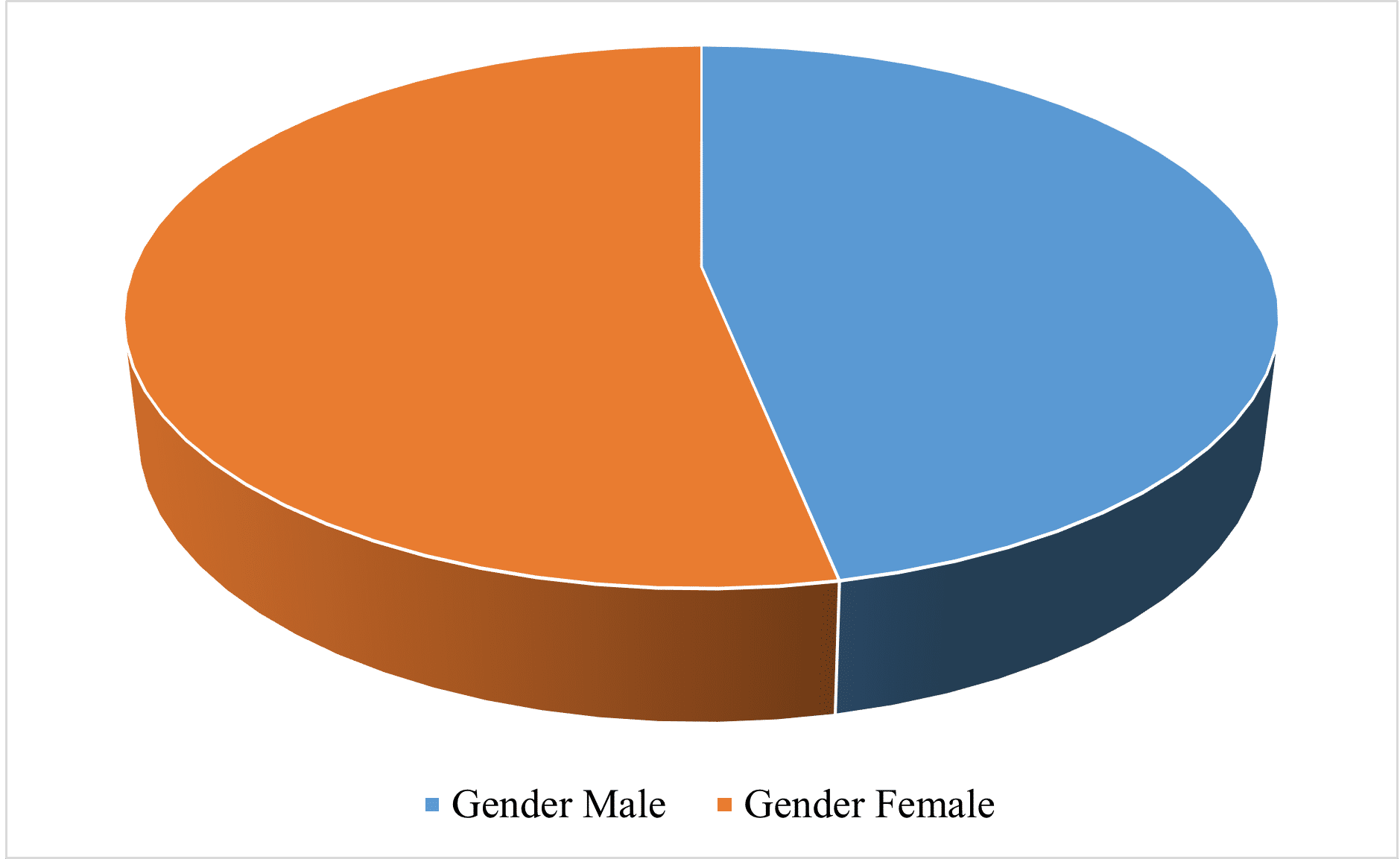
Figure 1: Gender distribution of participants
Standard precautions should be used for every patient, and all patients should be treated as though they carry blood-borne pathogens, according to the opinions of 72.4% and 58.4% of participants. People demonstrated high levels of hand hygiene awareness as they understood completely the requirements for hand washing after blood or body fluid exposure. Results showed very different levels of protective equipment use because 90.7% of respondents agreed about the need for gloves, yet 53.4% disagreed with using goggles for splash prevention.
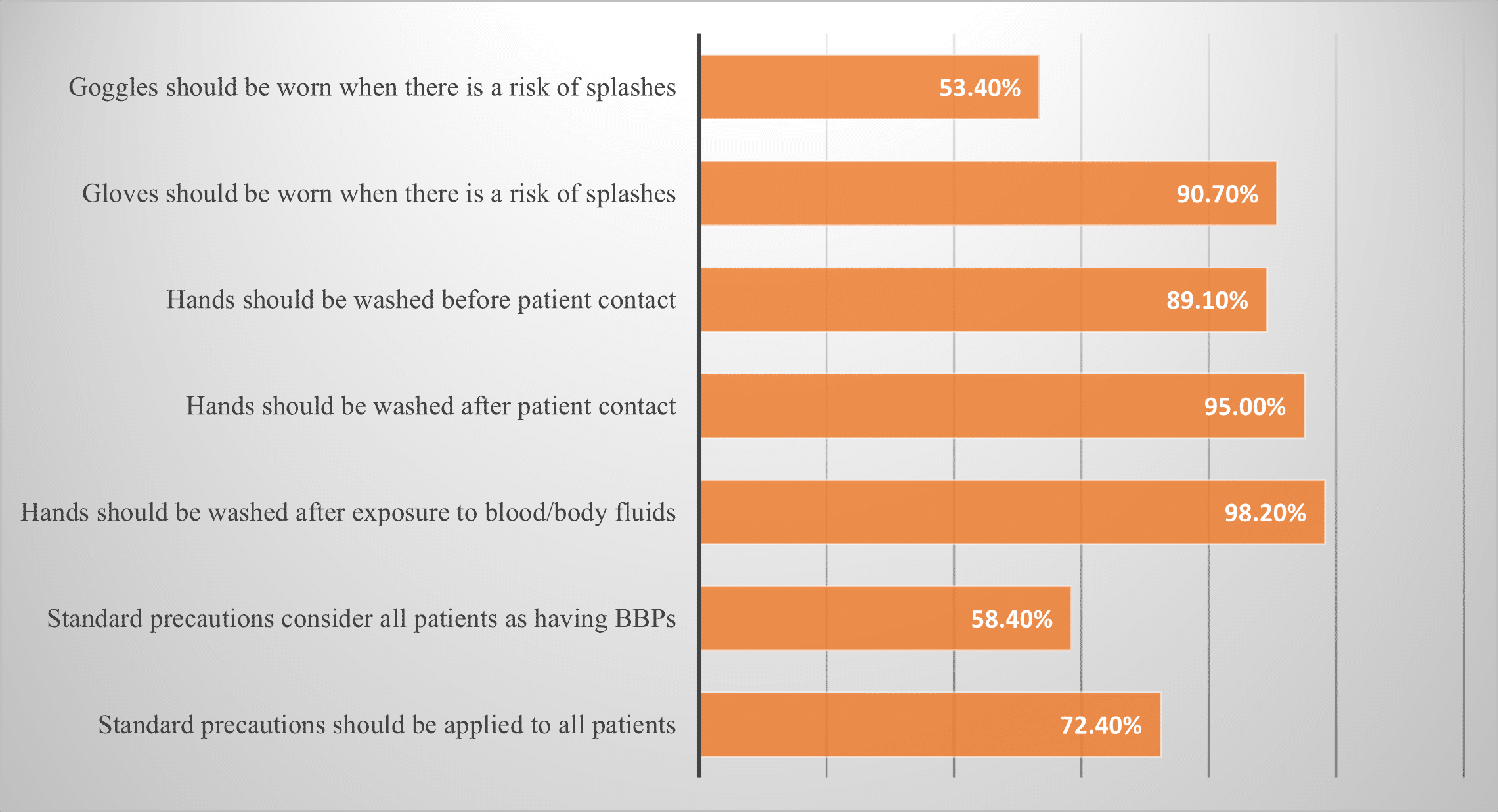
Figure 2: Knowledge of participants about standard precautions
The research revealed that standard precaution usage occurred consistently among 40.2% of participants, and handwashing always happened when there was blood or contaminated item exposure among 90% of participants. Faces an issue with office eye protection compliance since 7.7% of nurses used goggles only rarely while performing procedures where splashes were possible. This exceeds the 48% noncompliance rate with hand hygiene before and during glove operation.
| Adherence item | Always applied (%) |
| Always apply standard precaution (SP) measures when dealing with patients | 40.2 |
| Wash hands after accidental contact with blood, secretions, or contaminated items | 90.0 |
| Wash hands after and before using gloves | 48.0 |
| Wash hands after patient contact | 73.8 |
| Wash your hands before patient contact | 73.2 |
| Wear gloves when procedures may generate splashes/sprays of blood or body fluids | 65.2 |
| Wear goggles when procedures may generate splashes/sprays of blood or body fluids | 7.7 |
Table 2: Participants’ adherence to standard precaution measures
Research showed that 72.4% of people correctly understood the definition of sharp injuries (SI) while 68.8% knew what needle stick injuries (NSI) entailed. The study results showed that both sharp disposal containers were consistently accessible to staff (95%), and the majority agreed that needles must be disposed of right after use (94.6%). Keeping needles attached to syringes during usage failed to reach the desired level of 63.3%. This demonstrates there are important safety problems in handling procedures.
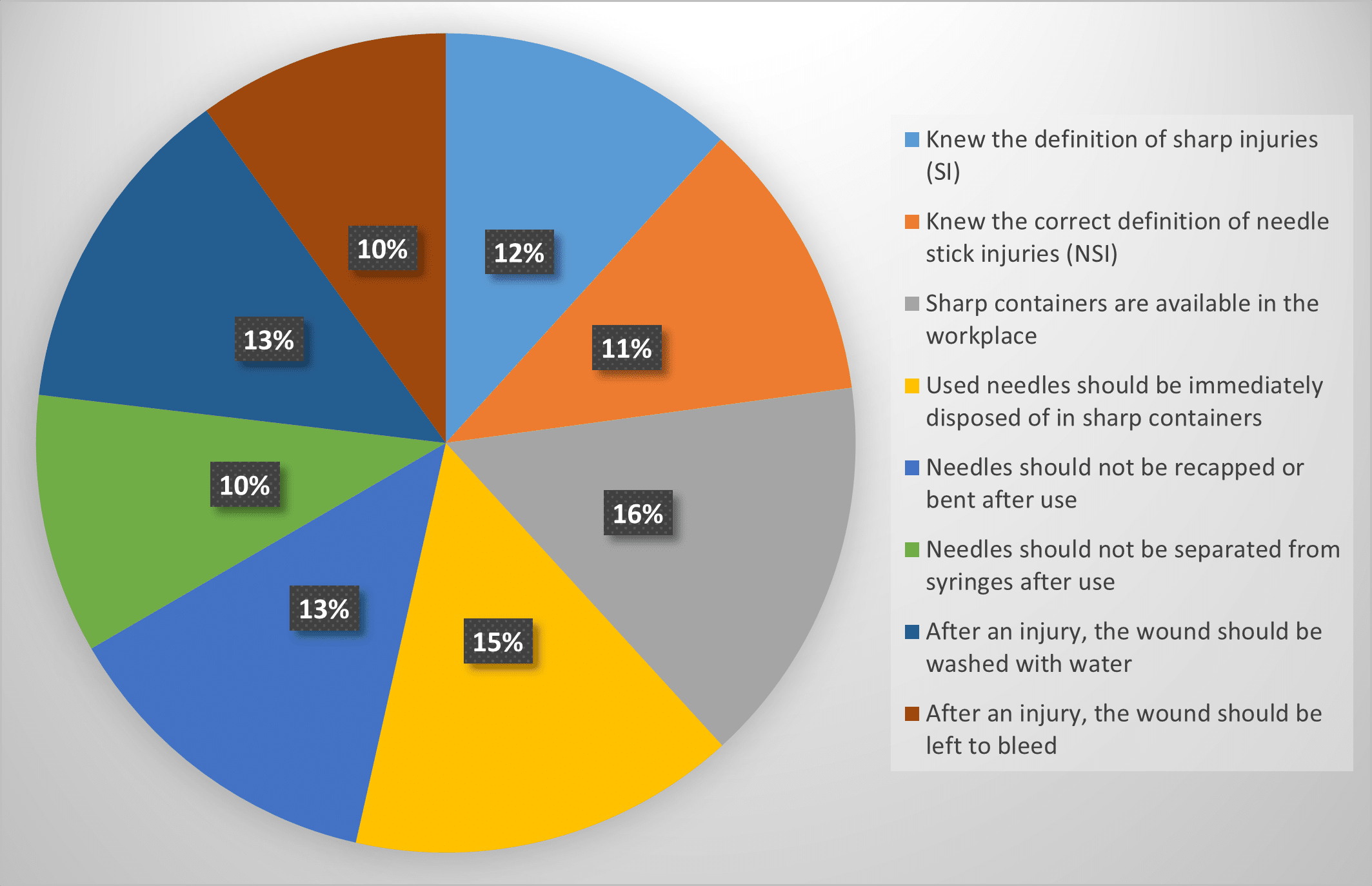
Figure 3: Participants’ knowledge and practices regarding SI and NSI
Staff nurses, practical nurses, staff midwives, and practical midwives showed minimal variations in their SP and SI knowledge scores and practice scores according to the study results (p > 0.05). The measured levels of understanding regarding both SP and SI reached their highest point with staff midwives (7.13 ± 1.64 and 7.12 ± 1.55), and the lowest practice scores for SI emerged among practical midwives (3.92 ± 1.38). The standardized level of knowledge indicates that healthcare professionals require better adherence to practice standards across all nursing categories.
| Category | Knowledge of SP (Mean ± SD) | Practice of SP (Mean ± SD) | Knowledge of SI (Mean ± SD) | Practice of SI (Mean ± SD) |
| Staff nurses | 6.93 ± 1.43 | 4.00 ± 1.82 | 7.04 ± 1.45 | 4.60 ± 1.90 |
| Practical nurses | 6.57 ± 1.53 | 4.28 ± 1.66 | 6.75 ± 1.45 | 4.49 ± 1.75 |
| Staff midwives | 7.13 ± 1.64 | 4.25 ± 1.03 | 7.12 ± 1.55 | 4.38 ± 1.40 |
| Practical midwives | 6.58 ± 1.64 | 4.50 ± 1.67 | 6.50 ± 1.67 | 3.92 ± 1.38 |
| P-Value | 0.499 | 0.214 | 0.299 | 0.891 |
Table 3: Association between the mean score of participants and designation of participants
Participants’ standard precaution and sharp injury knowledge scores had significant positive connections with their practice performance (standard precautions r = +0.143 p = 0.034, sharp injuries r = +0.158 p = 0.008). Results indicate that an improved understanding of infection control leads to elevated adherence among medical workers when following proper practices.
| Correlation | Correlation coefficient (r) | P-Value | Significance |
| Knowledge score & practice score (SP) | +0.143 | 0.034 | Significant |
| Knowledge score & practice score (SI) | +0.158 | 0.008 | Significant |
Table 4: Correlation between knowledge and practice scores for SP and SI
Discussion
The results from this study are important and related to the knowledge, practices, and adherence to SP by nurses at LRH, Peshawar. As with other studies that have been done in these settings, the results demonstrate both a broad range of infection control practices and weaknesses.
Demographic characteristics: This study targeted nurses, of whom 220 were surveyed, with their average age being 31.8 years. Females slightly outnumbered males, making up 53.2%. This proportion is typical of nursing practice worldwide, where women comprise most of the workforce. A sizeable number of participants (68.7%) were relatively inexperienced, having worked for less than 10 years.[14] This aligns with other developing nations, which have been shown to employ a younger, less experienced nursing workforce. Interestingly, only 26.4% of study participants reported having attended a training session on standard precautions, which is alarming given the importance of SP in controlling healthcare-associated infections (HAIs). This is in line with other studies in Nigeria and India, where there was a lack of training on infection control policies and practices.[15]
Knowledge of standard precautions: The study showed that 72.4% knew all patients would be treated with standard precautions, and 98.2% knew that handwashing was required after contacting blood and body fluids. Those findings would align with reports from Brazil and the Philippines, where hand hygiene awareness was similarly high.[16]
Furthermore, only 53.4% of the respondents stated that they would put on goggles if there were splashes, showing a lack of understanding regarding eyewear safety. This is in line with the study done in Iran, where 31.9% of nurses reported wearing eye protective measures regularly.[17] Under practices and adherence to SP, 90% of the respondents indicated that they would always clean their hands after being in contact with blood or dirty items. However, only 48% practiced hand cleaning before and after putting on gloves. This trend of the gap between knowledge and practice is familiar in other studies. For instance, in Brazil, although 96.5% of nurses recognized the need for hygienic hand washing, just 26.9% practiced it consistently.[18] Similarly, in the present study, 7.7% of respondents always put on goggles during splash procedures, showing too little compliance with eye protective measure protocols. This agrees with a study done in Kuwait, which described nurses wearing goggles as infrequent at 20.5%. [19]
Relating Knowledge and Practices Regarding Sharp Injuries (SI) and Needle Stick Injuries (NSI), the result showed that 72.4% of respondents understood sharp injuries (SI) while 68.8% understood needle stick injuries (NSI). The majority, 95%, said there were sharps containers in the ward, and 94.6% believed that disposing of needles must be done without delay. However, only 63.3% recognized that the needles should not be detached from the syringes after they have been used, emphasizing lapses in safe handling procedures.[20]
Knowledge and practice correlation: The study established a significant positive relationship between knowledge and practice scores with standard precautions (r = +0.143, p = 0.034) and sharp injuries (r = +0.158, p = 0.008). This means that the greater the knowledge, the higher the likelihood of compliance with infection control practices. Similar results were recorded in a study conducted in China, where the relationship between knowledge and practice of standard precautions was positive. [21] However, studies like those done in the Philippines and the Maldives reported no relationship between knowledge and practice, implying that knowledge does not always lead to improved compliance.[22]
Sharp injuries and needle stick injuries frequency: The study demonstrated that 66.8% of the respondents reported sharp injuries within the last 12 months, while 46.4% had reported needle stick injuries. These observations align with other developing countries where high incidences of sharp injuries and needle stick injuries have been reported.[23] For instance, a research study conducted in India observed that 80.1% of healthcare professionals suffered from needle stick injuries within the last year.[24] Likewise, a study in Pakistan noted that nurses who sustained needle stick injuries stood at a prevalence of 71.9%. In the current study, the leading cause of sharp injuries was recapping needles (13.5%), as found in studies conducted in Lithuania and Iran, where recapping was also a significant cause of injuries.[25]
Reporting of injuries: Regarding reporting, one of the frightening findings of this study is that 76.2% of sharp injuries went unreported, with the primary reason being a lack of knowledge about how to report it (55.8%). This goes hand in hand with studies done in Turkey and Cyprus, where the underreporting of injuries was also associated with ignorance of how to report. The failure to report injuries is an obstacle to efficient infection control as it hinders the capacity of healthcare facilities to enact preventative strategies and issue post-exposure prophylactic assistance.[26]
In contrast to developed nations, the rates of sharp injuries and needle stick injuries reported in this study are comparatively higher. In one study from Lithuania, only 38.5% of nurses reported having needle stick injuries within the year. This gap could be due to the differences in resource availability, training, and compliance with infection control practices in developed versus developing nations.[27]
Recommendations
- Additional Teaching Interventions: Workshops and training seminars should be organized frequently to update the nurses’ infection control knowledge and skills, especially about personal protective equipment and the safety of sharp objects.
- Provision of PPE: It is recommended that hospitals provide sufficient protective equipment, such as gloves, masks, gowns, and goggles, so that nursing staff can observe the standard precautions.
- Enhanced Reporting Procedures: An efficient reporting system for sharps and needle stick injuries must be implemented, and nurses should be instructed on reporting such occurrences.
- Implementation of Policies: Policies that require the standard precaution use must be created alongside disciplinary policies.
- Educational Program Changes: New graduate nurses must be taught to use standard precautions to receive a nursing license, and therefore, standard precautions need to be taught in the nursing curriculum.
- Research Methods: Future research ought to incorporate observational techniques to assess nurses’ compliance accurately and the reasons behind noncompliance.
Conclusion
This study’s results emphasize the importance of implementing specific strategies to improve nurses’ understanding and utilization of standard precautions and sharp injury prevention techniques. Although participants seemed to have a reasonable understanding of some infection control measures, there was poor compliance with protective actions, especially with the protective goggles and the safety of sharp objects. The combination of sharp injury and needle stick injury incidences, along with the scant reporting, necessitates better training, more access to personal protective equipment, and stronger reporting mechanisms. Such actions are needed to decrease the chances of infection resulting from healthcare services and safeguard the well-being and safety of nurses and patients.
References
- Delgado PE, Olmos LM, Salazar OC. Intervention model for exposure and control of biological risk. Study of universal precautions in nursing staff. TECHNO REV. 2023;13(3):7. doi:10.37467/revtechno.v13.4963 Crossref | Google Scholar
- World Health Organization. Guidance on ensuring a sufficient supply of safe blood and blood components during emergencies. 2023. Guidance on ensuring a sufficient supply of safe blood and blood components during emergencies
- Shah SR, Aziz S, Cheema OA, Dar SF, Ateeq M. A survey of awareness, training and compliance regarding universal precautions among house officers in a peripheral teaching hospital in HIV endemic area. Prof Med J. 2020;27(09):1936-41. doi:10.29309/TPMJ/2020.27.09.4492 Crossref | Google Scholar
- Gordon JM, Magbee T, Yoder LH. The experiences of critical care nurses caring for patients with COVID-19 during the 2020 pandemic: A qualitative study. Appl Nurs Res. 2021;59:151418. doi:10.1016/j.apnr.2021.151418
PubMed | Crossref | Google Scholar - Hallgren J, Larsson M, Kjellén M, Lagerroth D, Bäckström C. “Who will do it if I don’t?”: Nurse anaesthetists’ experiences of working in the intensive care unit during the COVID-19 pandemic. Aust Crit Care. 2022;35(1):52-8. doi:10.1016/j.aucc.2021.11.003 PubMed | Crossref | Google Scholar
- Morris KY, Jakobsen R. Central venous catheter access and procedure compliance: A qualitative interview study exploring intensive care nurses’ experiences. Intens Crit Care Nurs. 2022;69:103182. doi:10.1016/j.iccn.2021.103182
PubMed | Crossref | Google Scholar - Kluck JP, Stoyanova F, Krämer NC. Putting the social back into physical distancing: The role of digital connections in a pandemic crisis. Int J Psychol. 2021;56(4):594-606. doi:10.1002/ijop.12746 PubMed | Crossref | Google Scholar
- Alsaqr AM. Remarks on the use of Pearson’s and Spearman’s correlation coefficients in assessing relationships in ophthalmic data. Afr Vision Eye Health. 2021;80(1):10. doi:10.4102/aveh.v80i1.612 Crossref | Google Scholar
- Shah H, Sardar A, Dildar M, Ejaz HK, Muhammad A. Effect of demonstration regarding percutaneous endoscopic gastrostomy tube feeding among caregivers of patients diagnosed with esophageal carcinoma. medtigo J Med. 2024;2(4):e30622465. doi:10.63096/medtigo30622465 Crossref | Google Scholar
- Xie L, Liu Z, Hao S, Wu Q, Sun L, Luo H, Yu R, Li X, Wu X, Li S. Assessment of knowledge, attitude, and practice towards pulmonary rehabilitation among COPD patients: a multicenter and cross-sectional survey in China. Respir Med. 2020;174:106198. doi:10.1016/j.rmed.2020.106198 PubMed | Crossref | Google Scholar
- Al Shraah A, Abu-Rumman A, Al Madi F, Alhammad FA, AlJboor AA. The impact of quality management practices on knowledge management processes: a study of a social security corporation in Jordan. TQM J. 2022;34(4):605-26. doi:10.1108/TQM-08-2020-0183 Crossref | Google Scholar
- Hall S, Johnson P, Bailey C, Gould Z, White R, Crook B. Evaluation of face shields, goggles, and safety glasses as a virus transmission control measure to protect the wearer against cough droplets. Ann Work Expo Health. 2023;67(1):36-49. doi:10.1093/annweh/wxac047 Crossref | Google Scholar
- Almhammd A, Smadi O, Meng YT, Al Osman M, Massey IY, Luo Y. Study on knowledge and compliance of standard precautions among intensive care units nurses in Shaanxi Province, China. J Nurs Care. 2020;9(4):1-6. Study on Knowledge and Compliance of Standard Precautions among Intensive Care Units Nurses in Shaanxi Province, China
- Köllő J. Toward a ‘work-based society’. In Brave new Hungary: Mapping the ‘system of national cooperation’. Lexington Book; 2019:139-158. Toward a ‘work-based society’. Brave new Hungary: Mapping the ‘system of national cooperation
- Karbach J, Könen T, Spengler M. Who benefits the most? Individual differences in the transfer of executive control training across the lifespan. J Cogn Enhanc. 2017;1:394-405. doi:10.1007/s41465-017-0054-z Crossref | Google Scholar
- Gregorio Jr ER, Medina JR, Lomboy MF, Talaga AD, Hernandez PM, Kodama M, Kobayashi J. Knowledge, attitudes, and practices of public secondary school teachers on Zika Virus Disease: A basis for the development of evidence-based Zika educational materials for schools in the Philippines. PLoS One. 2019;14(3):e0214515. doi:10.1371/journal.pone.0214515 PubMed | Crossref | Google Scholar
- Alshathri N. Knowledge, Attitude, and Practice Regarding Infection Control Measures Among Healthcare Workers at King Khaled Eye Specialist Hospital (KKESH) in Riyadh, KSA. Sci J Public Health. 2021;9(6):180-189. doi:10.11648/j.sjph.20210906.11 Crossref | Google Scholar
- Al Amassi BY, Alhemssi LY. The extent of healthcare providers’ commitment to personal protection equipment at Riyadh Elm University Teaching Hospitals. Eur J Mol Clin Med. 2022;9(7):4243-63 The Extent of Health Care Providers’ Commitment to Personal Protection Equipment at Riyadh Elm University Teaching Hospitals
- Dakhilallah H. Using the Integrative Behavioural Model to explore the factors influencing nurse adherence towards personal protective equipment (PPE). Doctoral dissertation. University of Edinburgh; 2022. Using the Integrative Behavioural Model to explore the factors influencing nurse adherence towards personal protective equipment (PPE)
- Elagib MFA, Baldo SMH, Tawfig A, Alqarni MA, Ghandour IA, Idris AM. Knowledge, attitude, and practice regarding infection control measures among dental students during COVID-19 pandemic. Arch Environ Occup Health. 2022;77(6):455-467. doi:10.1080/19338244.2021.1931796 PubMed | Crossref | Google Scholar
- Xiong P, Zhang J, Wang X, Wu TL, Hall BJ. Effects of a mixed media education intervention program on increasing knowledge, attitude, and compliance with standard precautions among nursing students: A randomized controlled trial. Am J Infect Control. 2017;45(4):389-95. doi:10.1016/j.ajic.2016.11.006 PubMed | Crossref | Google Scholar
- Halim-Lim SA, Mohamed K, Sukki FM, David W, Ungku Zainal Abidin UF, Jamaludin AA. Food safety knowledge, attitude, and practices of food handlers in restaurants in Malé, Maldives. Sustainability. 2023;15(17):12695. doi:10.3390/su151712695 Crossref | Google Scholar
- Abebe AM, Kassaw MW, Shewangashaw NE. Prevalence of needle-stick and sharp object injuries and its associated factors among staff nurses in Dessie referral hospital Amhara region, Ethiopia, 2018. BMC Res Notes. 2018;11:1-6. doi:10.1186/s13104-018-3930-4. PubMed | Crossref | Google Scholar
- Abalkhail A, Kabir R, Elmosaad YM, et al. Needle-Stick and Sharp Injuries among Hospital Healthcare Workers in Saudi Arabia: A Cross-Sectional Survey. Int J Environ Res Public Health. 2022;19(10):6342. doi:10.3390/ijerph19106342 PubMed | Crossref | Google Scholar
- Isara AR, Oguzie KE, Okpogoro OE. Prevalence of Needlestick Injuries Among Healthcare Workers in the Accident and Emergency Department of a Teaching Hospital in Nigeria. Ann Med Health Sci Res. 2015;5(6):392-396. doi:10.4103/2141-9248.177973 PubMed | Crossref | Google Scholar
- Gaston KL. Barriers to reporting workplace violence in emergency departments: A systematic review. Doctoral dissertation. Walden University; 2020. Barriers to Reporting Workplace Violence in Emergency Departments: A Systematic Review
- Dassah G. Prevalence and risk factors for percutaneous injuries, blood and body fluids exposures among nurses in the Tamale metropolis. Doctoral dissertation. UCC; 2018. Prevalence and risk factors for percutaneous injuries, blood and body fluids exposures among nurses in the Tamale metropolis
Acknowledgments
I would like to thank Dr. Shah Hussain (Assistant Professor- ZCNAHS) as supervisor for their meaningful direction, guidance, patience, and support during the entire process of conducting this study. I would also pay my gratitude to those who participated in the study. I am also thankful to the department concerned and heads who allowed and properly facilitated the current study in their settings.
Funding
Not reported
Author Information
Corresponding Author:
Adnan Khan
Department of Nursing
Dartford and Gravesham NHS Trust England, UK
Email: [email protected]
Co-Authors:
Hassan Ali, AtaUllah
Department of Nursing
Saidu Group of Teaching Hospitals Swat, Pakistan
Shaheen Sultan
Department of Nursing
KTH Peshawar, Pakistan
Authors Contributions
Adnan Khan was responsible for data analysis and interpretation. Hassan Ali and AtaUllah contributed to data collection and descriptive analysis, while Shaheen Sultan handled data collection.
Ethical Approval
Ethical approval for the study was obtained from the institutional review board (IRB) of LRH with Ref. NO LRH/2023/22/IRB and the Principal of the Post Graduate College of Nursing, Hayatabad. An information sheet outlining the aim of the study was provided to all participants, from whom signed consent was obtained.
Conflict of Interest Statement
Not reported
Guarantor
None
DOI
Cite this Article
Adnan K, Hassan A, AtaUllah, Shaheen S. Adherence to Universal Precautions Among Nurses at Lady Reading Hospital, Peshawar: A Cross-Sectional Study on Infection Control Practices. medtigo J Med. 2025;3(1):e30623140. doi:10.63096/medtigo30623140 Crossref